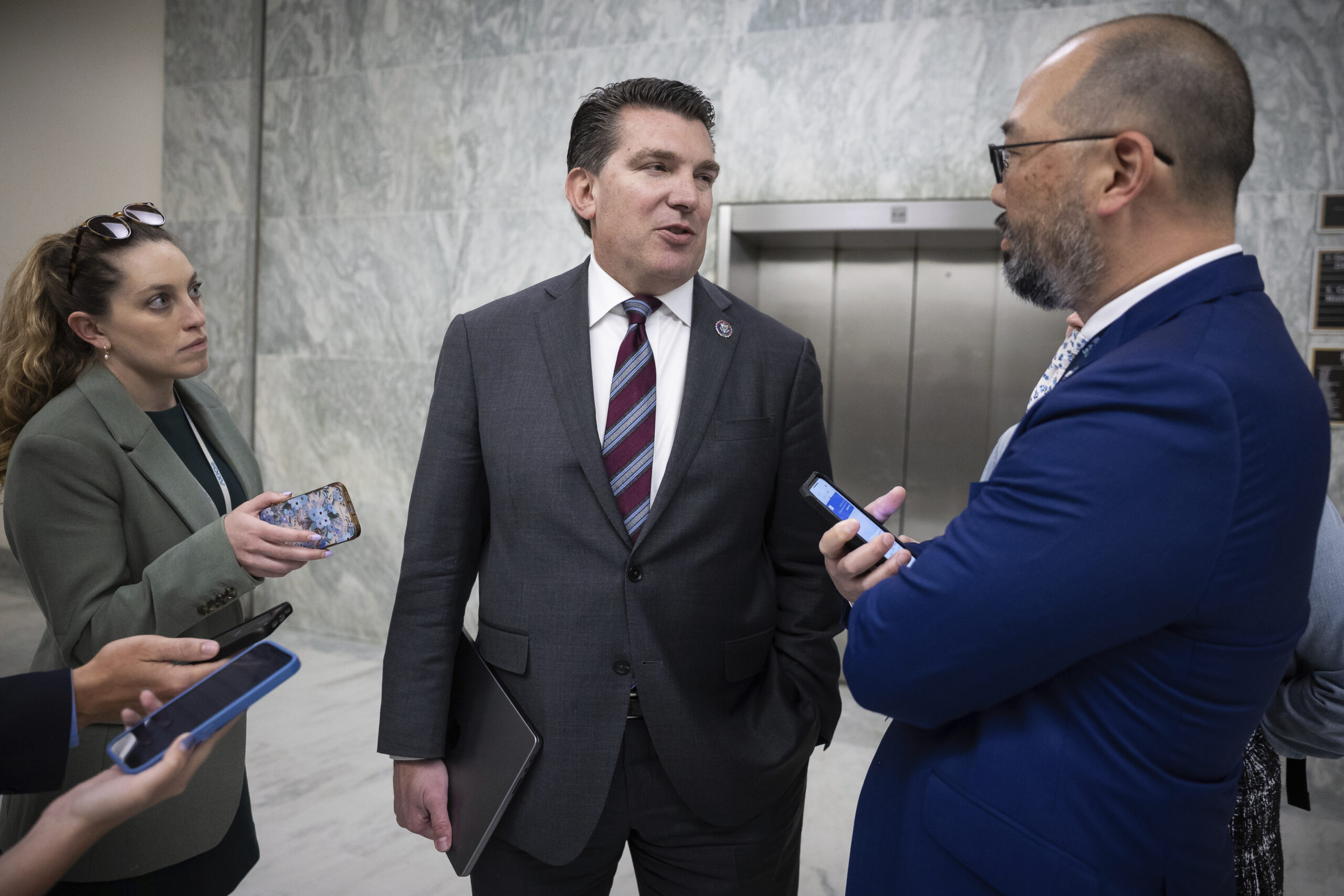
Representative Jay Obernolte, a member of the Republican Party, is advocating for a compromise on artificial intelligence (AI) regulation that many in the tech industry view as crucial for blocking potentially conflicting state laws. His approach, which emphasizes collaboration between lawmakers and tech leaders, could set the stage for a unified federal policy on AI.
The urgency of Obernolte’s proposal is underscored by growing concerns among technology companies regarding the patchwork of state regulations that threaten to emerge. States like California and New York are already moving forward with their own AI legislation, creating a fragmented legal environment that complicates compliance for businesses operating across state lines.
Potential Support and Challenges Ahead
Obernolte’s plan has garnered attention due to its potential to harmonize AI regulations at the federal level. Yet, a significant question remains: do Republican leaders support this initiative? Some party members express skepticism about the need for federal intervention, preferring to allow states to regulate AI independently.
This divide within the party could hinder Obernolte’s efforts. If he cannot secure backing from influential GOP leaders, his proposal may struggle to gain traction in Congress. The stakes are high, as failing to act could result in a chaotic regulatory landscape that stifles innovation in the tech sector.
The tech industry is watching closely. Companies are increasingly concerned about how divergent state laws could impact their operations. A cohesive federal framework could not only streamline compliance but also foster innovation by providing a clear set of guidelines for the development and deployment of AI technologies.
Looking Ahead to 2024
As the 2024 elections approach, the future of AI regulation will likely be a significant topic of discussion. Obernolte’s position as a moderate voice within the GOP may offer a path forward, especially as public interest in AI grows. The ongoing dialogues among lawmakers, tech leaders, and stakeholders will be essential in shaping the regulatory landscape.
Obernolte’s efforts represent a balancing act between the need for regulation and the desire to protect technological advancement. If successful, his approach could serve as a model for bipartisan collaboration on complex issues, paving the way for effective governance in the rapidly evolving tech sector.
In conclusion, while Jay Obernolte champions a compromise on AI regulation, the support of GOP leadership will be critical in determining the outcome of this initiative. The tech industry’s hopes rest on the ability of lawmakers to navigate their internal divisions and create a coherent regulatory environment that promotes innovation while ensuring safety and accountability.