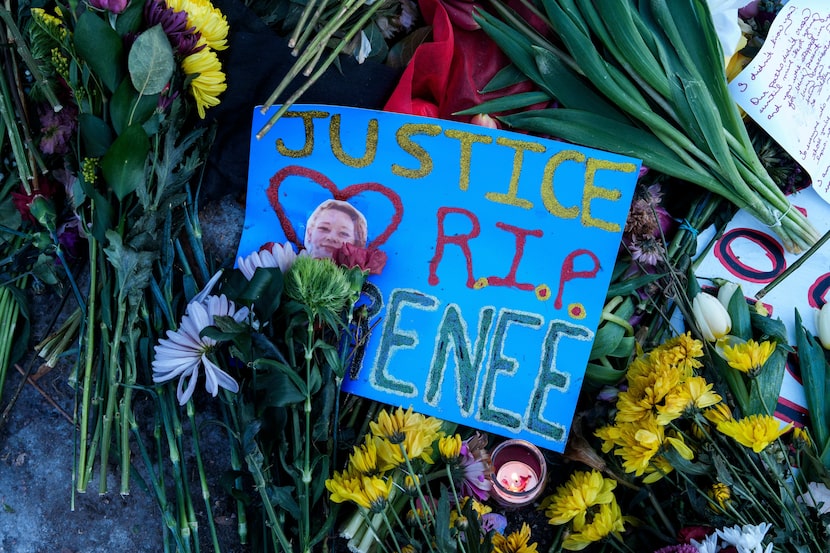
The fatal shooting of Renee Good, a 37-year-old mother of three, by an Immigration and Customs Enforcement (ICE) officer in Minneapolis has ignited a heated debate over the justification of the incident. Good’s death occurred during a confrontation with federal agents, leading to polarized opinions about law enforcement’s actions in the case.
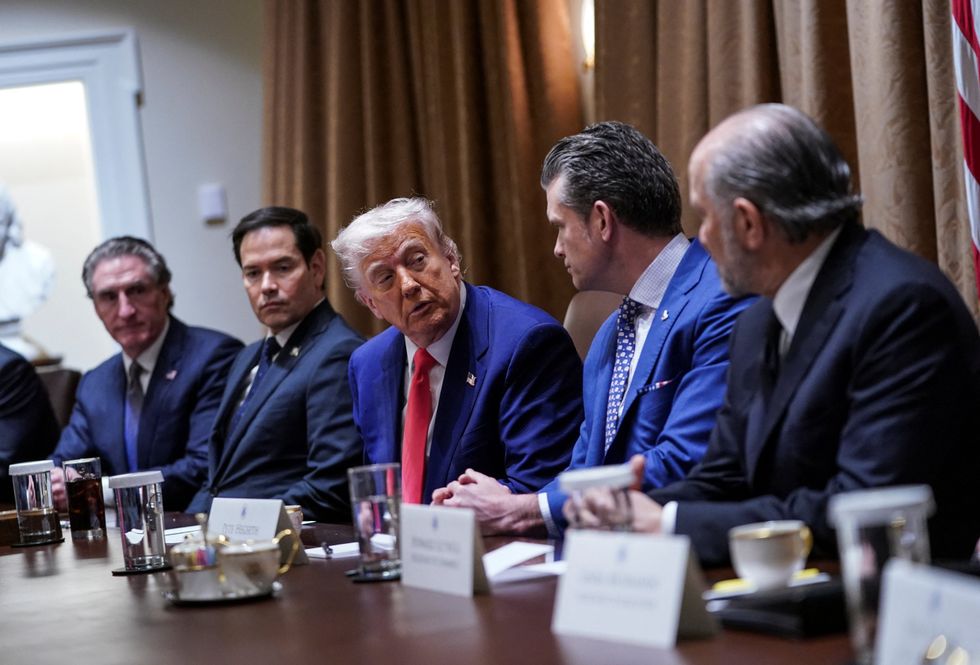
According to U.S. Homeland Security Secretary Kristi Noem, Good allegedly “weaponized her vehicle” and attempted to run over an ICE officer. In contrast, President Donald Trump claimed on social media that Good “violently, willfully, and viciously ran over the ICE officer,” despite video evidence showing the officer walking after the incident. The shooting prompted various responses from the public, with some praising the officer’s actions while others condemned the circumstances surrounding the event.
Public Outrage and Political Reactions
The incident has led to a wave of letters to the editor in local publications, expressing concerns about the actions of ICE agents. One writer, Diane Ramsey from Mesquite, criticized the lack of response from elected officials, questioning why they do not speak out against such violence. The fear surrounding law enforcement’s tactics has resonated with many community members, particularly those who attended the No Kings Rally, where concerns over safety were prevalent.
In a contrasting viewpoint, Neal Okerblom from North Dallas defended the shooting, arguing that the ICE officer acted in self-defense. He claimed that Good was about to be arrested and had been ordered to exit her vehicle before she moved forward, posing a threat to the officer. Okerblom emphasized the dangers faced by law enforcement daily and asserted that while protest is a right, it should not impede legitimate enforcement actions.
Conflicting Narratives and Media Coverage
The media’s portrayal of the incident has drawn criticism from various angles. Some writers, like Bill Underhill from Dallas/Lake Highlands, accused local media outlets of bias, arguing that they misrepresented the situation. Underhill maintained that Good’s actions were intended to obstruct ICE operations, and he questioned the relevance of the narrative depicting her as an innocent victim.
Conversely, others highlighted systemic issues within ICE’s operational tactics. Thomas Urech from Richardson pointed out that agents have a history of placing themselves in front of moving vehicles to justify the use of lethal force. Urech argued that the agency’s methods contribute to a culture of violence and that political leaders who do not oppose ICE’s operations share responsibility for the tragic outcomes.
The incident remains a focal point for discussions regarding immigration enforcement and law enforcement accountability. Advocates for justice continue to call for a reevaluation of ICE’s practices, emphasizing the need for oversight and potential reform within the agency.
As the debate unfolds, the differing perspectives on the shooting of Renee Good reflect broader societal tensions surrounding immigration policy, law enforcement, and community safety. The public’s response underscores the complexity of these issues and the urgent need for dialogue and understanding in the face of tragedy.