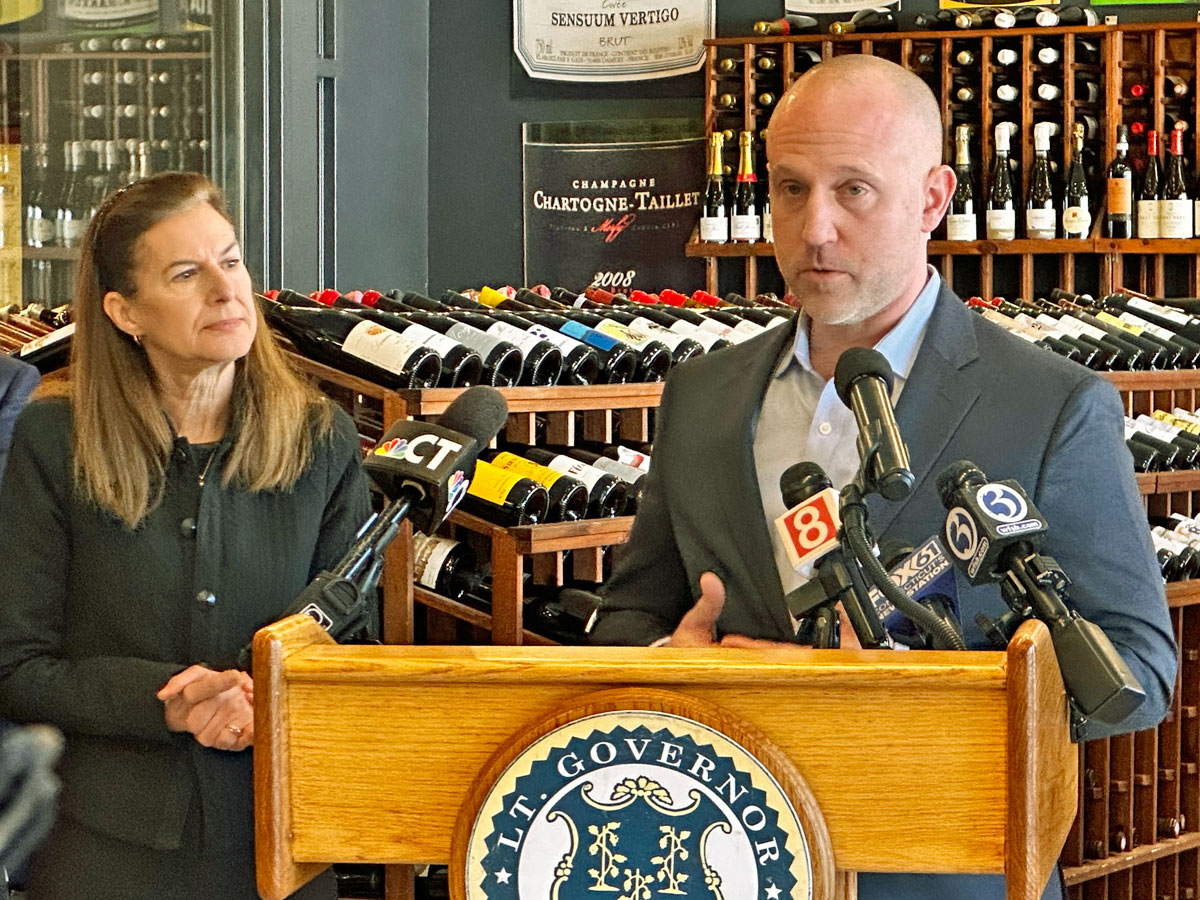
As of January 1, 2023, Connecticut has implemented a new training requirement for individuals seeking to sell alcohol. The Connecticut Department of Consumer Protection now mandates that all new on-premises and off-premises liquor permit applicants complete a state-developed Liquor Law Education Program. Officials emphasize that this initiative aims to reduce impaired driving, prevent illegal alcohol sales, and clarify the legal responsibilities of liquor permit holders.
Details of the Training Program
This requirement applies not only to permit holders—those legally responsible for the permit—but also to owners of backer entities associated with an application. The training is offered at no cost and is available statewide, though it is mandatory only for new applicants. Existing businesses or individuals holding active final or provisional permits as of January 1, 2026, are exempt from this requirement for renewal. However, current permit holders can voluntarily complete the course.
Jacob Studenroth, owner of Wise Old Dog Liquor Store in West Hartford, noted that the training fills a crucial gap for small businesses that often rely on expensive third-party programs, such as TIPS, for training. He highlighted that the average cost of such programs can be around $50 per employee, making the state-provided training a significant benefit.
Bryan Cafferelli, commissioner of consumer protection, stressed that the course reflects the legal implications of holding a liquor permit and is designed to provide a foundational understanding of the associated responsibilities. “This is a great example of how government works best when it works together,” Cafferelli stated.
Addressing Public Safety Concerns
The initiative comes in response to ongoing public safety challenges. In 2024, the Department of Consumer Protection conducted 255 underage alcohol compliance checks and found that approximately 31% of businesses sold alcohol to minors during these enforcement stings. Garrett Eucalitto, commissioner of transportation, explained that the training targets one of the final decision points before alcohol-related harm occurs.
According to Eucalitto, about 40% of traffic fatalities in Connecticut each year involve impaired drivers, significantly higher than the national average of 30%. While preliminary data indicates a 12% decrease in traffic fatalities in 2025, officials remain concerned about persistent risks, including impaired driving and rising pedestrian and bicycle deaths.
In addressing these issues, Eucalitto noted the installation of approximately 200 wrong-way detection systems on Connecticut highways as part of broader safety measures. The system has recorded over 700 activations statewide, with drivers correcting their course about 82% of the time. From 2019 to 2023, state data revealed that 80% of wrong-way crashes resulted in the driver’s death, highlighting the urgent need for improved impaired-driving prevention, particularly following a tragic wrong-way crash in 2023 that claimed the life of state Rep. Quentin Williams.
Colleen Harrington, deputy commissioner of the Department of Mental Health and Addiction Services, emphasized that alcohol safety is a vital part of their mission focused on prevention, recovery, and well-being. Despite a decline in youth alcohol use, Harrington noted that alcohol remains a significant public health concern, with alcohol-related incidents having far-reaching consequences for families and communities.
The video-based training covers essential topics, including preventing sales to minors, recognizing and avoiding overservice, regulations on alcohol promotions, and the mechanics of liquor permitting. Completion of the training generates a certificate that permit applicants must upload with their application packet, ensuring compliance with the new regulations.