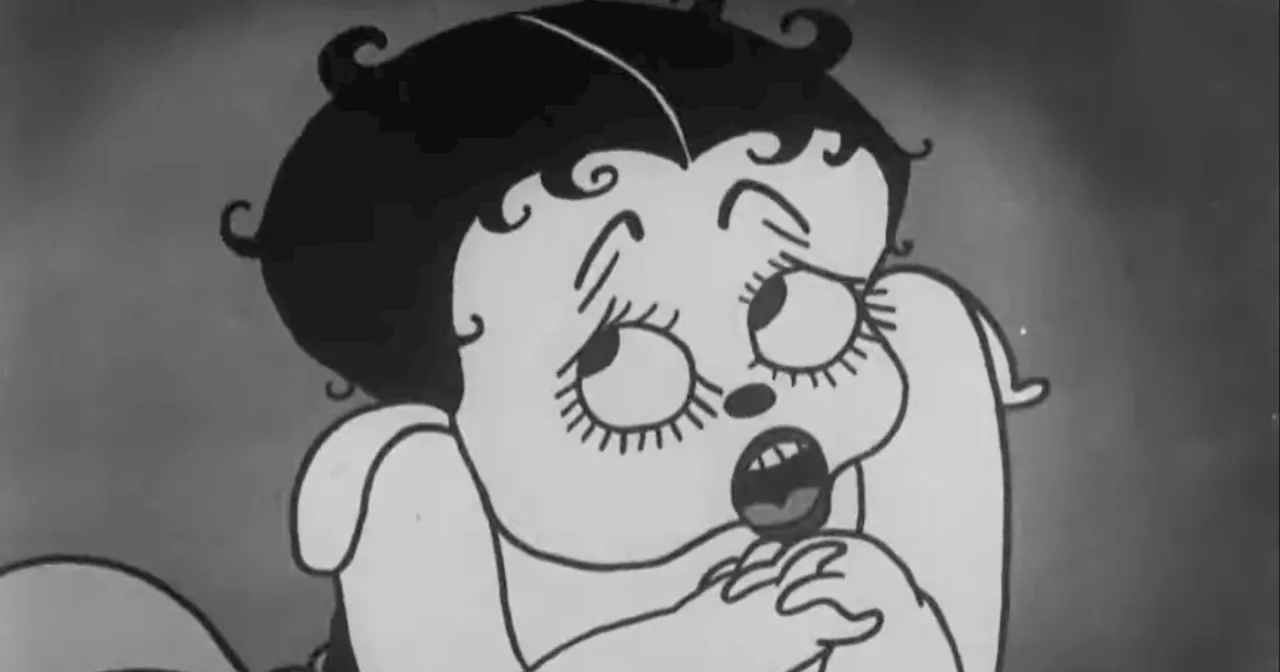
A significant shift in copyright law is set to unfold on January 1, 2026, when thousands of creative works from the year 1930 will enter the public domain in the United States. This development means that films, books, musical compositions, and more will become free to use, share, and adapt after nearly a century of copyright protection. The upcoming release includes iconic characters such as the original Betty Boop and the first version of Disney’s Pluto, who was originally known as Rover.
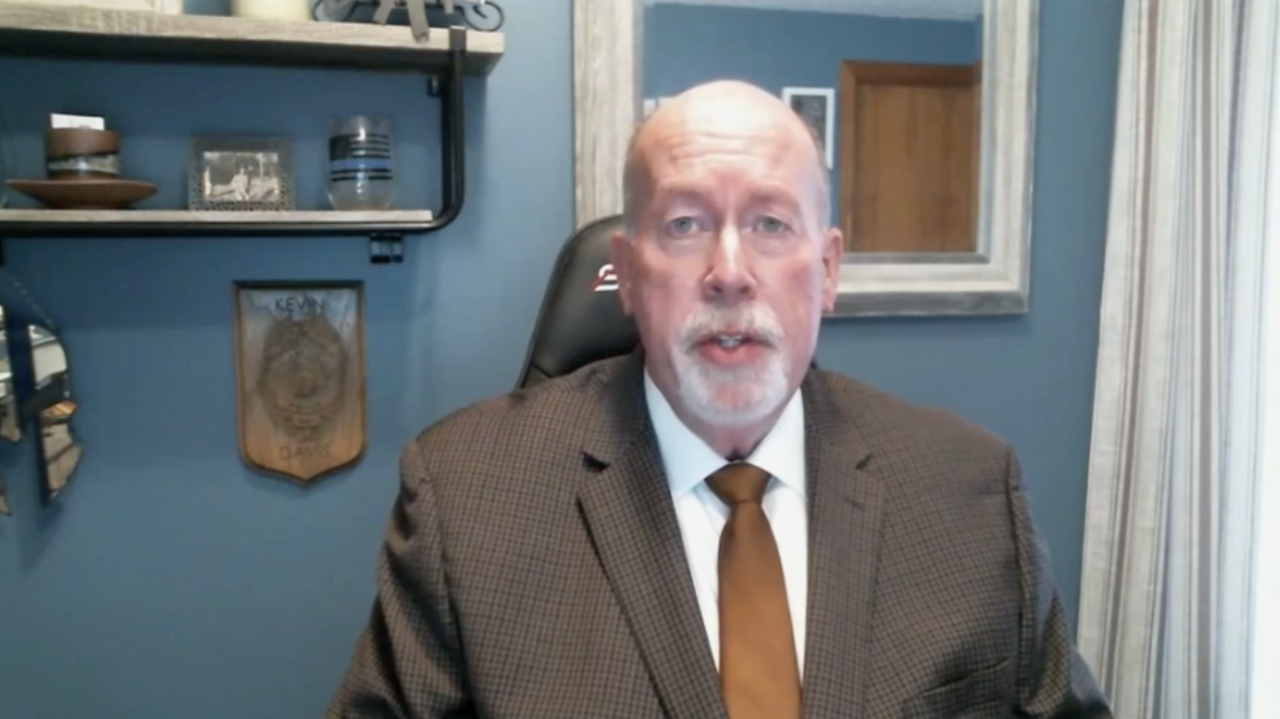
Jennifer Jenkins, the director of the Duke University Law School’s Center for the Study of the Public Domain, expressed her enthusiasm about this year’s entries. “I think this is my favorite crop of works yet,” she shared, noting the opportunity to explore the rich history of animation studios like Fleischer and Disney. Jenkins and her team spent over 80 hours compiling a list of works, which she described as a rewarding yet physically taxing endeavor.
The selections span various genres, including war stories, musicals, thrillers, Westerns, and comedies, from renowned directors such as Alfred Hitchcock, Howard Hughes, and Salvador Dalí. Musical compositions entering the public domain include classics like “Georgia on My Mind” and songs by the Gershwin brothers, such as “I Got Rhythm” and “Embraceable You.” In addition, notable artworks like Piet Mondrian’s “Composition with Red, Blue and Yellow” will also be available for public use.
Jenkins highlighted the cultural significance of these works, explaining that public domain status nurtures creativity and accessibility. “What’s really fun is that people are excited about it — people well beyond our world of copyright lawyers,” she said. This excitement reflects a deeper appreciation for the creative history behind these works, especially as they resonate with contemporary audiences.
The implications of works entering the public domain extend beyond creative endeavors. Jenkins pointed out that many creations from the 1930s have been unavailable for decades due to ownership complexities and copyright restrictions. “When they go into the public domain, you don’t have to worry about that,” she explained. This change allows for the digitization of old films and sound recordings, facilitating preservation and broader distribution.
For educators, this availability presents an invaluable resource. Jenkins noted that teachers can utilize these works freely, especially as school budgets tighten. The ability to access a variety of materials enriches both classroom learning and personal exploration.
As society navigates the complexities of artificial intelligence and creativity, Jenkins emphasized the importance of human authorship for copyright. “Human authorship is a requisite for copyright,” she stated, clarifying that works generated by machines will not be afforded the same protections.
The upcoming public domain entries represent a remarkable opportunity to revisit and reinterpret beloved works, offering fresh perspectives for artists and audiences alike. With a treasure trove of classics becoming accessible, the year 2026 promises to be a landmark moment in the evolution of creative expression.