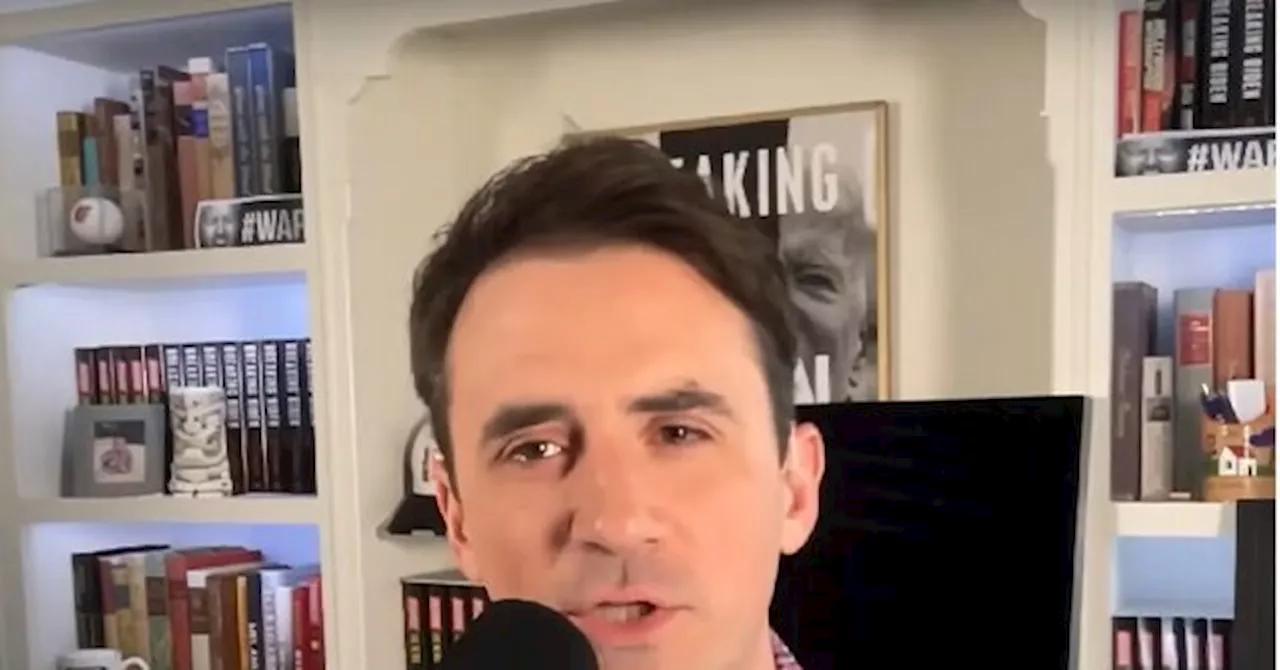
During a recent interview with C-SPAN on “The Alex Marlow Show,” Alex Marlow, Editor-in-Chief of Breitbart News, made significant allegations regarding the Biden administration’s handling of legal cases against former President Donald Trump. Marlow asserted that there was political motivation behind the actions of the Department of Justice (DOJ), claiming that all six major cases against Trump involved coordination from the White House.
Marlow’s comments have drawn attention to the contentious relationship between Trump and the current administration. He stated, “All six of the major cases against President Trump had White House coordination… the DOJ under Joe Biden was political.” This assertion raises questions about the independence of the DOJ and the impact of political influence on judicial matters.
The interview highlighted Marlow’s belief that mainstream media has largely ignored such claims, suggesting a bias in coverage. He emphasized that the allegations warrant more scrutiny and public discussion. The implications of his statements extend beyond just media coverage, as they touch on broader issues of accountability and the potential politicization of law enforcement agencies.
In addition to Marlow’s interview, the conversation around political coordination and its ramifications continues to evolve. The topic resonates particularly in light of ongoing investigations and legal proceedings involving Trump, who has frequently contended that these efforts are politically motivated.
This discussion is not isolated; it aligns with various other political controversies currently unfolding in the United States. For instance, House Majority Whip Tom Emmer has recently pressed Minnesota Governor Tim Walz for answers regarding a significant welfare fraud case, which has also garnered media attention.
The allegations made by Marlow reflect a broader narrative regarding perceived bias and manipulation in political and judicial processes. As these discussions unfold, they may shape public perception and influence future political dynamics, especially as the nation heads further into the election cycle.
Marlow’s claims, along with other similar narratives circulating in conservative media, underscore the ongoing divisions within American political discourse. The role of the media, the government, and the judicial system remains a critical area of examination as the implications of these allegations reverberate through public consciousness.
As the situation develops, stakeholders across the political spectrum are likely to engage more deeply with these issues, seeking clarity and accountability in the actions of both the government and the media.