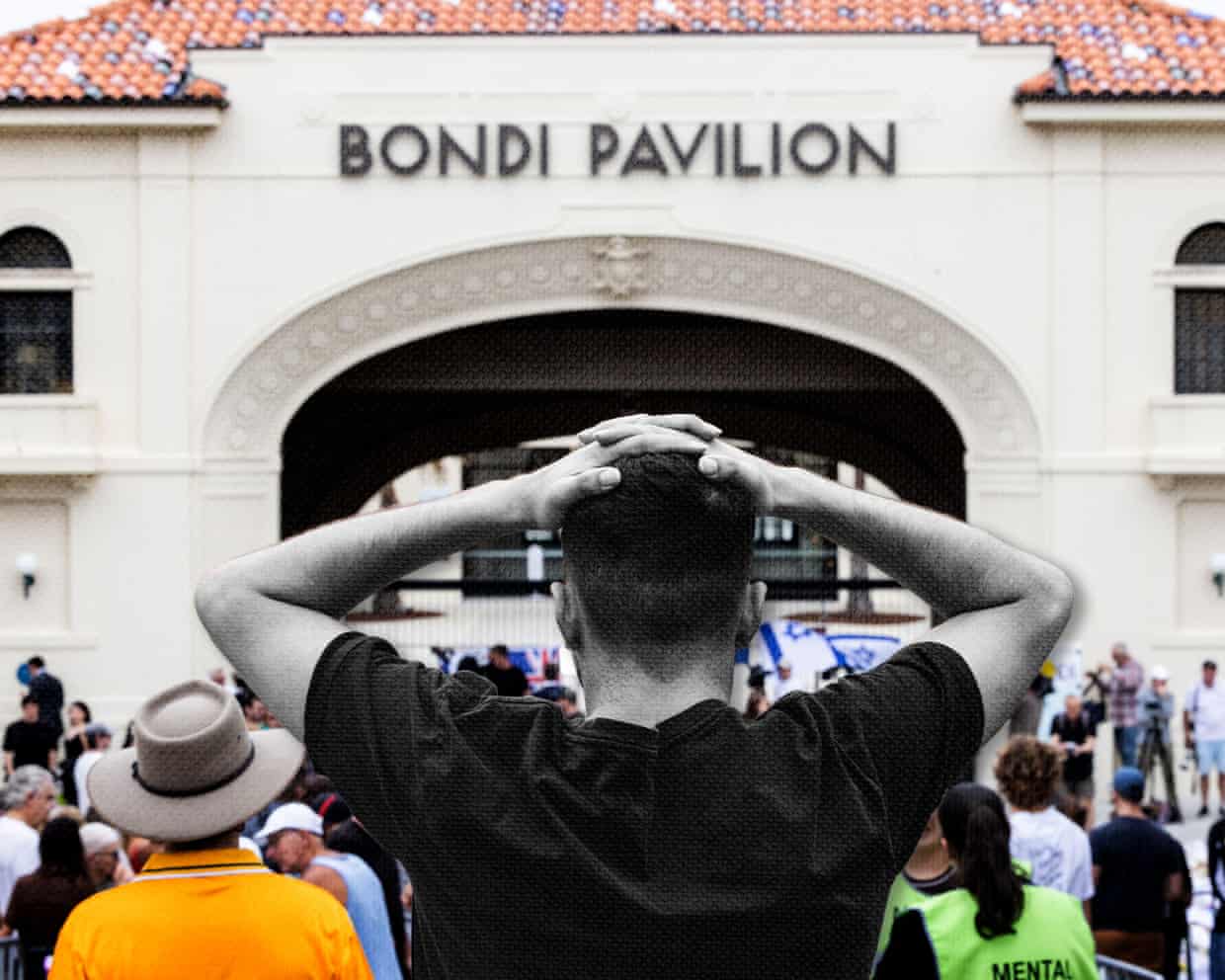
A recent attack in Bondi, Australia, has left the nation in shock and mourning. The incident, described as an “unutterably cruel event,” has not only claimed lives but also created a rift among communities, prompting urgent discussions about unity and safety in the face of violence.
The attack has deeply impacted two groups within Australia. Young Jewish Australians are grappling with questions of hatred directed towards them, while young Muslims are left to ponder their place in society amidst such violence. This duality of fear and sorrow resonates throughout the country. The alleged attackers, who reportedly spent time in a Campsie bed-and-breakfast, appeared to have anticipated a reaction from the public, showcasing a troubling aspect of the event.
In a moment of bravery, a Muslim man named Ahmed al Ahmed confronted one of the gunmen and successfully disarmed him, highlighting the potential for solidarity in the face of terror. This act of courage stands out as a glimmer of hope amidst the tragedy.
The attack has also reignited discussions regarding the adequacy of political responses to such violence. Many believe that democratic systems struggle to address the complexities of terrorism. Questions arise about how the father of one of the alleged shooters legally possessed multiple firearms, raising concerns about gun control and preventive measures.
Political leaders, including Israeli Prime Minister Benjamin Netanyahu, have drawn attention to broader geopolitical issues, such as the viability of a two-state solution in the Israeli-Palestinian conflict. However, this linkage to the Bondi attack is debated, with some arguing that the motivations behind the violence are more immediate and local.
The attack serves as a reminder that terror can reach anyone, regardless of background. The loss of lives, including that of a former police officer named Meagher, underscores the universal vulnerability to violence. It is crucial for communities to come together rather than allow divisions to deepen.
In the aftermath, there are fears that some political factions may exploit the tragedy to position themselves as protectors of the Jewish community. This would represent a troubling form of opportunism, as the broader goal should be a society where citizens feel safe without an overwhelming police presence at public events.
Ultimately, the Bondi incident demonstrates that terrorism is designed to incite fear and division. It challenges societal norms and compels communities to question the balance between security and civil liberties. As Australia reflects on this tragedy, the hope remains for a united response that prioritizes understanding and peace among all groups.
For those affected by this incident or seeking support, mental health resources are available. In Australia, individuals can reach out to Beyond Blue at 1300 22 4636, Lifeline at 13 11 14, or Griefline at 1300 845 745. In the UK, Mind can be contacted at 0300 123 3393, with additional resources found at befrienders.org for international helplines.