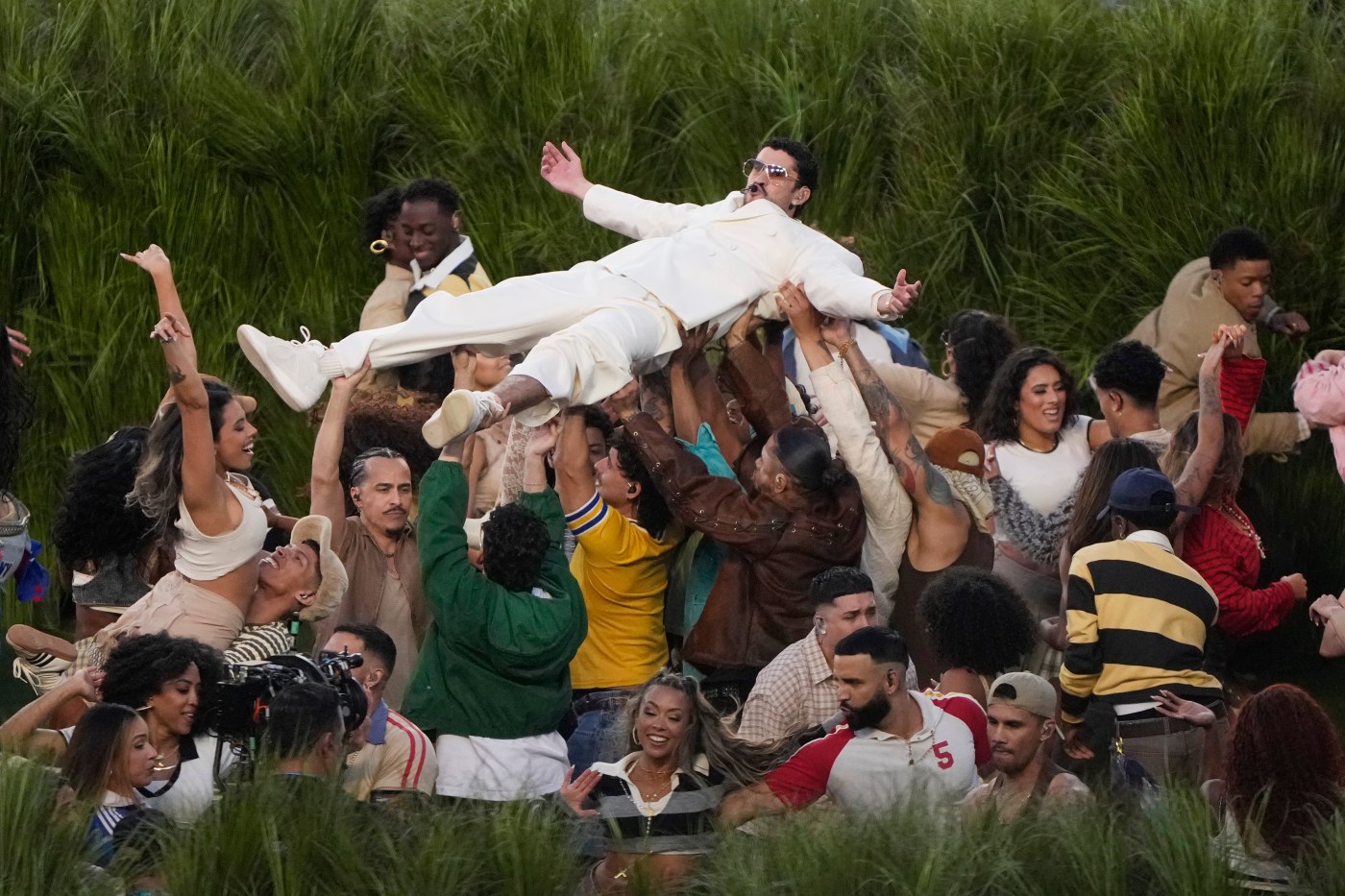
The Super Bowl halftime show featuring Bad Bunny has ignited a wave of contrasting opinions across the United States. The performance, which took place on January 30, 2024, was hailed by some as a symbol of unity and cultural pride, while others criticized it for its explicit content. Bad Bunny, born Benito Antonio Martinez Ocasio, delivered a message of love and togetherness, showcasing the story of Puerto Rico to a global audience.
During the performance, large letters behind him proclaimed, “The only thing more powerful than hate is love.” He held a football inscribed with the phrase, “Together we are America,” which resonated with many viewers who appreciated his representation of diverse cultures. In contrast, Kid Rock’s performance during a different halftime show drew backlash due to his controversial past and lyrics that some found inappropriate.
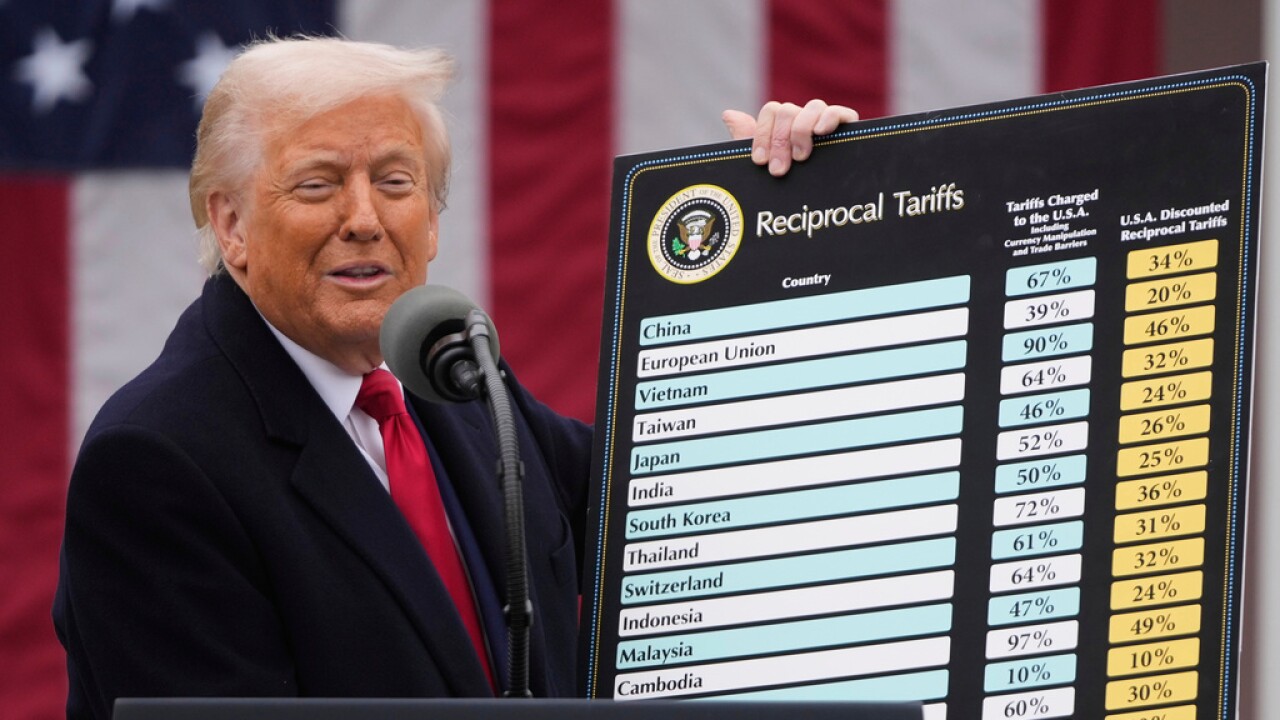
The response from public figures was equally divided. Former President Donald Trump labeled Bad Bunny’s show as “disgusting,” asserting that the lyrics were indecipherable to most viewers. Meanwhile, Republican Representative Randy Fine went so far as to call for Bad Bunny’s deportation, despite the artist being a U.S. citizen. These reactions highlighted the polarized atmosphere surrounding cultural expression in contemporary America.
Criticism and Accessibility Issues
Some critics expressed concern over the content of Bad Bunny’s performance, arguing that it was not suitable for the family-oriented Super Bowl audience. A viewer from Suffern, New York, described the lyrics as “purely pornographic,” suggesting that an English simulcast would have been appropriate given the large audience of children. This sentiment reflects a broader debate about the suitability of musical content in major televised events.
Additionally, accessibility for deaf and hard-of-hearing audiences was called into question. A viewer from Delhi, New York, pointed out that American Sign Language (ASL) interpreters were introduced before the national anthems but were not visible during the performances. This oversight, along with a lack of captioning in many commercials, left many in the deaf community feeling overlooked during an event that traditionally celebrates inclusivity.
Broader Context of Cultural Representation
The contrasting performances during the Super Bowl serve as a microcosm of the current cultural landscape in the United States. The divide between Bad Bunny’s message of love and community and Kid Rock’s more controversial approach illustrates the varying values held by different segments of the population. This dichotomy extends beyond music and entertainment, reflecting deeper societal issues regarding race, identity, and the interpretation of American culture.
In health news, nurses at Mount Sinai and Montefiore hospitals have returned to work after a month of picketing, advocating for better staffing conditions and protection against workplace violence. The ongoing negotiations highlight the critical need for adequate staffing to ensure patient safety and care.
As discussions around cultural representation and accessibility continue, voices across the country remain divided. The Super Bowl halftime show not only entertained millions but also sparked significant conversations about identity, representation, and the future of American cultural events.