Artificial intelligence is set to revolutionize how the public engages with U.S. Supreme Court decisions. A new project, led by Northwestern University professor Jerry Goldman, is using AI technology to create avatars of justices, allowing their words and actions during decision announcements to be experienced in a more immersive way. This initiative, known as On The Docket, aims to bridge the gap between the courtroom and the public, a gap that has historically limited access to court proceedings.
Goldman’s commitment to making the Supreme Court more accessible dates back to 1996 with the launch of his nonprofit project, Oyez. This platform began providing audio recordings of oral arguments and opinion announcements for cases decided since 1955. Before Oyez, the public was largely unaware that the court had been recording sessions at all, leading to the loss of many valuable recordings due to inadequate preservation efforts. Moreover, access to audio recordings was restricted, often delayed until the next court term, leaving the public in the dark about significant rulings.
The landscape shifted dramatically during the COVID-19 pandemic when the Supreme Court allowed live broadcasts of oral arguments for the first time. This marked a significant change, as the justices had previously resisted regular audio broadcasts. Following the pandemic, the system remained in place, but announcements of decisions continued to be available only to those present in the courtroom. This restriction has prompted calls from both reporters and legal scholars for live broadcasts of decision announcements, which have gone unanswered.
Goldman and his team are now tackling the challenge of providing a visual component to these announcements. By using AI technology, they have created lifelike avatars that mimic the justices’ appearances and mannerisms. Timothy R. Johnson, a professor at the University of Minnesota and a key contributor to the project, described the initial attempts at creating these avatars as a learning process filled with amusing missteps. They faced challenges such as having avatars behave in unrealistic ways, like disappearing from the screen or moving in unison.
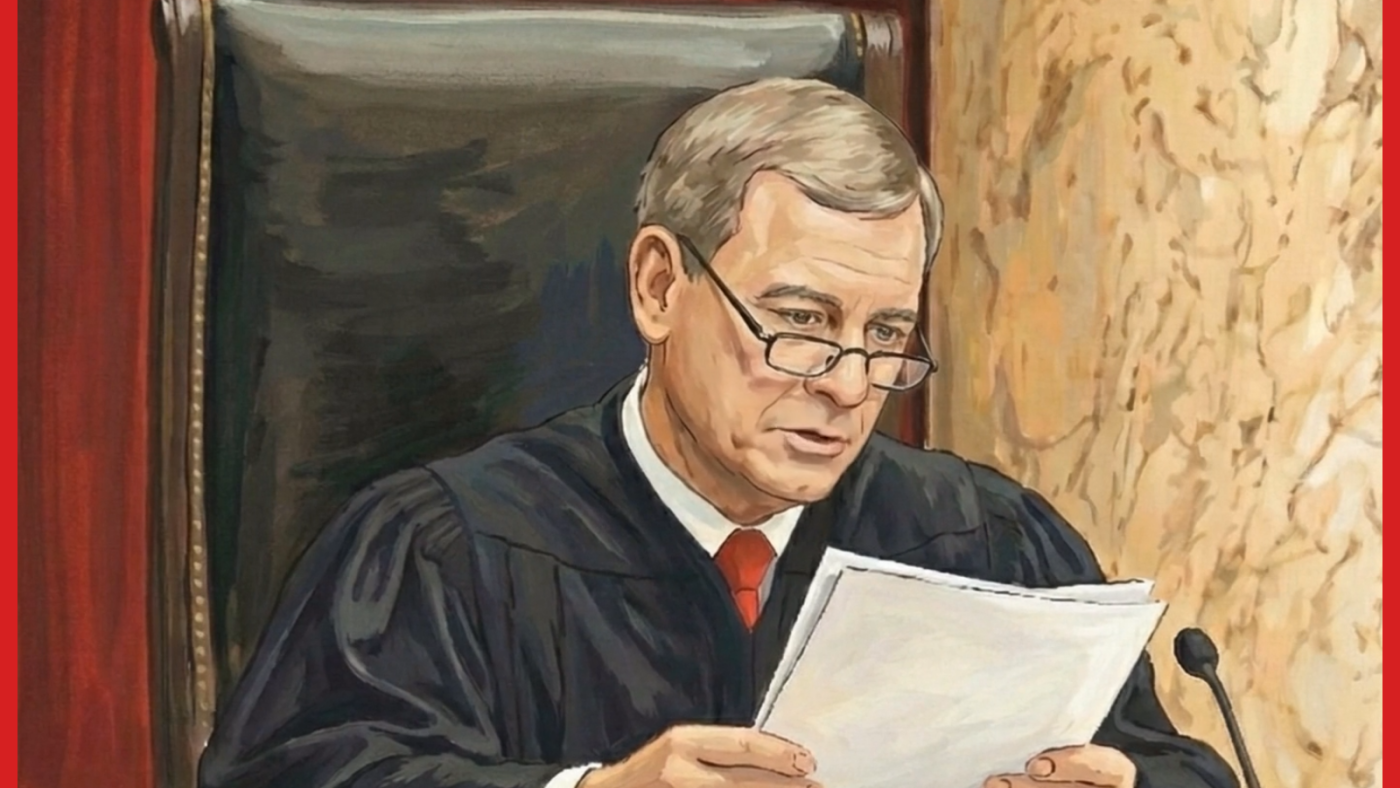
Ultimately, the team managed to craft realistic representations of the justices using publicly available photos and videos. These avatars are then synchronized with real audio recordings from the court’s announcements. To address ethical concerns about the authenticity of the visuals, the team decided to give the videos a slightly cartoonish appearance and to clearly label them as AI generated. This ensures viewers can distinguish between the actual audio and the visual representation.
In a notable example of this new technology, they have produced a visual representation of Chief Justice John Roberts‘ 14-minute summary of the court’s 6-to-3 decision regarding the immunity of former presidents from prosecution for actions taken while in office. Following Roberts, Justice Sonia Sotomayor presents her dissent. The result is a compelling blend of spoken word and visual representation that adds a new dimension to the court’s decisions.
The evolution of accessibility to Supreme Court proceedings has been a long journey. In 1993, law professor Peter Irons faced legal action from the court after he published audio recordings of oral arguments, which he argued were intended to be shared publicly. Although the court dropped the case, it highlighted a tension between transparency and tradition that persists today. Despite advancements in broadcasting oral arguments, the Supreme Court has maintained a veil over decision announcements, leaving many vital discussions underrepresented in public discourse.
Professor Goldman notes that historical documents from as early as the 1950s reveal that justices intended to memorialize their discussions and decisions, without any indication that they wished to keep these proceedings secret. The ongoing lack of response to requests for live broadcasts of opinion announcements underscores a broader issue of transparency within the highest court in the United States.
As AI continues to transform how information is presented, initiatives like On The Docket may pave the way for greater public engagement with the Supreme Court. While the court may be hesitant to embrace these digital innovations, the potential for enhanced accessibility and understanding of judicial proceedings is undeniable.