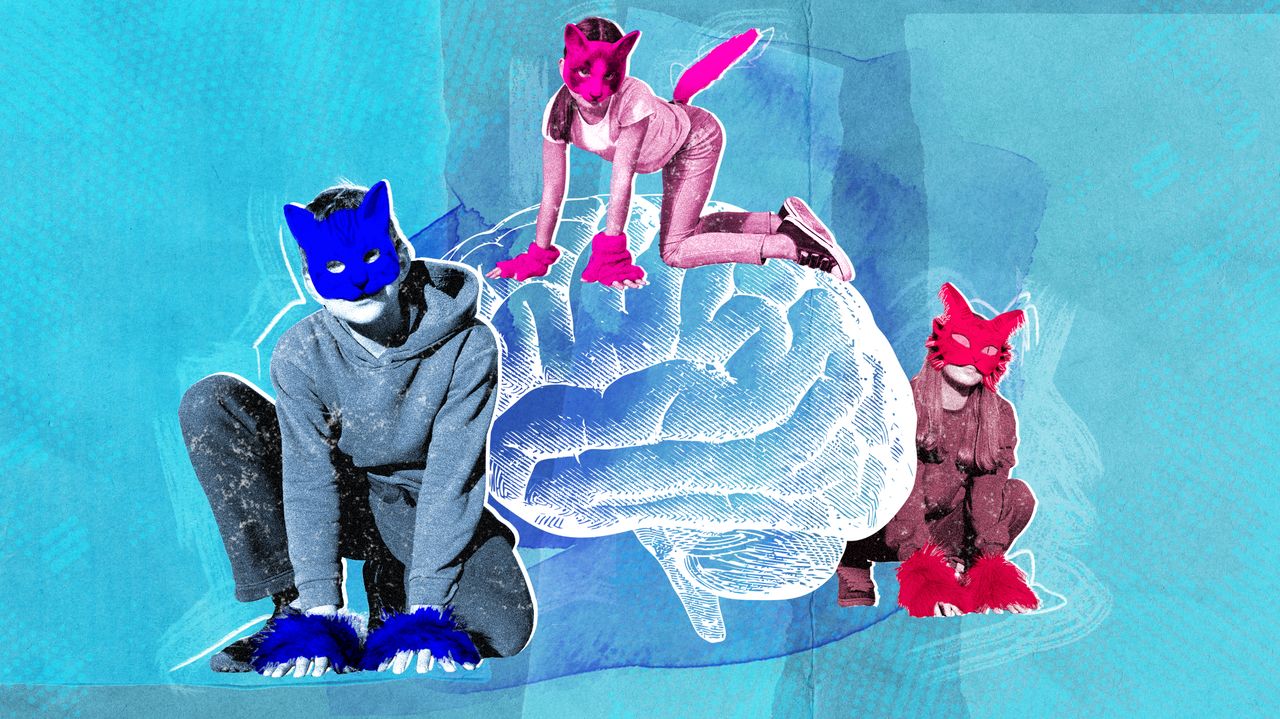
The therian movement, comprised of individuals who identify as nonhuman animals, has gained prominence in various online communities, particularly in Uruguay and Argentina. Therians often express their identities through behaviors and characteristics associated with animals, which they claim to embody on a profound, personal level. The rise of social media platforms like TikTok, Instagram, and YouTube has contributed to greater visibility of this movement, which has also attracted criticism and backlash.
Understanding the Therian Identity
According to the Therian Guide, a therian is someone who identifies as a nonhuman animal in a deeply integral way. Some individuals within this community may adopt animal-like behaviors or characteristics, while others may identify with creatures that do not exist on Earth. The term “therian” is derived from the Greek word “therianthrope,” meaning half-human, half-animal. Although the concept began circulating in the 1990s on online forums, its growth has accelerated dramatically with the emergence of social media.
Analysts like Adrián Juste from the Al Descubierto think tank in Spain note that social media algorithms can amplify interest in niche communities, sometimes leading to sensationalized news stories. Juste stated that the therian phenomenon exemplifies how social media can blend political interests with public curiosity, resulting in both fascination and misunderstanding.
Social Backlash and Misconceptions
As the therian community has gained visibility, it has also faced significant backlash. Some critics have likened the opposition to therians to attacks on LGBTQ+ individuals, suggesting that such responses reflect broader societal tensions regarding identity and self-expression. In the United States, this backlash has manifested in exaggerated claims, such as the false narrative that children in schools were using litter boxes, supposedly linked to therians.
The movement’s popularity primarily among adolescents and young adults raises questions about its social implications. Critics suggest that identifying as a therian may serve as a coping mechanism for feelings of alienation, low self-esteem, or a quest for community. Labeling this phenomenon as a “dangerous trend” could exacerbate feelings of isolation among those who already feel marginalized. Conversely, dismissing the experiences of therians may overlook the significance these identities hold for many young people.
According to Al Día, as long as the therian experience does not hinder an individual’s ability to form relationships, attend school, or maintain healthy routines, there is no justification for pathologizing it. The growing awareness of therians highlights the complexities of identity in modern society, where personal expression often intersects with societal norms and acceptance.
The therian movement illustrates a unique aspect of contemporary identity politics, revealing the ongoing struggle for acceptance and understanding in a rapidly changing world.