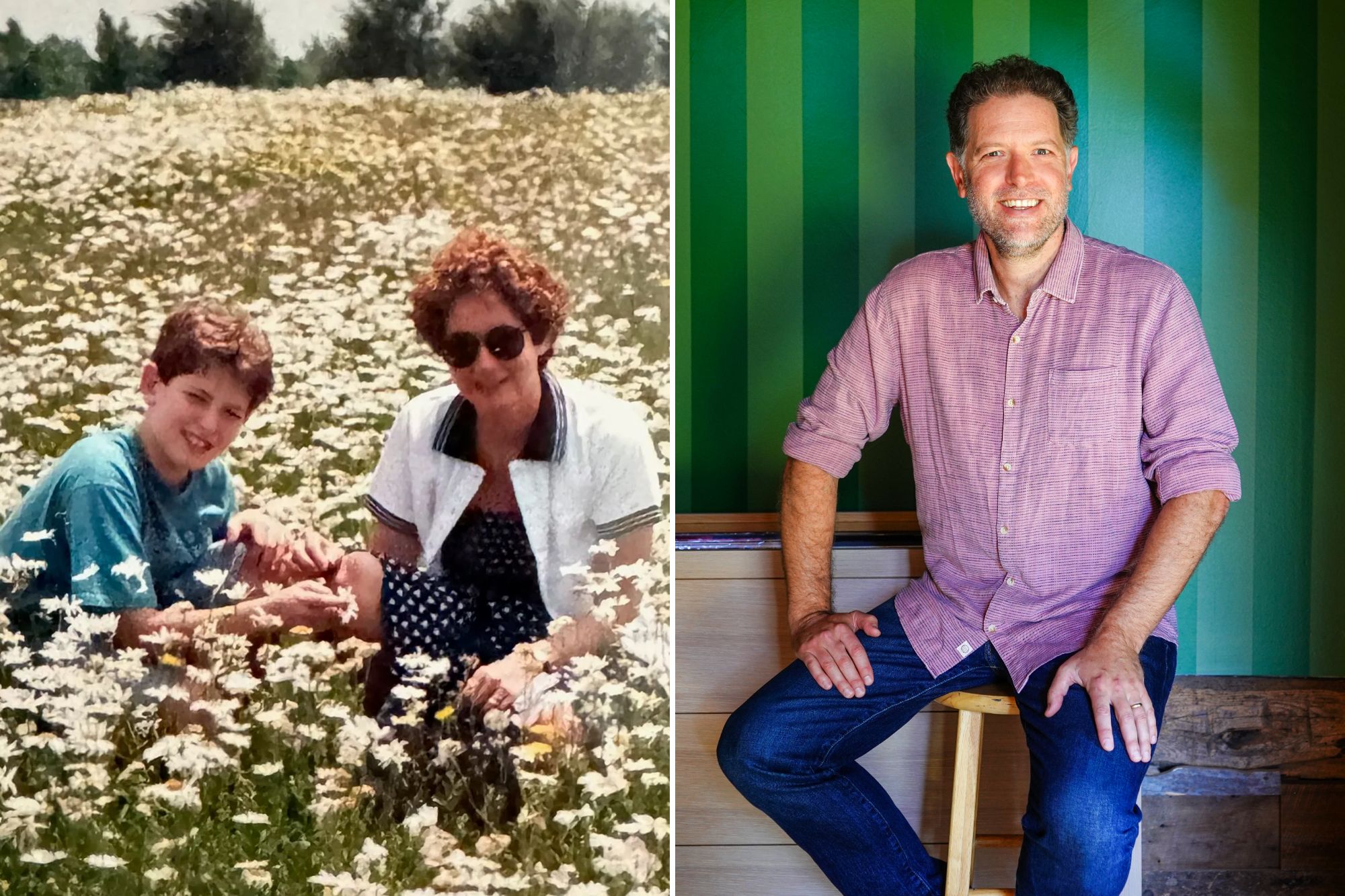
In a profound exploration of his childhood, Stefan Merrill Block recounts his unconventional homeschooling experience in Texas during the early 1990s. His memoir, titled Homeschooled, released on January 6, 2024, delves into the complexities of his education, shaped by his mother’s eccentric beliefs and unorthodox teaching methods.
Block, now 43 years old, vividly remembers his struggles in a traditional school setting in Plano, Texas. At just nine years old, he found himself disillusioned with the education system, feeling stifled and misunderstood. The turning point came when his mother introduced him to the concept of homeschooling, believing it would foster his creativity and protect him from what she perceived as a constraining environment.
Homeschooling: A Double-Edged Sword
The decision to homeschool came in 1990, shortly after Texas legalized the practice, largely driven by a growing fundamentalist Christian movement advocating for educational freedom. Block reflects on this era, highlighting the lack of regulation surrounding homeschooling. In Texas, parents could teach their children without a high school diploma or any oversight, raising concerns about the potential consequences for children in less than ideal situations.
Block’s mother adopted a teaching style that included a mix of academic pursuits and personal errands. While math lessons occurred at the dining table, much of his education was self-directed, with a focus on individual projects and outings that often included trips to TJ Maxx or afternoons spent tanning by the pool. Such experiences, while enriching in their own right, left Block with a sense of isolation. He had limited interaction with peers, participating in activities like Tae Kwon Do and Little League only with his father’s involvement, as his mother harbored concerns about his safety in those environments.
A Complicated Legacy
Block’s memoir serves as both a personal narrative and a broader commentary on the homeschooling movement. He argues that the lack of oversight can deprive children of their agency, creating a challenging dynamic where confronting a parent as a teacher risks losing not only the relationship but the entire social sphere. Despite these challenges, Block eventually found a path to academic success, becoming the editor of his high school newspaper and winning science fairs, although the journey was fraught with difficulties.
His relationship with his mother remained complex. After leaving home for college in St. Louis, he sought distance to establish his independence, yet her influence lingered. Block reflects on her unwavering belief in his potential, even as he embraced a lifestyle she would not approve of, such as gaining weight and experimenting with his appearance.
The passing of his mother in 2020 from lung cancer prompted a deep reevaluation of their relationship. Block acknowledges the duality of her love: it was both a nurturing force and a restrictive cage. In the end, he credits her affection with providing him the motivation to break free from his upbringing, allowing him to carve out his own identity.
In Homeschooled, Block invites readers into a world that challenges conventional educational norms. His story underscores the importance of understanding the personal and systemic complexities of homeschooling, offering a unique lens through which to view a growing educational trend in America.