Pop singer Sabrina Carpenter and the publisher of the beloved children’s character Franklin the Turtle have publicly condemned the Trump administration for using their music and imagery to promote its political agenda. The announcement highlights concerns over the appropriation of creative works without consent, raising questions about the intersection of art and politics.
The controversy emerged following reports that the Trump administration incorporated Carpenter’s songs and Franklin’s imagery in various promotional materials. The singer, known for her chart-topping hits, expressed her disapproval in a statement, emphasizing that her work should not be associated with any political agenda contrary to her values.
Response from the Publisher
The publisher of Franklin the Turtle also released a statement addressing the issue. They clarified that the character, cherished by children and parents alike, is intended to promote positivity and kindness. The use of Franklin’s image in a political context contradicts the character’s core values, they asserted. “We do not endorse any political campaign or ideology,” the publisher stated.
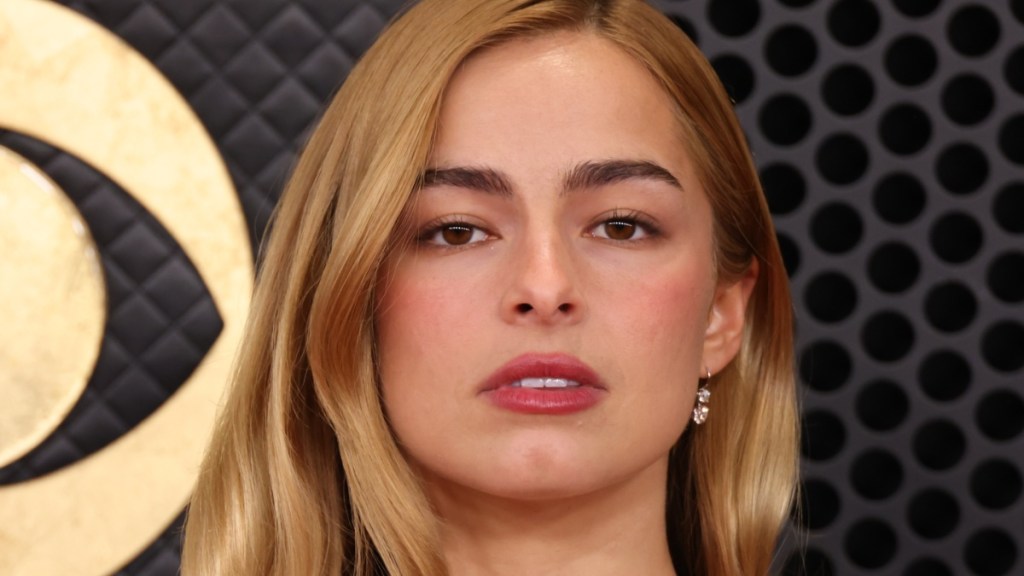
Sabrina Carpenter, who appeared at the 67th Annual Grammy Awards on February 2, 2023, in Los Angeles, took to social media to express her concerns further. The singer described the unauthorized use of her music as “deeply unsettling” and called for respect for artists’ rights. She highlighted the importance of artistic integrity, especially when it comes to representation in political discourse.
Artistic Integrity and Political Messaging
The incident has sparked a broader discussion about the use of artistic works in political messaging. Creators often find themselves at a crossroads when their art is used in ways that clash with their personal beliefs. This case serves as a reminder of the need for clear boundaries between creative expression and political exploitation.
As public figures, both Carpenter and the publisher of Franklin the Turtle are navigating complex dynamics in the entertainment industry. Their stand against the Trump administration’s actions resonates with many artists who seek to protect their work from misrepresentation.
The reaction from their supporters has been overwhelmingly positive, with many expressing solidarity on social media platforms. The incident has reignited conversations about the ethical responsibilities of political campaigns when utilizing cultural symbols and narratives.
As discussions about the relationship between politics and art continue, the stances taken by Carpenter and the publisher may influence future interactions between artists and political entities. It remains to be seen how such incidents will shape the landscape of artistic expression in politically charged environments.