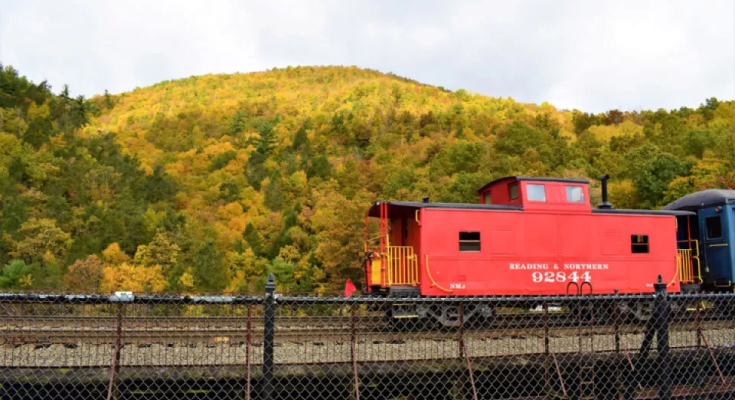
PENNSYLVANIA — The iron rails of Pennsylvania have shaped the state’s identity for nearly two centuries, serving as a crucial component of its economic development during the Industrial Age. Today, these railroads continue to play a vital role, supporting both freight transport and a thriving tourism sector. Visitors and residents alike find themselves drawn to the scenic beauty and historical significance of these railways, which offer a unique perspective of the state’s diverse landscapes.
Reviving History Through Scenic Journeys
Tourist railroads in Pennsylvania provide an immersive experience that showcases the state’s natural beauty. The Lehigh Gorge Scenic Railway allows passengers to traverse the stunning Lehigh Gorge State Park aboard vintage-style rail cars, offering breathtaking views of rugged terrain. Meanwhile, the Middletown & Hummelstown Railroad Company operates an 11-mile route connecting small-town depots, where riders can enjoy both local history and picturesque countryside.
In the Colebrookdale corridor, the Colebrookdale Railroad follows a historic route once traversed by Civil War soldiers, now celebrated for its wildlife sightings and serene wooded vistas. The Strasburg Rail Road in Lancaster County captivates visitors by blending rail history with dining excursions through Amish farmland, creating a memorable experience rooted in the region’s tradition.
Beyond the allure of scenic rides, Pennsylvania’s rail network has produced remarkable engineering achievements. The Johnstown Inclined Plane, recognized as one of the steepest passenger railways globally, remains operational, showcasing human ingenuity. In the northeast, iconic structures like the Starrucca Viaduct and the Tunkhannock Viaduct stand tall above river valleys, testaments to early twentieth-century ambition and craftsmanship.
Preserving Heritage and Education
As railroads evolve, some former rail infrastructures have been repurposed for tourism. The Kinzua Bridge State Park now features a skywalk that attracts visitors with panoramic views and serves as a reminder of nature’s force. For those interested in the historical context of these railways, numerous museums throughout Pennsylvania preserve the stories and legacies associated with the railroads.
The Railroaders Memorial Museum, located near the famous Horseshoe Curve, documents the lives and labor that fueled the rail boom in central Pennsylvania. The Annville Train Station & Heritage Center offers guided tours of a restored nineteenth-century depot, immersing visitors in the past. Additionally, the Derry Station Railroad Heritage Park allows exploration of preserved rail equipment and historic station grounds.
In Philadelphia, the SEPTA Transit Museum showcases a collection of trolleys, train models, and the evolution of urban transit, further enriching the narrative of Pennsylvania’s rail history. Collectively, these sites convey a story that transcends mere nostalgia.
Railroads were integral to building Pennsylvania’s towns and industries, and they remain essential for moving goods and connecting communities. As travelers seek new ways to experience the state, the railroads continue to offer journeys that evoke the past while looking towards the future. The legacy of steel and steam persists, carrying history forward with each train that rolls along the tracks.