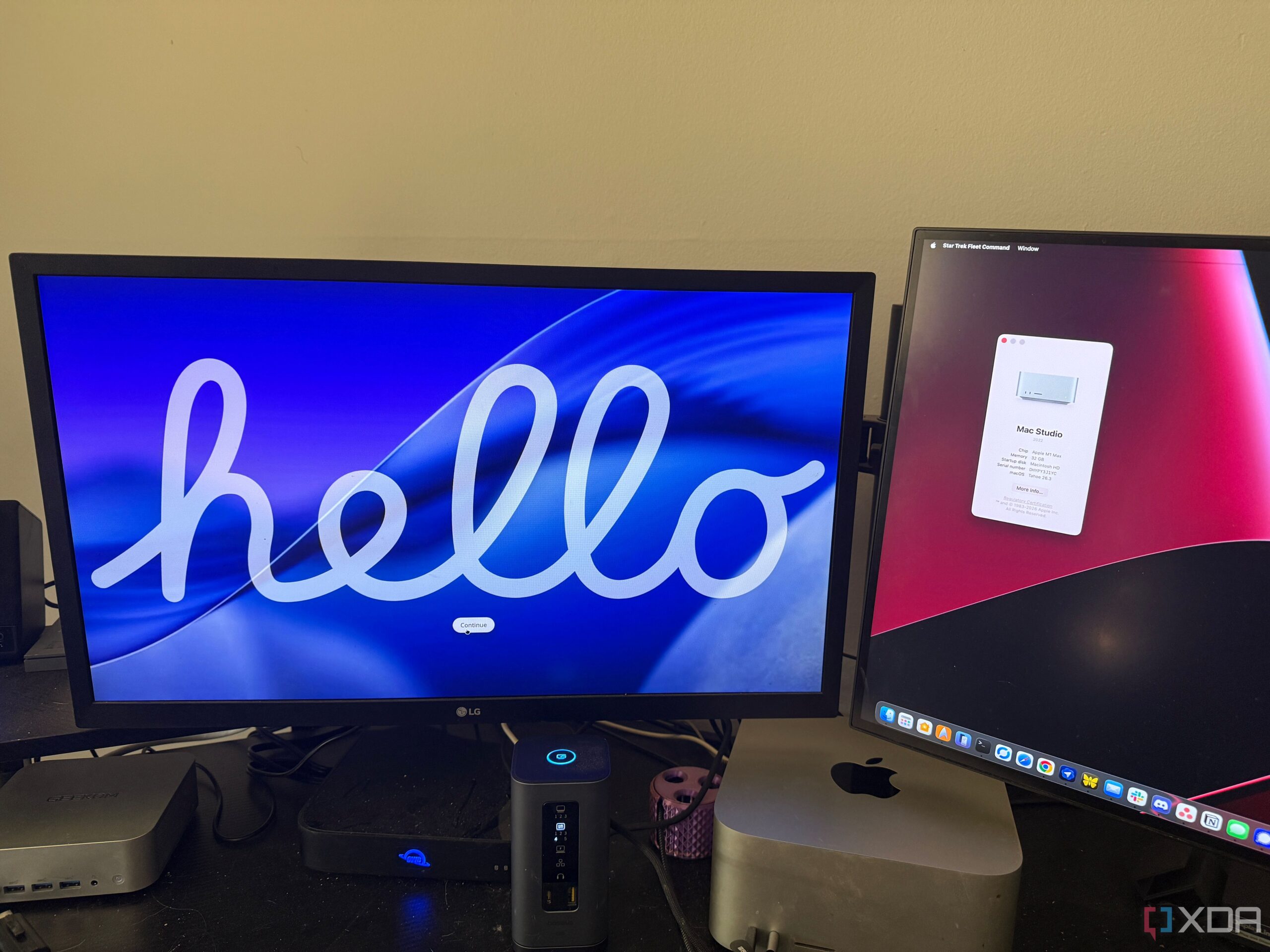
The launch of pearOS promises a unique fusion of macOS aesthetics and the flexible functionality of Arch Linux. Designed to appeal to users seeking an intuitive experience, pearOS utilizes a customized version of KDE Plasma to create a user-friendly environment that mimics the familiar look of macOS while maintaining the robust capabilities of a rolling-release system.
At its core, pearOS aims to address a common challenge in the Linux community: the often overwhelming complexity of navigating various desktop environments. With its focus on a polished user experience, pearOS intends to simplify the transition for those switching from macOS to Linux. The project is underpinned by the belief that a visually coherent desktop can enhance usability, allowing users to explore their systems without feeling lost.
The Promise and Perils of a Rolling Release
The choice to build pearOS on Arch Linux introduces both advantages and challenges. As a rolling-release distribution, pearOS offers users continuous updates, meaning they can access the latest kernels and desktop features without waiting for major version releases. This approach can be beneficial for those using modern hardware, as it generally provides improved graphics support and the latest software enhancements.
However, the rolling-release model requires users to stay engaged with system updates. Unlike static releases, where updates are less frequent, rolling-release systems demand attention to ensure stability and functionality. Users may encounter unexpected changes after updates, necessitating a proactive approach to managing their systems.
The combination of pearOS’s polished appearance and Arch’s dynamic foundation raises questions about the sustainability of its user experience. While the project’s visual appeal may attract new users, it remains to be seen whether it can consistently deliver on the promise of stability while embracing the fluid nature of a rolling-release environment.
A New Approach to Desktop Customization
pearOS stands out by emphasizing the importance of a cohesive visual identity. It seeks to eliminate the need for extensive customization, which can often deter new users from fully embracing Linux. By providing a desktop experience that resembles macOS, pearOS aims to create a welcoming atmosphere for those unfamiliar with Linux.
The project’s approach is not merely superficial; it reflects a deeper understanding of user preferences and habits. By offering a desktop that feels curated and intentional, pearOS hopes to encourage exploration among users. As they become more comfortable with the environment, users may be motivated to delve deeper into system settings and configurations.
Yet, this ambition does not come without risks. The reliance on a specific aesthetic and functionality means that pearOS must maintain alignment with upstream changes from both Arch and KDE. If updates introduce inconsistencies, the polished illusion could falter, impacting user satisfaction.
The success of pearOS hinges on its ability to balance visual coherence with the inherent unpredictability of a rolling-release system. As the project evolves, it must ensure that its customizations remain compatible with ongoing developments in the Linux ecosystem.
Ultimately, pearOS presents itself as a potential gateway for users looking to transition to Linux without sacrificing familiarity. While it may face scrutiny for its resemblance to macOS, its ambition lies in providing a cohesive experience that empowers users to explore the capabilities of Linux.
As the landscape of Linux distributions continues to evolve, pearOS’s unique blend of aesthetics and functionality could carve a niche for itself among users who value both design and performance. The project must navigate the challenges of maintaining its appeal while delivering a reliable and responsive user experience. If it succeeds, pearOS may redefine how users perceive and engage with Linux, transforming it from a mere operating system into a vibrant, user-friendly platform.