The release of the Oura Ring 4 Ceramic in October 2023 has caught the attention of health enthusiasts and casual users alike. Priced at $499, the latest version of this wearable health tracker combines an elegant design with advanced technology, making it a desirable accessory for those looking to monitor their health. After wearing the Oura Ring for a month, I uncovered several important insights into my health that I might not have recognized otherwise.
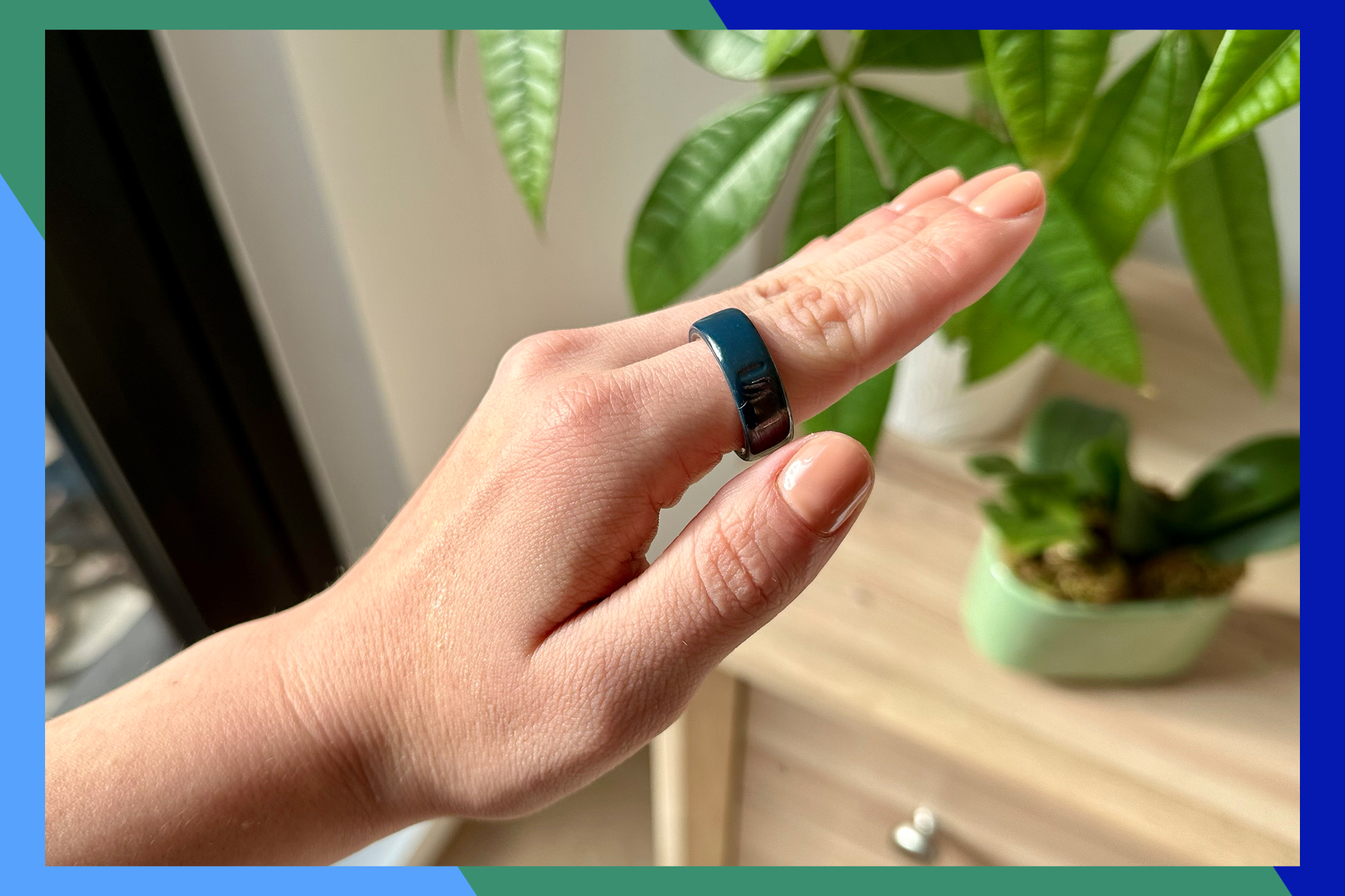
The Oura Ring 4 Ceramic is not just a fitness tracker; it operates as a sophisticated health monitoring tool. The ring boasts a lightweight, hypoallergenic design crafted from high-performance zirconia ceramic, available in four colors: Midnight, Cloud, Tide, and Petal. This stylish device is durable enough to withstand temperatures up to 125 degrees Celsius and depths of up to 100 meters, making it suitable for various activities, including swimming and sauna sessions. Its design is sleek and unobtrusive, lacking a screen or notifications, which allows it to blend seamlessly into daily life.
Key Features of the Oura Ring 4 Ceramic
The Oura Ring 4 Ceramic retains the advanced health tracking capabilities of its predecessors, including metrics for sleep patterns, daily activity, recovery, stress levels, and cardiovascular health. Users have reported that the Oura Ring has provided life-saving health data. A 2020 study indicated that the ring’s heart rate measurements are approximately 99% accurate when compared to ECG readings. Moreover, it outperformed competitors like the Apple Watch and Fitbit in detecting deep sleep, with a sensitivity rate of 79.5%.
Wearing the Oura Ring on the index, middle, or ring finger optimizes signal quality due to the larger blood vessels in those areas. This ensures that the device collects accurate readings, which are essential for understanding one’s health.
During my month-long evaluation, I found that the Oura Ring effectively highlights personal health gaps. The device not only tracks real-time metrics like step count and heart rate but also identifies longer-term trends that could signal potential health issues.
Personal Experience and Insights
As a wellness writer with experience testing various wearables, I was eager to see how the Oura Ring would perform. Many devices excel at providing immediate data but often fall short in revealing underlying health patterns. I aimed to determine whether the Oura Ring could offer actionable insights to help me manage my stress and overall well-being.
After wearing the ring, I discovered a direct correlation between my daily stress levels and sleep quality. On days of heightened stress, my sleep score decreased significantly. The Oura Ring’s personalized insights encouraged me to adopt healthier habits, such as setting a 10 p.m. bedtime and engaging in morning workouts. Subsequently, my sleep scores improved, consistently reaching the 80s.
The Oura Ring’s Readiness Score, which assesses recovery, further informed my daily activity levels. This score, rated from 0 to 100, adjusts the daily activity goal based on recovery metrics, allowing me to prioritize rest when needed. I learned that pushing myself too hard can lead to fatigue and decreased performance, emphasizing the importance of balance in maintaining health.
One notable feature is the Symptom Radar, which alerts users to early signs of illness. The ring detected a temperature spike that coincided with a respiratory issue I was experiencing. This proactive alert allowed me to take necessary precautions, potentially preventing the spread of illness to others.
The Oura Ring also assists in tracking women’s health by monitoring menstrual cycles and hormonal changes. The Fertile Window feature offers insights into ovulation, making it a valuable tool for those looking to conceive or manage their reproductive health.
In addition to these features, the Oura Ring’s Multi-Ring Support allows users to pair multiple rings to a single account, enabling style changes without sacrificing data continuity.
Comparing Ceramic and Titanium Models
The ceramic model shares capabilities with the titanium variant, but the material difference is significant. After switching to the titanium version, I found it to be slightly thinner and lighter. However, the ceramic ring’s hypoallergenic properties proved beneficial for my sensitive skin, while the titanium model caused mild irritation.
The durability of the ceramic ring is impressive, showing minimal signs of wear after a month of use. In contrast, the titanium ring displayed noticeable scratches within a week.
In conclusion, the Oura Ring 4 Ceramic stands out as a valuable investment for anyone committed to improving their health. Its unique combination of elegant design and comprehensive monitoring features empowers users to make informed decisions about their wellness. By revealing hidden health insights, the Oura Ring transforms the concept of a fitness tracker into an essential healthcare companion, fostering a deeper understanding of personal health needs.