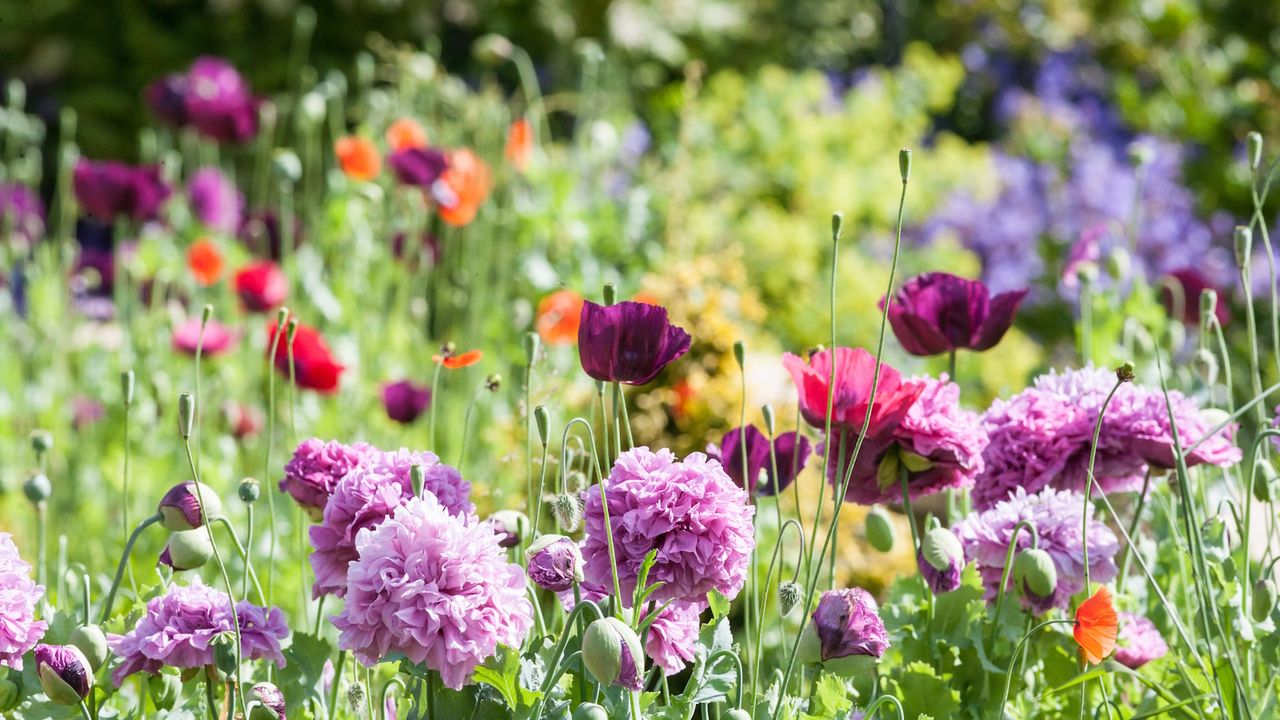
As winter settles in, landscape professionals are not slowing down but gearing up for the upcoming growing season. December serves as a crucial month for gardeners and landscape designers, allowing them to lay the groundwork for a vibrant garden come spring. Experts emphasize that this time is significant for both planning and execution, ensuring a thriving outdoor space when warmer weather arrives.
Strategic Preparations in December
According to Tim Johnson, President of Tim John Landscaping in Statesville, North Carolina, December is a pivotal time for setting up spring success. “We take the winter time to set up for spring success,” he states. This includes tasks such as leaf clean-up, mulching, and ensuring that garden beds are clear and well-defined. By tackling these chores early, Johnson explains, they avoid falling behind as spring approaches.
He adds that leaf management is critical. In manicured shrub borders, his team removes leaves from under shrubs and ground cover. Conversely, in more natural garden areas, leaves are intentionally left to provide insulation. “When we’re talking about more perennial-type natural garden areas, then we’re loading those leaves up in there to provide insulation where maybe we can’t place mulch,” Johnson notes.
Winter Plant Care and Structural Pruning
In December, Johnson also focuses on protective treatments for plants. He prefers to limit fertilization during the cold months, advocating for horticultural oils and bio-stimulants to keep plants healthy. “Growth is a year-round thing; it doesn’t take off in the wintertime,” he explains. Horticultural oil serves a dual purpose by controlling insects and managing moisture in the leaves.
Moreover, December is ideal for structural pruning of ornamental trees. Johnson highlights its importance: “It’s a critically important time to structurally prune ornamental trees,” as it aids in maintaining airflow through the canopy and eliminating crossing branches. This is easier during the dormant season when visibility into the structures of trees and shrubs improves.
Landscape designer Dave Marciniak of Revolutionary Gardens in Culpeper, Virginia, uses December to encourage clients to begin their landscape planning. “This is a great time of year for working with a landscape designer on a design so they can hit the ground running in the springtime before everybody gets booked up,” he explains.
Additionally, the dormant season makes it the right time to relocate certain woody plants. “If there are deciduous trees or shrubs that homeowners want to move, this is a good time of year for it,” Marciniak advises. However, he cautions against moving broadleaf evergreens after late October, as they may not survive the winter.
Marciniak also points out that winter’s bare landscape facilitates the identification of drainage issues. “This time of year, you can see clearly where your water is sitting,” he states. This visibility allows him to adapt drainage systems effectively.
Protection and Design Insights
In Wisconsin, gardener and creator Erin Schanen, known as The Impatient Gardener, approaches winter preparation with a focus on protection and design. Schanen has reduced her fall clean-up efforts significantly, allowing seedheads and stems to remain standing through winter. “It gives me something to look at in winter,” she explains, while also easing the spring clean-up process.
Protection from wildlife is a primary concern. “Winter protection up here in Wisconsin is a really big thing, with protection from critters being the bigger factor,” Schanen notes. This includes caging young trees and applying repellents. Additionally, she builds cages around tender shrubs and fills them with leaves for insulation.
Even in cold climates, winter watering is vital. Schanen emphasizes the importance of keeping newly planted and sensitive evergreens hydrated. “On those days when it’s nice enough, I will get some watering cans out and water the newer and particularly water-sensitive evergreens,” she states. This practice helps prevent dehydration during the harsh winter months.
Once her immediate tasks are complete, Schanen turns her focus to analysis and design. “There’s no better time to analyze the structure in a garden than winter,” she explains. The quiet season allows her to rethink her garden’s layout and plant selections, ensuring she can place orders early for the upcoming season.
Schanen also seeks inspiration by visiting other gardens, particularly in warmer climates. These trips, such as those to the Naples Botanical Garden, help her gather ideas and reinvigorate her creative vision.
Evaluating and Planning for the Future
Homeowners can benefit significantly from this winter preparation period. December provides a unique opportunity to evaluate gardens without foliage obscuring the view. Homeowners can identify gaps, assess sight lines, and consider structural elements that need improvement.
Many professionals continue planting dormant trees and shrubs well into December, provided the ground is not frozen. This practice often leads to healthier root systems as the plants establish themselves.
Overall, December proves to be a powerful month for preparation—not just for professionals but for anyone invested in their gardens. By focusing on strategic planning and essential tasks, both designers and homeowners can ensure a successful, stress-free growing season ahead.