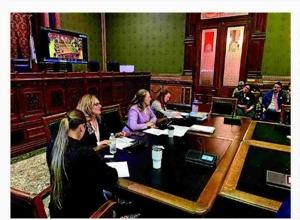
The Iowa House of Representatives has advanced new legislation aimed at limiting classroom instruction regarding sexual orientation and what is defined as “gender theory” under state law. This development, occurring on March 27, 2024, in Des Moines, reflects a growing trend among lawmakers in the state to impose restrictions on LGBTQ+ education in middle and high schools.
The proposed bills, championed by Iowa House Republicans, would extend existing prohibitions that currently apply to younger grades. These measures have sparked considerable debate among educators, parents, and advocacy groups, who argue that such restrictions could have detrimental effects on student well-being and inclusivity.
Governor Kim Reynolds has expressed support for the legislation, aligning with her administration’s broader agenda to reshape educational content across the state. During a press conference, she stated, “Our children deserve an education that aligns with the values of their families.” This statement has resonated with certain constituents, while eliciting strong backlash from opponents who view it as a direct attack on LGBTQ+ rights.
Critics have highlighted the potential consequences of these bills, suggesting they may isolate LGBTQ+ students and hinder the development of a supportive school environment. According to a recent survey conducted by the Iowa Department of Education, approximately 25% of LGBTQ+ students reported feeling unsafe in school due to their sexual orientation.
The legislation passed through the House with a vote of 56-42, largely along party lines. Republican lawmakers argue that the bills are intended to protect parental rights and ensure that educational content remains aligned with traditional values. They emphasize the need for parents to have a primary role in determining what their children learn regarding sensitive topics.
Supporters of LGBTQ+ education, including organizations such as the American Civil Liberties Union (ACLU) of Iowa, are mounting a vigorous campaign against the proposed laws. They assert that comprehensive education about sexual orientation and gender identity is essential for fostering understanding and acceptance among students. A spokesperson for the ACLU stated, “These bills do not just limit education; they send a harmful message to young people that who they are is unacceptable.”
The legislative process is ongoing, with further discussions expected as the bills move to the state Senate. Advocates on both sides anticipate a contentious debate that will likely attract national attention, given the increasing scrutiny of similar measures across the United States.
As the situation develops, many are closely monitoring the impact of these legislative efforts on Iowa’s educational landscape and the broader implications for LGBTQ+ rights in the state. The outcome of these bills could set a precedent for educational policies in other regions grappling with similar issues.