Recent discussions among interior design enthusiasts have highlighted which popular trends are likely to feel outdated in the next decade. As styles evolve, certain elements that currently dominate home decor may soon evoke a sense of cringe. From open floor plans to specific color palettes, many homeowners are beginning to question the longevity of their design choices.
Design Trends Facing Obsolescence
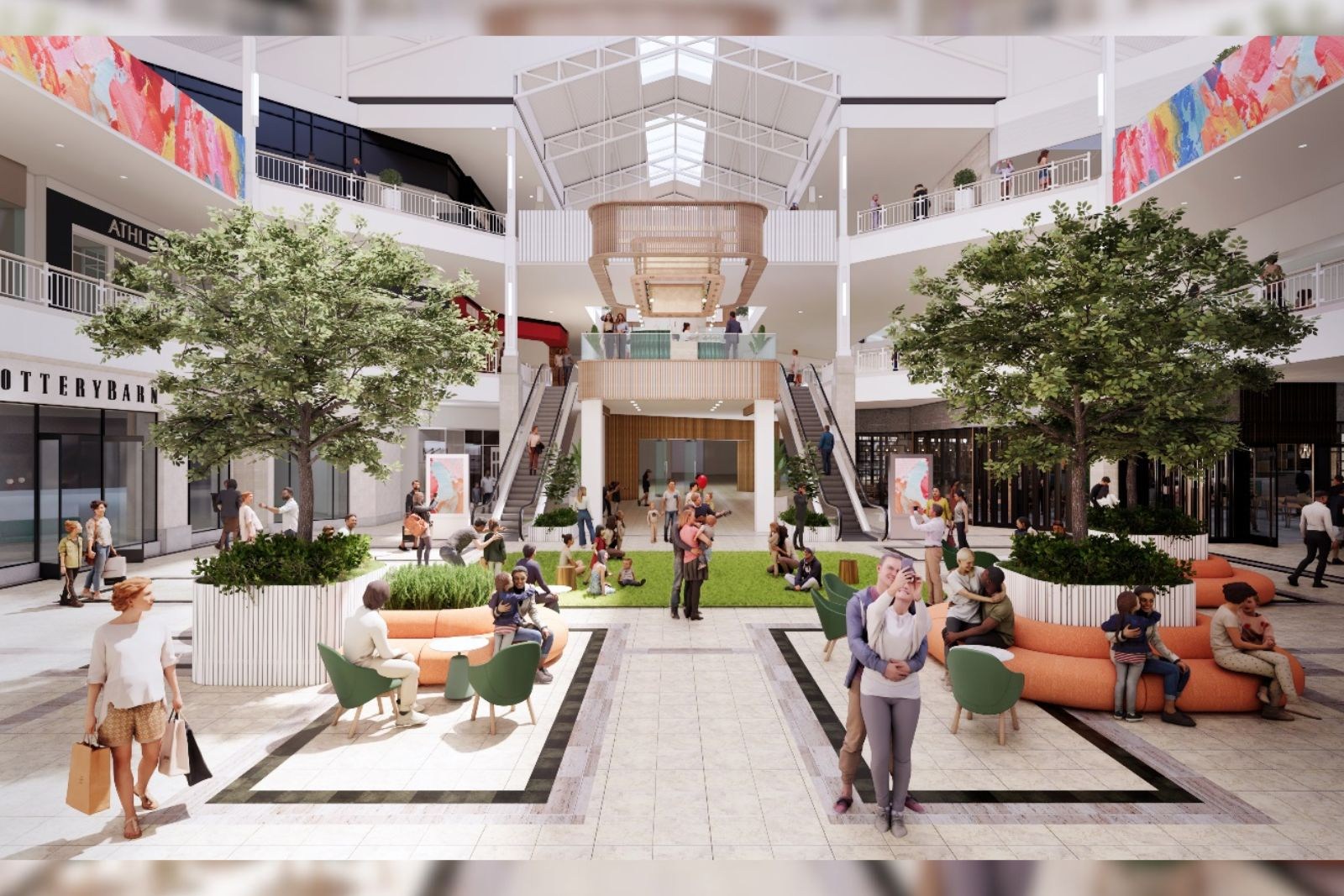
One of the most frequently criticized trends is the open floor plan. Many homeowners are starting to prefer distinct rooms, citing issues such as noise and kitchen odors. One commenter noted, “Does anyone actually like open floor plans? The sound travels, kitchen smells travel, kitchens tend to lose a whole wall’s worth of cabinets.” This growing sentiment suggests that the open concept might soon be seen as a relic of the early 21st century.
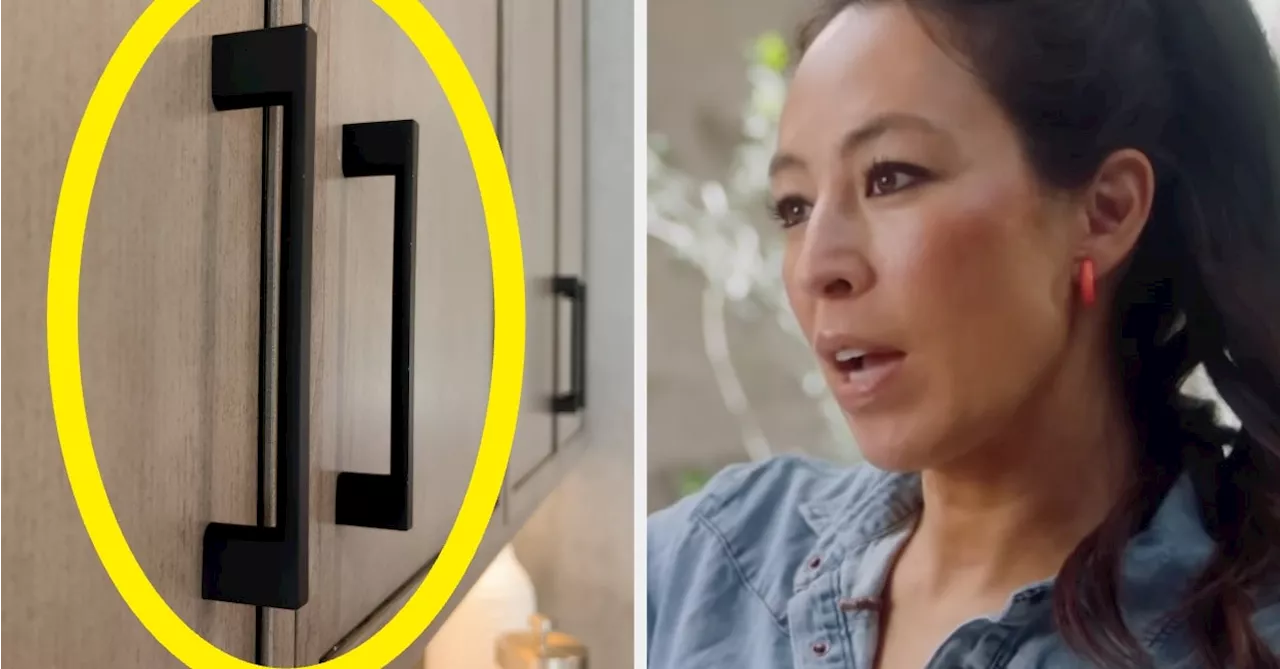
Another trend facing scrutiny is the widespread use of matte black hardware. Currently popular for its modern aesthetic, one homeowner remarked, “Since every single person seems to be using it as their main finish option, it will immediately date a build to the 2020s.” As tastes shift, this design choice may quickly lose its appeal.
Green kitchen cabinets, once heralded for their uniqueness, are also expected to fall out of favor. A participant in the discussion lamented, “After something becomes trendy, it seems to lose that ‘classic’ or ‘timeless’ designation.” This sentiment reflects how rapidly changing styles can diminish the charm of previously beloved features.
Debated Styles and Their Future
Mid-century modern styles, once celebrated for their clean lines, are predicted to wane. While some elements of this design are timeless, many feel it has been oversaturated in recent years. “Yes, some elements are classics, but it’s also been overdone, and people are getting bored with it,” one commenter stated.
The farmhouse style, characterized by rustic elements and a cozy aesthetic, has also come under fire. Described as looking like “every house in the suburbs,” this design choice may soon be seen as a cliché. Critics point to the overwhelming presence of items like milk jugs and burlap as indicators of its impending obsolescence.
Moreover, the trend of using beige and neutral tones is thought to be on the decline. Although these colors have made a comeback from the 1970s, their continued dominance may not last. Observers note, “Colors from the 1970s are already starting to come back, but it will be a while before they trickle into mainstream American homes.”
As for materials, opinions vary on whether real stone or manmade products will prevail. One homeowner expressed a preference for natural stone, stating, “In my opinion, real stone will always stand the test of time better than manmade.” This highlights an ongoing debate over the durability and aesthetic appeal of various materials.
In summary, the evolving landscape of interior design is marked by an array of trends that could soon feel dated. As tastes shift and new styles emerge, homeowners may find themselves re-evaluating their current choices. The conversation around these design trends reflects broader cultural shifts and the desire for a more timeless aesthetic in home decor.
Which trends do you believe might fade into obscurity, and which ones do you hope will endure? Share your thoughts in the comments below.