Interior designers emphasize the importance of layering as a fundamental technique to create depth and authenticity in spaces. This principle not only enhances the visual appeal of a room but also ensures it feels lived in and intentional. Industry experts reveal how layering can transform spaces through various methods, encouraging a balance between aesthetics and functionality.
Understanding Layering in Interior Design
Layering involves the careful combination of contrasting textures, shapes, materials, and scales. According to Sarah Hart, owner and principal designer at Sarah Hart Interior Design in Charleston, South Carolina, layering is crucial for achieving a sophisticated look. “Without layering, a space can fall flat, especially in luxury homes where the goal is a sense of depth and quiet richness,” she explains.
This technique is not merely about adding more elements; it is about creating a harmonious and engaging environment. Hart illustrates this by contrasting an oversized sofa with lighter, more architectural chairs, suggesting that balance is key to a well-designed space.
Effective Techniques for Layering
Designers employ various strategies to layer effectively, ensuring that each room reflects personality while remaining functional. Here are ten key techniques they use:
1. **Establishing a Solid Base**
The foundation of any layered design starts with the base, which includes the rug, wall color, and architectural elements. Madelynn Hudson from M.H. Interiors emphasizes the importance of this initial layer, stating, “When this layer is right, everything else has a clear direction.”
2. **Softening Hard Edges**
Introducing textiles like pillows and throws can reduce the severity of hard surfaces, making spaces feel warmer and more welcoming. Lauren Carlucci notes that mixing various fabrics enhances comfort and visual interest.
3. **Layering Materials**
Integrating different materials—such as stone, metal, and textiles—adds depth and intrigue. Hudson advises designers to balance warm and cool elements for greater visual impact.
4. **Differentiating Lighting**
Layered lighting is essential for creating a warm atmosphere. Jess Weeth highlights the importance of using sconces and lamps alongside ceiling fixtures to elevate the overall ambiance.
5. **Playing with Shape and Scale**
Variation in shapes and sizes can prevent a room from feeling static. Hudson recommends mixing curvy and linear forms, while Cheryl Stauffer suggests prioritizing larger pieces first before adding smaller items.
6. **Mixing High and Low**
Combining luxury items with more accessible decor can enhance the overall appeal of a room. Dan Mazzarini, principal designer at Mazzarini & Co., illustrates that the interplay of high and low pieces fosters interest beyond price tags.
7. **Balancing Old with New**
Integrating vintage and contemporary pieces creates a narrative within the space. Carlucci notes that mixing eras adds relevance and prevents rooms from feeling stale.
8. **Leveraging Literature**
Books can serve as effective layering tools, adding both aesthetic and personal value to a space. Stauffer frequently incorporates books into her designs, using them to build depth and character.
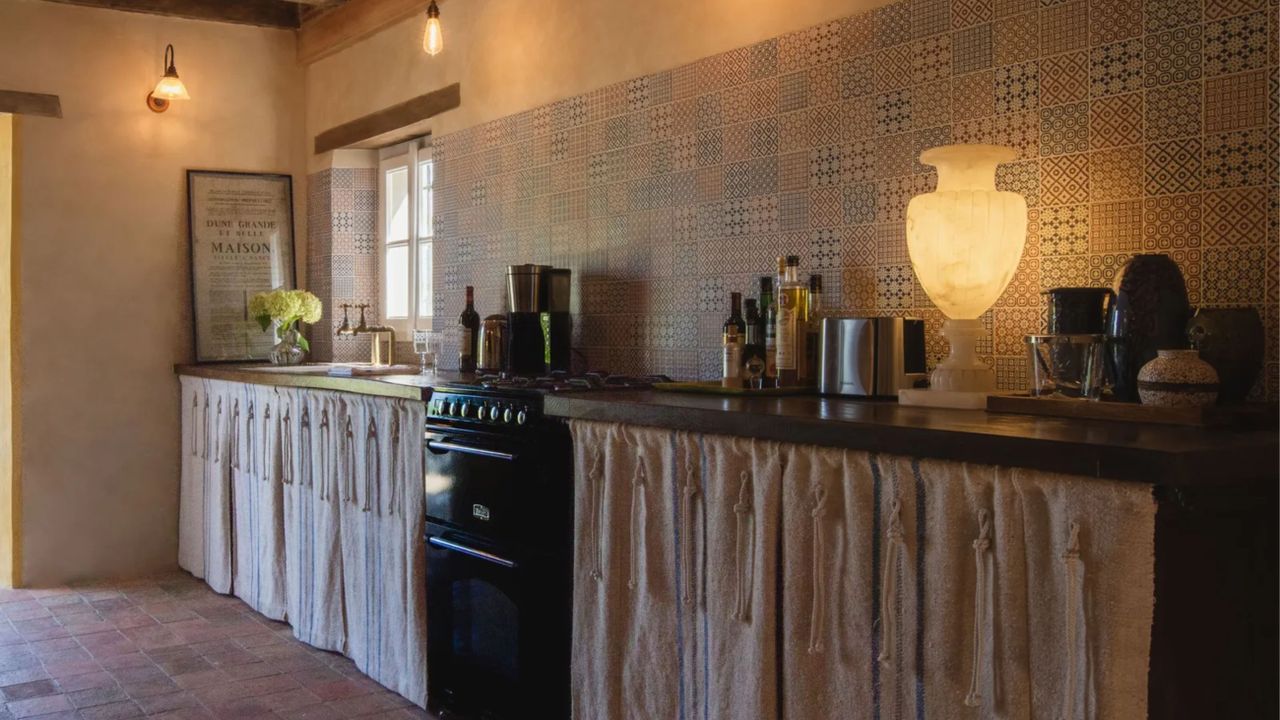
9. **Using Pleats and Skirts**
Furnishings with pleats or skirts can introduce softness and sophistication. Weeth points out that these elements can refresh a piece without needing complete replacement.
10. **Making It Personal**
Layering often incorporates personal items collected over time, allowing spaces to feel uniquely inhabited. Hudson advises adding personal touches such as art and ceramics to enhance emotional resonance.
Layering is a vital component in crafting spaces that feel authentic and lived in. By focusing on the foundational elements, introducing variety in materials and shapes, and allowing for personal expression, designers create environments that resonate with both beauty and purpose. This approach not only enhances the visual appeal but also fosters a sense of comfort and identity within the home.