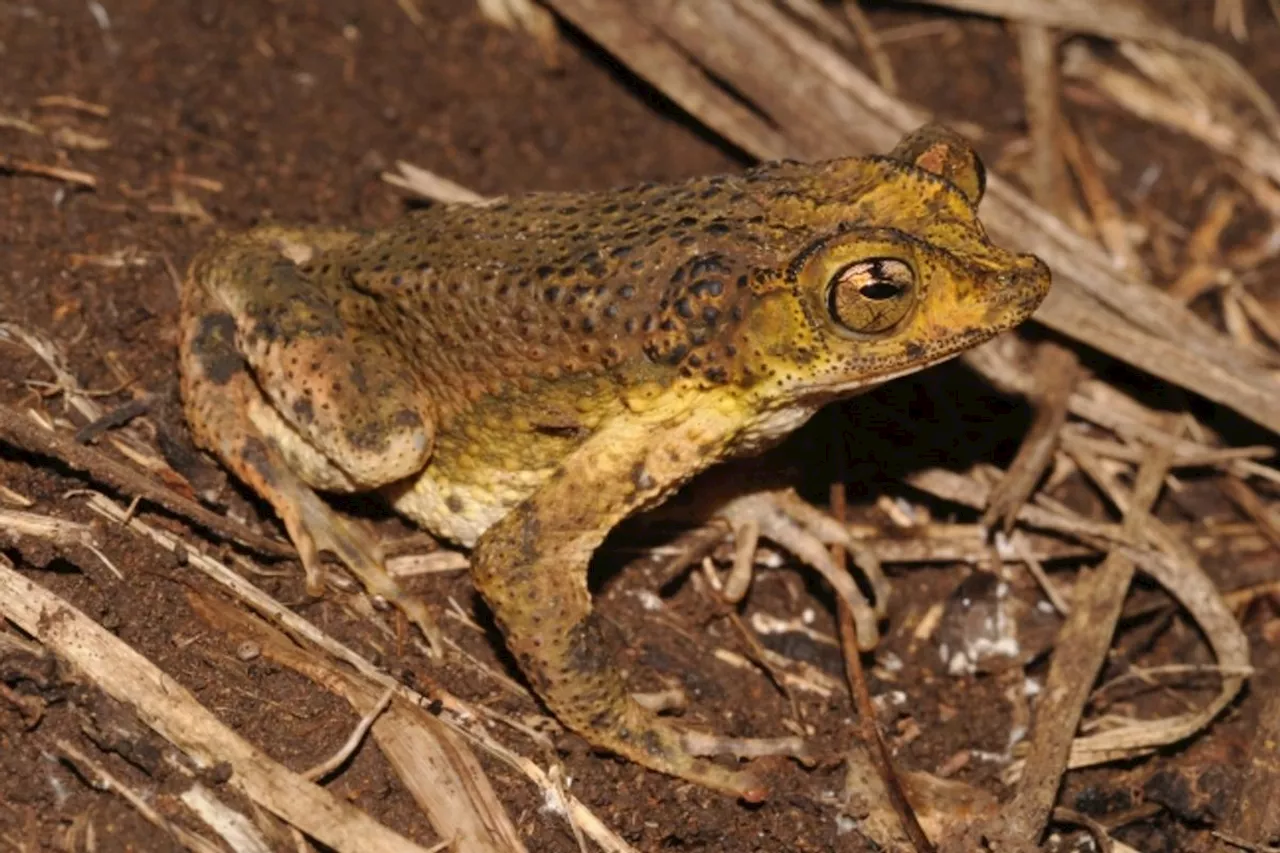
The sapo concho, or Puerto Rican crested toad, gained significant attention during the 2026 Super Bowl halftime show, where it was featured in a performance by international music star Bad Bunny. This native species, which is the only toad found in Puerto Rico and the U.S. Virgin Islands, has been classified as endangered by the U.S. Fish and Wildlife Service (USFWS). Bad Bunny’s inclusion of the toad in his performance highlights a growing awareness of this unique amphibian and its plight.
During the halftime show, the camera captured Concho, a representation of the sapo concho, as Bad Bunny transitioned into his song “Monaco.” This moment not only entertained millions but also aimed to raise awareness about an endangered species that has suffered from habitat loss and invasive species. The sapo concho has made appearances in Bad Bunny’s recent works, including the short film “DeBÍ TiRAR MáS FOToS,” further emphasizing its role in his artistic narrative.
Understanding the Sapo Concho
The sapo concho is a medium-sized toad, measuring approximately 2.5 to 4.5 inches in length. It features a distinctive bumpy snout and rigid crests that form an arch over its large eyes. Its brown color pattern makes it easily identifiable, and it is most active during the evening hours, typically from 19:30 to 01:00. These toads prefer drier habitats, often found in rocky outcrops and well-drained soils. In more forested areas, they can be discovered in dead logs or even abandoned tarantula nests.
The species was first documented scientifically in 1868, as noted by the Puerto Rican Crested Toad Conservancy. Following a century of population decline caused by various factors, it was officially listed as threatened by the USFWS in 1987, leading to its current status as endangered on the IUCN Red List.
Threats to Survival
The sapo concho faces several challenges that have contributed to its dwindling numbers. A primary threat is the invasive cane toad, introduced to Puerto Rico in the early 20th century. Originally intended to control agricultural pests in sugar cane fields, the cane toad has since overrun many breeding grounds critical to the sapo concho’s survival.
Habitat loss due to construction, particularly in coastal regions where the sapo concho resides, further exacerbates the species’ challenges. Climate change also poses risks, as these toads rely on specific conditions for breeding. Research published in the Caribbean Journal of Science indicates that they typically breed in pools formed by rainfall, but can delay breeding during drought periods or shifts in precipitation patterns.
Conservation Efforts
Despite these challenges, dedicated conservation efforts are underway to protect the sapo concho. The Fort Worth Zoo in Texas has been instrumental in these conservation efforts since 1984. In 1989, the zoo initiated a breeding program aimed at reestablishing the toad’s population. Collaborating with the USFWS and the Puerto Rican Department of Natural and Environmental Resources, the zoo has been involved in various protective measures, including establishing designated habitat areas and developing construction guidelines to safeguard these areas.
The work of the Puerto Rican Crested Toad Conservancy, which encompasses 17 breeding facilities, represents the longest continuous reintroduction of any amphibian species globally. Through these efforts, more than 830,000 sapo concho tadpoles have been released into their natural habitats, demonstrating a commitment to the survival of this species.
The recent visibility afforded by Bad Bunny’s performance has rekindled interest in the sapo concho, potentially inspiring further conservation initiatives. With ongoing efforts from dedicated organizations and increased public awareness, there is hope for the future of this remarkable amphibian.