The rise of artificial intelligence (AI) is reshaping the food delivery landscape, igniting debates over authenticity and ethics. As third-party delivery services like DoorDash and Uber Eats adopt AI tools to enhance food imagery, customers are raising concerns about misleading marketing and fraudulent claims. The situation is drawing attention to three key areas of controversy: enhanced food photos, manipulated refund requests, and potential misuse of delivery verification.
AI-Enhanced Food Imagery
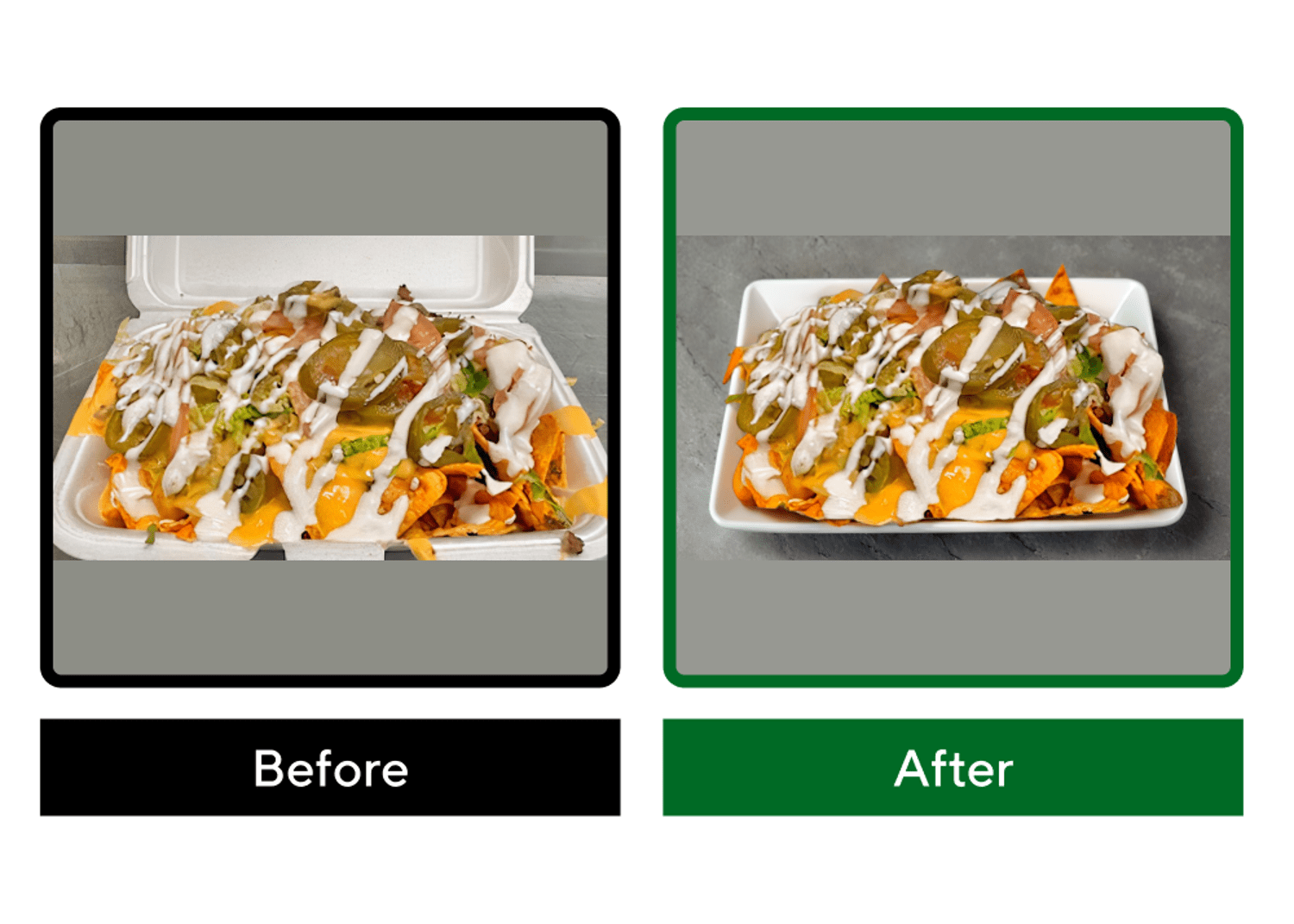
In an effort to improve consumer engagement, delivery apps are leveraging AI to produce visually appealing food photos. This move allows restaurants to showcase their dishes without incurring the high costs associated with professional photography. According to Uber Eats’ 2025 Merchant Impact Report, the company’s latest AI technology assists restaurants in refining the quality of their food images. Similarly, DoorDash enhances user-generated photos by adjusting lighting and presentation, stating, “We’re using AI to detect and enhance low-quality food images.”
On April 9, 2025, DoorDash announced an expansion of its AI initiatives for merchants, including an item description generator and tools to convert customer photos into professional menu images. These features are designed to elevate the customer’s overall experience from discovery to checkout.
Despite these advancements, customers have begun to voice suspicions about the authenticity of food images. Some believe that the use of AI raises ethical questions about transparency in food marketing. As consumers increasingly share their concerns on social media, the conversation around the authenticity of food representations continues to grow.
Manipulated Images and Refund Claims
Customers can report issues with their orders through the delivery apps, often resulting in refunds for items that arrive damaged or unsatisfactory. However, a troubling trend has emerged where individuals alter images of food to claim refunds for perfectly acceptable meals. One user on X shared before-and-after photos of a hamburger, claiming they had edited the images to make the meat appear raw to obtain a refund from DoorDash.
A representative from DoorDash emphasized the company’s commitment to preventing fraudulent activity, stating, “We have zero tolerance for fraud.” They cautioned that manipulating images for refunds could lead to permanent bans on user accounts. While the extent of this practice remains unclear, discussions within the delivery community indicate that it is not yet widespread.
Ligia Guallpa, executive director of the Worker’s Justice Project, noted that while stories of manipulated images circulate, they haven’t become a common issue among delivery workers. However, she highlighted that refund requests often mistakenly place blame on drivers, who may face penalties for issues beyond their control. Guallpa pointed out that drivers frequently do not have the opportunity to contest negative ratings or deactivations.
DoorDash countered Guallpa’s claims by asserting that there is an appeals process available for all gig workers, ensuring that they can contest unfair penalties. Despite requests for comments, neither Uber Eats nor GrubHub responded.
Concerns Over Fake Deliveries
In late December 2024, reports surfaced of a customer alleging that their DoorDasher faked a delivery. Finance blogger Byrne Hobart claimed that his order was marked as complete even though he had not received it. Hobart’s allegations were shared on social media, but attempts to verify the incident were unsuccessful.
When questioned about potential abuses within their system, a DoorDash representative stated that the company employs strict anti-fraud protocols, combining technology and human review to identify instances of manipulated images and fake delivery photos. Although these incidents are rare, the company takes them seriously, stating that accounts found to be abusing the system will face permanent deactivation.
The intersection of AI technology and food delivery services raises crucial questions about consumer trust and the ethical use of new tools. As companies navigate this evolving landscape, the balance between innovation and integrity will be essential for maintaining customer loyalty and ensuring fair practices for delivery workers.