The increasing accessibility of cannabis to adolescents raises significant health concerns, as highlighted by the experiences of individuals like Paige Valpey. Valpey, who began using cannabis at age 13, reflects on how her early use affected her academic performance and mental health. Now 28 and nine months sober, she attributes her struggles with anxiety and fatigue to her cannabis habit, which began before recreational sales became legal in Washington in 2012.
Valpey’s story is not uncommon in the Lewiston-Clarkston Valley, where cannabis use among youth has been linked to various health risks. Research from the Washington State Liquor and Cannabis Board indicates that adolescents who use cannabis may experience impaired learning and increased anxiety. Weekly users can suffer cognitive impairments lasting up to 28 days after their last use, while daily users may encounter suicidal thoughts.
As legal cannabis sales continue to surge—annual sales in Asotin County reached four times the amount recorded in the first year of legalization—concerns about youth access have intensified. The Washington State Liquor and Cannabis Board reported an 87% increase in overall state sales from previous years. Despite regulations prohibiting sales to individuals under 21, local law enforcement and educators believe that teens are still obtaining cannabis through indirect channels, such as purchasing it from adults or stealing from family members.
Debate Over Accessibility and Safety
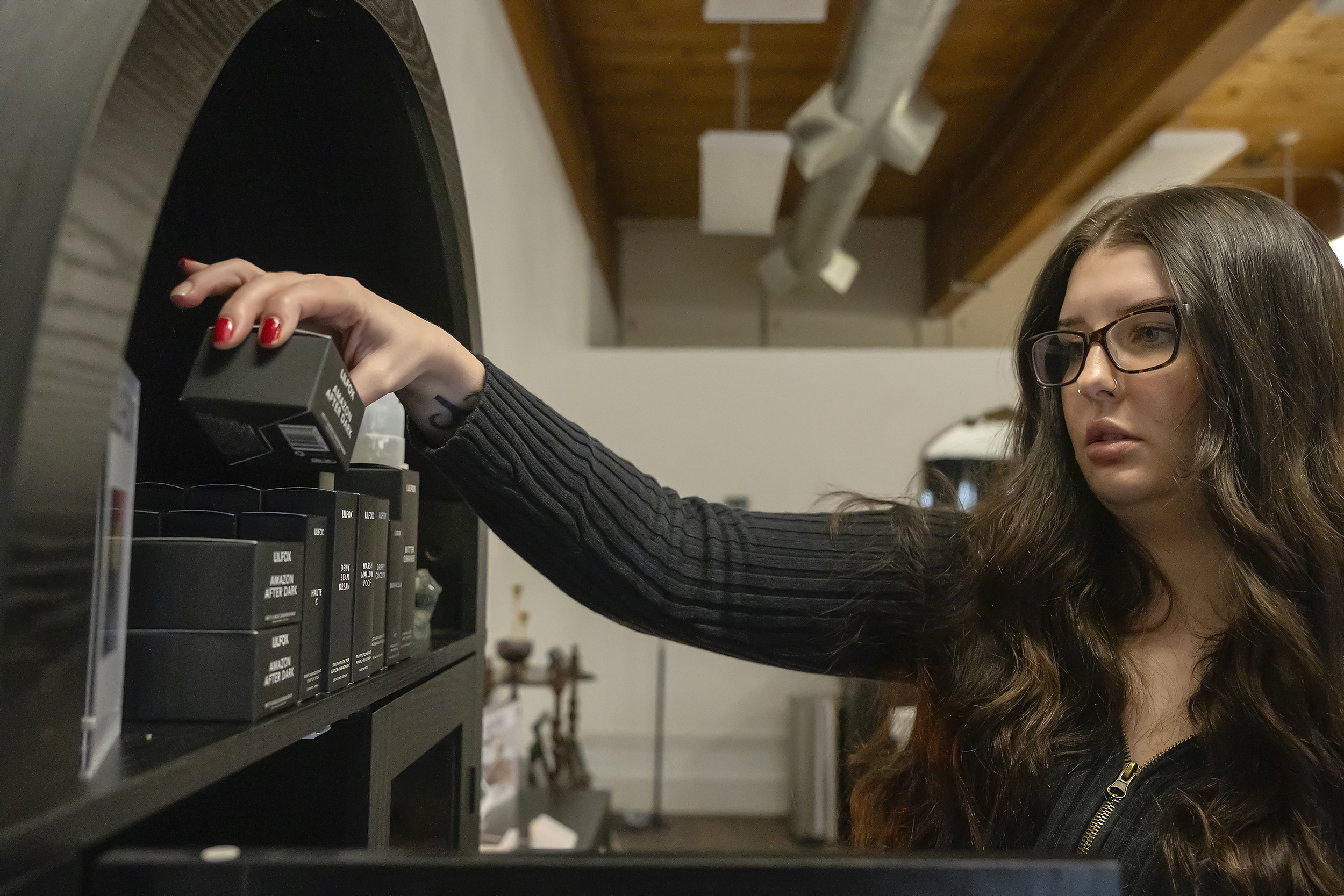
Cannabis retail owners like Matt Plemmons of Greenfield Cannabis argue that legalization has made cannabis safer for the community. Plemmons emphasizes that legal dispensaries strictly check IDs, contrasting with illicit dealers who do not enforce age restrictions. He advocates for a collaborative approach to youth cannabis prevention, urging cooperation among parents, schools, health care providers, and state regulators.
Despite these measures, issues persist. Reports suggest that young people still manage to circumvent regulations by paying adults to purchase cannabis or accessing it through theft. According to Caden Massey, coordinator of Clarkston EPIC, many adults believe that purchasing cannabis for minors carries little risk. “I know people who have purchased weed for younger people, and their perception is ‘Nothing is going to happen. I’m of legal age,’” Massey stated.
Legal repercussions for adults who buy cannabis for minors exist, with penalties reaching up to 10 years in prison and fines of $10,000. However, prosecutions in Asotin County remain infrequent, with only six to twelve cases documented since 2000, according to Curt Liedkie, Asotin County Prosecutor. The challenges in obtaining evidence, such as having officers witness transactions, complicate enforcement efforts.
The Health Impact and Need for Data
Health experts, including Ryan McLaughlin from the Cannabis Research Center at Washington State University, stress the importance of systematic monitoring of youth cannabis use and its health effects. “Washington does not have a dedicated surveillance system that tracks the health impacts of youth cannabis in a systematic way,” McLaughlin noted. This lack of coordinated data hampers efforts to understand the full extent of cannabis-related health issues among adolescents.
Comparative data from the Healthy Youth Survey indicates a decline in cannabis access and use among high school students in Asotin County from 2010 to 2023. This trend raises questions about the effectiveness of current prevention strategies and the real impact of legalization.
In contrast, the situation in Idaho shows a lack of robust data regarding the effects of cannabis legalization in neighboring states. Local surveys indicate a mixed picture, with some reductions in peer cannabis use but continued access among students. The Lewiston Police Department reported minimal confiscations of cannabis products in schools, which officials attribute to the rising popularity of concentrates and edibles that are harder to detect.
Valpey’s experience underscores the potential risks associated with cannabis use. She recalls how her early use led to a decline in her academic performance and an increase in personal struggles. “I was doing the minimum to scrape by and pass,” she stated, reflecting on her academic decline. After switching to using a dab pen, Valpey found her consumption escalating, making her dependence more challenging to manage.
Now in recovery, Valpey emphasizes her desire to help others who may be facing similar challenges. “Nothing is as scary,” she remarked about her newfound clarity and ability to navigate life’s complexities without relying on cannabis. Her journey highlights both the personal and community-level impacts of youth cannabis use, emphasizing the need for continued dialogue on prevention and health education.
As the debate on cannabis legislation and youth access evolves, stakeholders must work collectively to address the risks while ensuring that accurate data informs public policy. The ongoing challenge is to create a safe environment for young people while navigating the realities of legalized cannabis.