As young athletes compete at the highest levels, mental health challenges are increasingly coming to the forefront. Recent discussions around the pressures faced by these athletes have gained momentum, particularly after high-profile incidents involving stars like Michael Phelps, Simone Biles, and Naomi Osaka. These athletes have opened up about their struggles, shedding light on the mental health costs often overlooked in the world of sports.
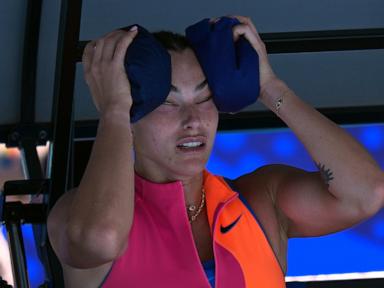
During the 2021 Tokyo Olympics, Simone Biles made headlines when she opted out of several events, citing the mental strain of competing. Her decision sparked widespread conversation about the importance of mental wellness, a topic that has gained urgency as athletes like Ilia Malinin, who recently performed in the 2026 Milan Olympics, have also spoken candidly about their experiences. After finishing eighth in the men’s free skate, Malinin expressed his shock and discussed the “crippling anxiety” that accompanied his performance, exacerbated by external pressures and social media negativity.
The reality is stark: many young athletes begin rigorous training at a young age, often sacrificing their personal and social development for the sake of sports. A concerning statistic shows that approximately 35% to 60% of young athletes experience anxiety, depression, or burnout, while over 60% report moderate to severe stress. Notably, only 10% of those affected actively seek help, a figure that highlights the stigma surrounding mental health in competitive sports.
In South Carolina, the youth mental health crisis is particularly alarming. The state has seen youth suicide emerge as the leading cause of death for individuals aged 10 to 17. Data from various health organizations reveals that the number of suicides among this age group rose significantly from 2007 to 2021, culminating in 141 deaths in 2021 alone. Alarmingly, around 77% of South Carolina youth with major depressive episodes do not receive treatment, surpassing the national average of 60%.
Such mental health challenges are not exclusive to elite athletes; they also permeate high school and collegiate sports. Common indicators of mental distress include changes in sleep or eating habits, persistent sadness, withdrawal from social activities, and a drop in academic performance. With young athletes identifying primarily with their sports, they may struggle with feelings of loss and identity crises following injuries or competitive failures.
To combat these issues, it is essential for communities to foster open discussions about mental health. Parents, coaches, teachers, and community leaders play a pivotal role in recognizing the signs of distress and providing support. Establishing a safe environment where children feel comfortable discussing their emotions is crucial. Early engagement in socio-emotional conversations can help build resilience and coping skills necessary for navigating pressures.
Furthermore, developing a well-rounded identity outside of sports is vital. Encouraging children to explore various interests and activities helps mitigate the intense focus on competition and reduces the likelihood of feeling lost when facing setbacks. Advocating for mental health education and resources in schools and communities can pave the way for better support systems.
As the conversation around mental health continues to evolve, public awareness and advocacy are crucial. With many mental health conditions beginning before the age of 14, it is imperative to invest in mental health initiatives and education. While South Carolina has made commitments to address these issues, ongoing advocacy is necessary to ensure sustained progress.
In conclusion, the experiences of athletes at the highest levels reveal a pressing need to address mental health challenges in sports. The stories of individuals like Ilia Malinin serve as powerful reminders of the importance of prioritizing mental wellness alongside physical performance. As the global sports community continues to engage in dialogue around these issues, the hope is that younger generations will find the support they need to thrive both on and off the field.