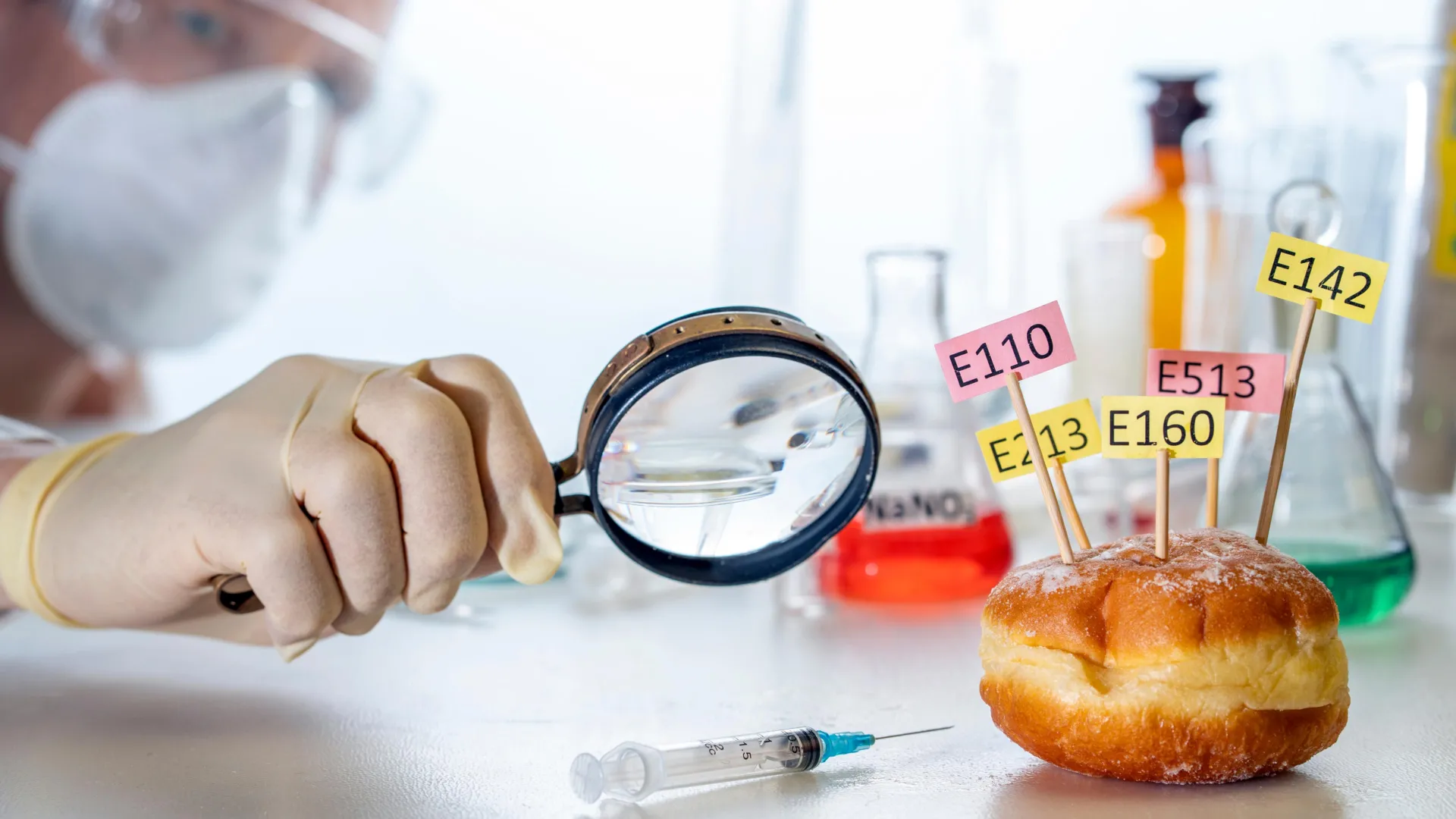
A comprehensive study conducted in France has revealed a potential link between the consumption of certain food preservatives and an increased risk of cancer. Published on January 27, 2026, by the BMJ Group, the research tracked over 105,260 participants over a decade, finding that higher intake of specific preservatives, notably potassium sorbate and sodium nitrite, correlates with elevated cancer risk.
Food preservatives are commonly used in processed foods and beverages to extend shelf life and prevent spoilage. Despite their widespread use, the study highlights the need for a closer examination of food safety regulations. Researchers advocate for further investigations into the long-term health effects of these additives, suggesting that current safety standards may require reassessment to better protect consumers.
Understanding the Study
The study focused on participants aged 15 and older, all of whom were cancer-free at the outset. Each participant provided detailed dietary records over an average of 7.5 years, allowing researchers to analyze any correlation between the consumption of preservatives and cancer diagnoses. By the end of the study, 4,226 cases of cancer were identified, including notable instances of 1,208 breast cancers and 508 prostate cancers.
Researchers investigated a total of 17 preservatives, including citric acid, lecithins, and sodium ascorbate, categorizing them as either non-antioxidants or antioxidants. Non-antioxidants, which inhibit microbial growth, showed a significant association with cancer risk, particularly potassium sorbate and sodium nitrite.
Key Findings on Preservatives
The analysis revealed that while many preservatives did not demonstrate a connection to cancer risk, several were associated with increased incidences. For instance, potassium sorbate was linked to a 14% increase in overall cancer risk, with a staggering 26% higher risk for breast cancer. Sodium nitrite was associated with a 32% higher risk of prostate cancer. Other preservatives, including potassium nitrate and acetic acid, also showed similar trends.
The researchers noted that while the findings are concerning, the study remains observational. They emphasize that these results cannot definitively establish causation, as other unmeasured variables may have influenced the outcomes.
The researchers stated, “This study brings new insights for the future re-evaluation of the safety of these food additives by health agencies, considering the balance between benefit and risk for food preservation and cancer.”
The implications of these findings extend beyond individual health concerns to broader regulatory discussions. The researchers urge both consumers and manufacturers to reconsider the role of preservatives in food production. They recommend opting for freshly prepared and minimally processed foods whenever feasible.
A related editorial by researchers in the United States acknowledged the benefits of preservatives, such as enhanced shelf life and reduced food costs, particularly for lower-income populations. Nonetheless, they argue that the current usage of these additives often lacks adequate monitoring and calls for a more balanced regulatory approach. Suggested measures include stricter limits on preservative use, improved labeling, and mandatory disclosure of additive content.
These findings, derived from the NutriNet-Santé cohort, could prompt regulators to revisit existing food safety policies. As public health guidelines increasingly advocate for reduced intake of processed foods and alcohol, the conversation about food additives is likely to intensify, emphasizing the need for informed consumer choices and regulatory scrutiny.