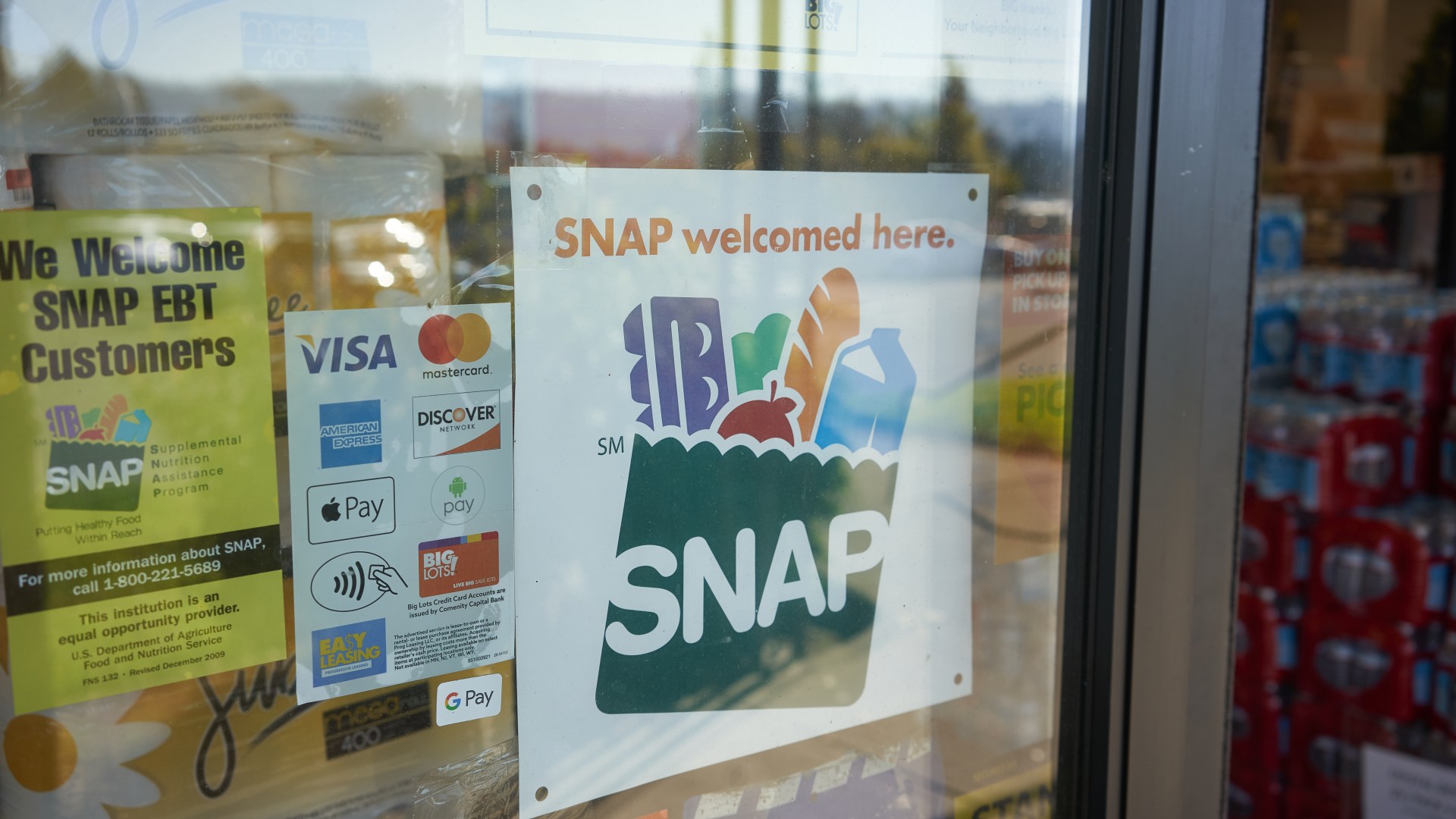
Several significant changes to the Supplemental Nutrition Assistance Program (SNAP) are now in effect as of January 1, 2026. These modifications impact millions of recipients across the United States, with some seeing an increase in benefits while others may entirely lose their support. The SNAP program serves approximately 42 million Americans each month, providing essential funds to help families purchase nutritious food and beverages.
Benefit Adjustments and Cost-of-Living Increases
One of the most notable changes affects benefit amounts for all states as a result of the cost-of-living adjustment (COLA), which increased from 2.5% in 2025 to 2.8% in 2026. Under the new guidelines, a single-person household in Washington D.C. and the lower 48 states will see monthly benefits capped at $298. Two-person households will receive $546, while families of four will have a cap of $994 on their monthly benefits.
In regions like Hawaii, Alaska, Guam, and the Virgin Islands, benefits will be higher, with families of four receiving up to $1,689 in Hawaii, $1,465 in Guam, and $1,278 in the Virgin Islands. The maximum benefit for a family of four will range from $1,285 to $1,995 depending on whether they live in urban or rural areas.
Changes to Utility Cost Calculations and Work Requirements
Another modification involves the inclusion of internet costs in the calculation of standard utility allowances (SUAs). This rule, which extends into 2026, allows state agencies to consider internet expenses as essential for modern households. This change, part of the broader One Big Beautiful Bill Act (OBBA) enacted by President Donald Trump, aims to ensure that low-income families can maintain eligibility for benefits that may otherwise be lost.
Additionally, the OBBA introduced stricter work requirements for able-bodied adults without dependents (ABAWDs). Individuals aged 18 to 64 must now work at least 80 hours per month to qualify for benefits. Previously, this requirement applied only to individuals aged 18 to 54. Those failing to meet these work hours will be limited to receiving benefits for three months within a three-year period. The new regulations also removed exemptions for veterans, unhoused individuals, and young adults in foster care, and narrowed the caregiver exemption to parents with children under the age of 14.
Restrictions on Purchases and Administrative Changes
Beginning in 2026, several states will restrict the types of food that SNAP recipients can purchase with their benefits. As of January 1, states such as Indiana, Iowa, Nebraska, West Virginia, and Utah will prohibit the use of benefits for soda and other sugary drinks. This trend may expand, as states like Florida are considering additional bans on energy drinks and prepared desserts.
On the administrative side, changes will affect state budgets significantly. Currently, states fund 50% of SNAP’s administrative costs, with the federal government covering the rest. However, starting in October 2026, states will need to contribute 75%. This may compel states to reevaluate their SNAP operations, possibly leading to reductions in services or funding from other programs to accommodate the increased costs.
Elimination of SNAP-Ed Program
Lastly, the federally funded SNAP-Ed program, which provided free nutrition education aimed at helping low-income individuals make healthier choices, has been discontinued as of September 30, 2023. Some states have completely ended their SNAP-Ed programs, while others are attempting to stretch remaining funds until they fully cease operations. States that received extensions must use remaining funds by September 30, 2026, according to the National Association of Counties.
These changes to the SNAP program reflect ongoing efforts to adapt to economic realities and nutritional needs. As such, they will have a direct impact on the lives of millions of Americans who depend on these benefits for their food security.