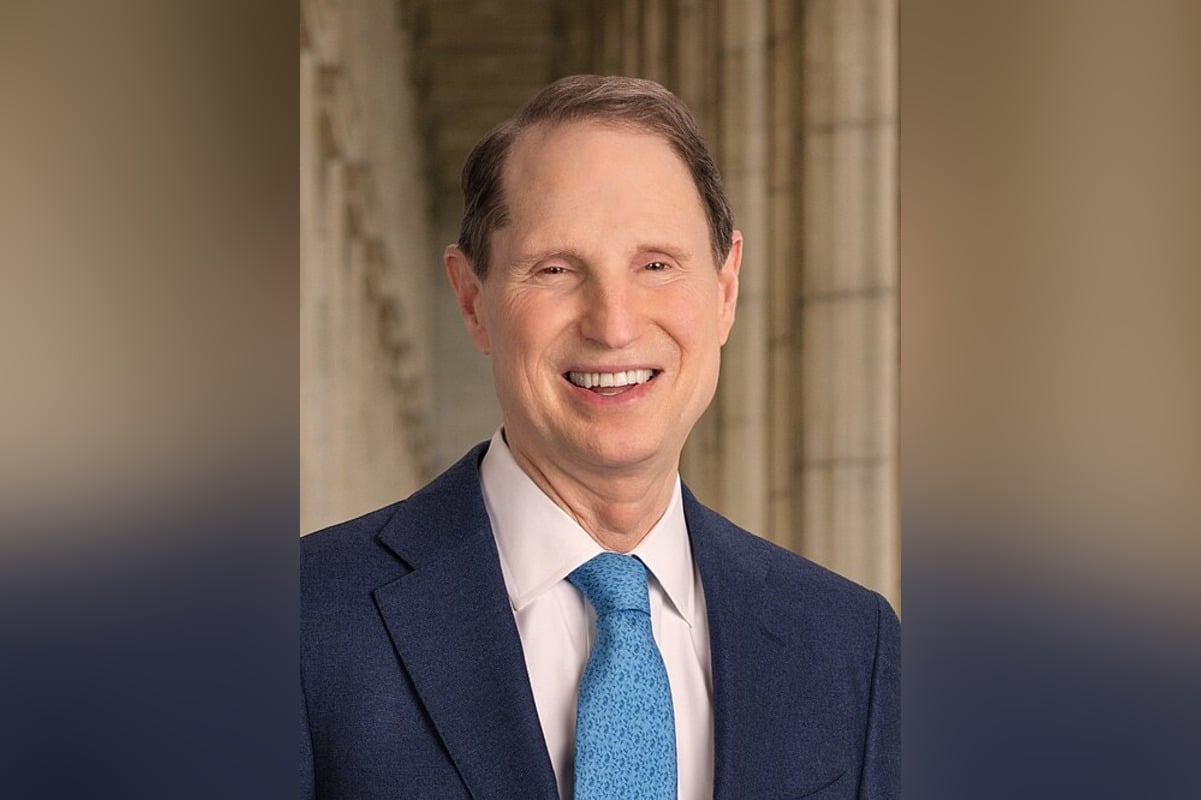
U.S. Senators Ron Wyden and Jeff Merkley have raised urgent concerns regarding the future of mental health care services in Malheur County, Oregon. In a recent letter addressed to local health care providers, they highlighted the potential loss of critical support for nearly 800 Oregon Health Plan recipients due to upcoming changes in coordinated care organization (CCO) coverage. These changes are linked to significant cuts in Medicaid funding, which the senators attribute to what they describe as the Republicans’ “Big Ugly Bill.”
The senators’ correspondence, made public on wyden.senate.gov, emphasizes the dire implications of nearly $4 billion in Medicaid reductions for rural communities across Oregon. They expressed particular concern for the vulnerable populations in the area, where a substantial proportion of recipients are children and many belong to Hispanic or Latino communities. The senators conveyed their awareness of the challenging circumstances health care organizations face during this transition.
In their letter, Wyden and Merkley addressed Greater Oregon Behavioral Health, Inc. (GOBHI) CEO Ann Ford and Eastern Oregon CCO CEO Sean Jessup, urging them to maximize access to a variety of mental health providers. They stressed the necessity of facilitating patient transitions and maintaining continuity of care during this period of uncertainty. The senators also questioned GOBHI’s ability to manage the expected adjustments and called for clarity on how the organization plans to address the impending disruption in services.
Concerns Over Provider Availability
The letter raised alarms over the potential reduction in available mental health and substance use disorder providers in Malheur County. As the senators pointed out, the area is already grappling with a shortage of services, and the prospect of decreasing the number of providers from four to one poses a serious threat to community health care. They emphasized that many of those affected are children, making the situation even more critical.
Wyden and Merkley are demanding answers about the decision-making processes behind these network changes. They are particularly interested in how GOBHI intends to mitigate disruptions for residents who rely on these essential services. Their request for information includes a deadline of January 9, 2026, underscoring the urgency of the matter.
In their letter, the senators reaffirmed their commitment to advocating for the health care needs of Malheur County residents. “We will keep fighting to repeal these devastating cuts to health care for Malheur County and the countless other communities for which the Oregon Health Plan is a lifeline,” they stated. Their pledge reflects a determination to ensure that constituents facing significant challenges receive the support they need.
As the situation develops, community leaders and residents await responses from GOBHI and Eastern Oregon CCO. The hope is that these answers will provide insight into future measures aimed at safeguarding access to mental health services. The stakes are high, as the continuity of care is essential not only for individual well-being but also for the overall health of a community that relies heavily on the Oregon Health Plan.
The senators’ proactive approach highlights the crucial intersection of health care policy and community welfare, emphasizing the need for immediate action to protect those who depend on these vital services.