Many individuals face challenging dynamics in their relationships, especially when mental health issues come into play. A reader, known as Alone, has expressed deep concern about her boyfriend’s worsening moodiness after nine years together. She describes a relationship where her partner’s unpredictable behavior significantly affects their bond, leaving her uncertain about their future.
Initially, Alone found her relationship enjoyable, but her boyfriend’s persistent mood swings have transformed it into a source of distress. His demeanor can shift dramatically, oscillating between kindness and hostility, which raises alarms about potential underlying mental health conditions. Despite her suggestions that he seek professional help, he has declined to pursue any treatment.
The Challenge of Supporting a Partner
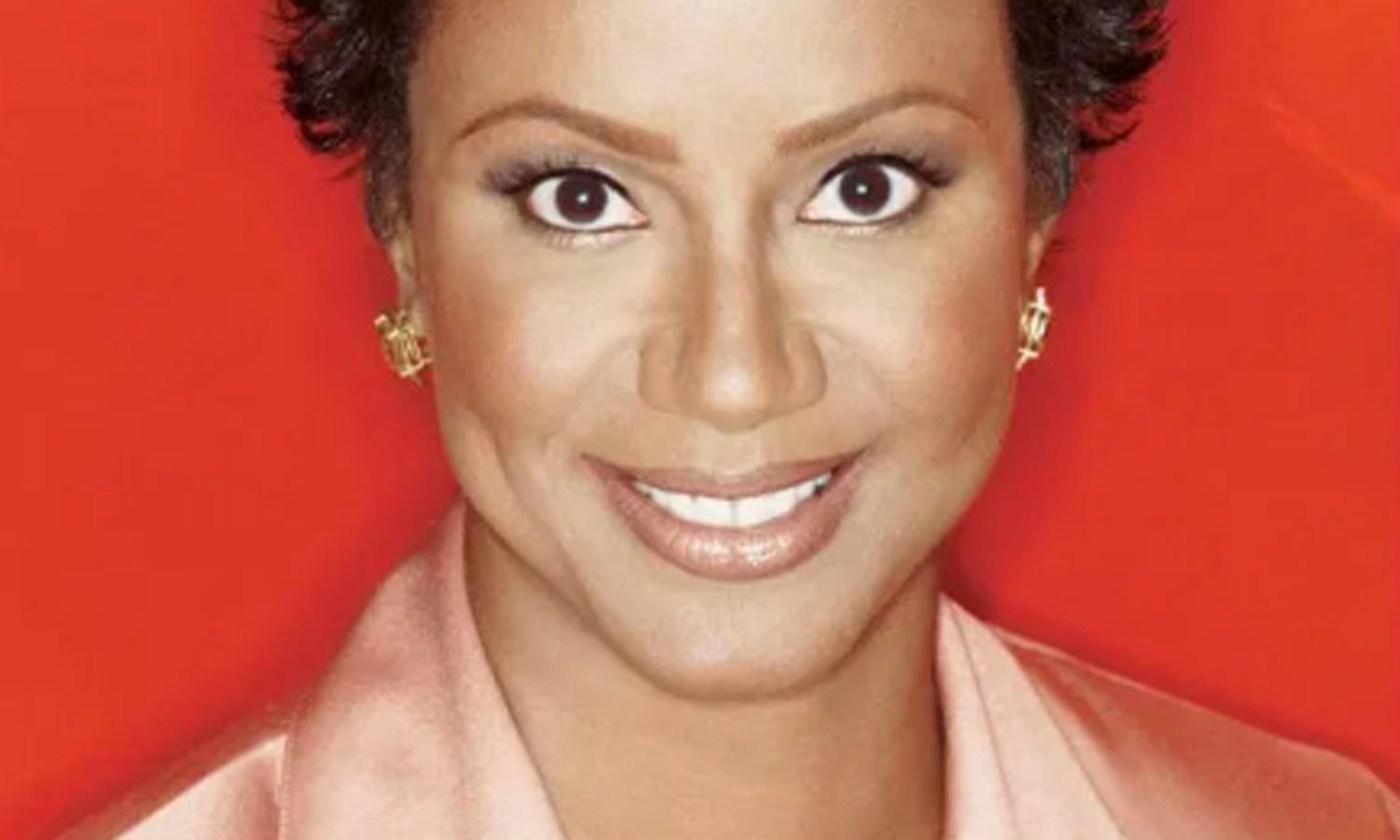
In her letter, Alone grapples with the difficulty of staying in a committed relationship when her partner refuses to acknowledge his issues. She questions whether it is reasonable to consider ending the relationship if he remains unwilling to seek help. Experts, including relationship advisor Harriette Cole, emphasize that therapy can be crucial for resolving such issues. Cole suggests that if a partner is resistant to getting help, it may signify deeper problems that could jeopardize the relationship.
“If your partner is unwilling to get help when it is clear that he has some issues, that is a red flag,” Cole advises.
She encourages Alone to consider giving her boyfriend an ultimatum: seek professional assistance or face the end of their relationship. This approach could serve as a wake-up call, as Cole shared a story of a couple who separated due to addiction issues. Following the breakup, the partner recognized the need for change, sought treatment, and ultimately, the couple was able to reconcile and marry.
Reaching Out for Mental Health Support
In another letter, a reader known as Unhappy Friend seeks advice on how to support a friend who expressed feelings of hopelessness online. After seeing her friend’s troubling post, Unhappy Friend reached out immediately, but her friend was hesitant to engage. This situation highlights the importance of taking mental health seriously and being present for those in distress.
According to Cole, it is essential for Unhappy Friend to maintain an open line of communication without judgment. Listening to her friend’s struggles, acknowledging her feelings, and expressing empathy are crucial steps in offering support. Cole encourages regular contact to reassure the friend that she is not alone in her struggles.
If the situation escalates and there is a concern for immediate danger, Cole recommends encouraging the friend to connect with the 988 Suicide & Crisis Lifeline. This resource provides accessible support for anyone experiencing suicidal thoughts or feelings of despair. The helpline offers 24/7 assistance and can be reached by calling or texting 988.
For those who may be struggling with similar issues, it is vital to seek help. Resources like the 988 Lifeline can provide critical support and guidance. As mental health awareness continues to grow, encouraging conversations around these topics can lead to better outcomes for individuals and their loved ones.
As individuals navigate the complexities of relationships impacted by mental health, open communication and professional support remain key components in fostering healthy connections. Seeking help is not a sign of weakness but rather an essential step towards healing and understanding.
For further inquiries or personal advice, readers can reach Harriette Cole at [email protected] or through Andrews McMeel Syndication, 1130 Walnut St., Kansas City, MO 64106.