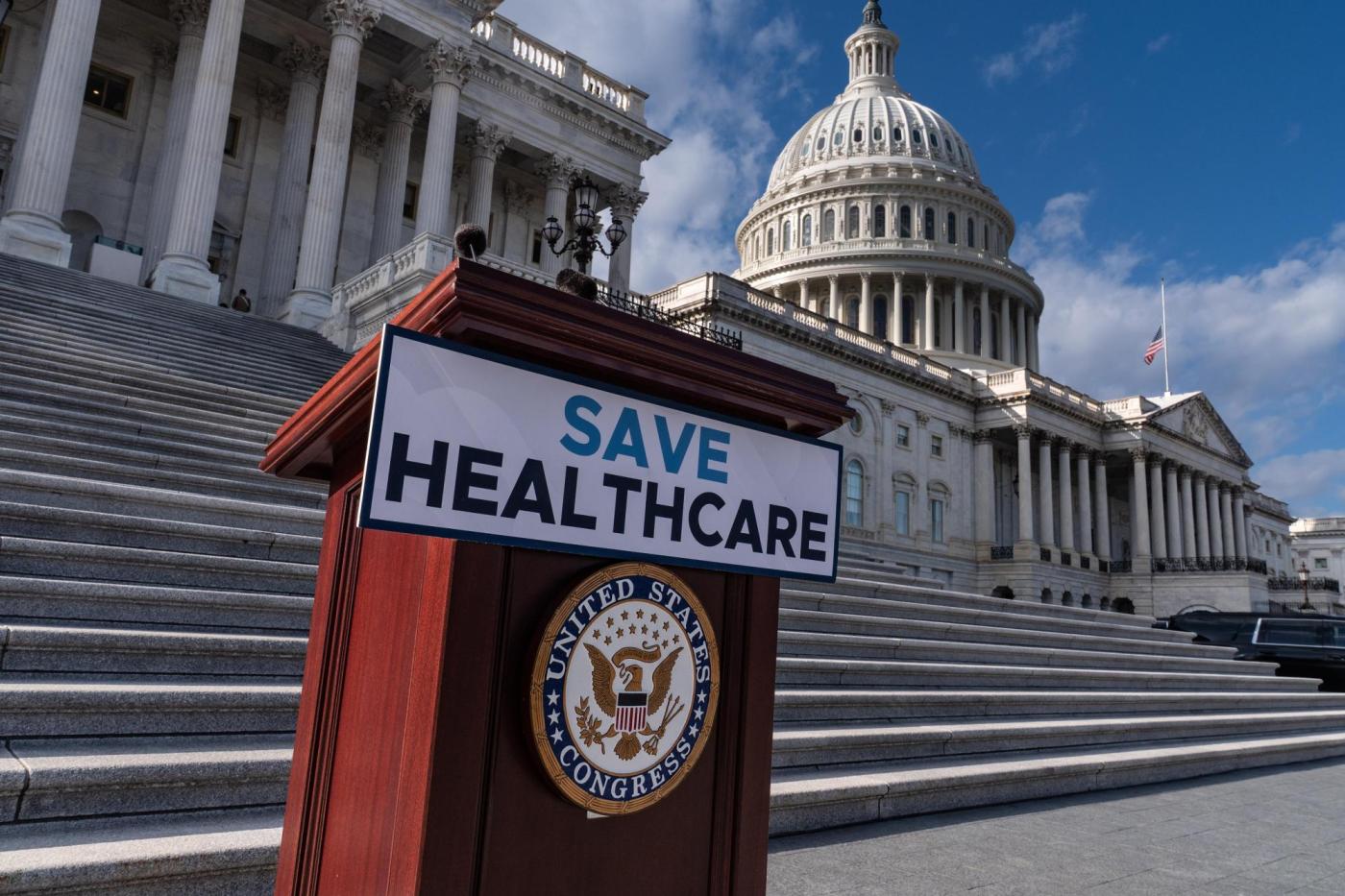
A recent poll conducted by the AP-NORC Center for Public Affairs Research highlights the growing concerns of Americans regarding health care as a top priority for government action in 2026. With approximately 40% of U.S. adults identifying health care as a significant issue, the poll underscores a notable shift in public sentiment compared to previous years.
Many Americans, like Julia Dvorak from Cedar Rapids, Iowa, are feeling the financial strain of health care costs. Dvorak, who is 56 years old, expressed concern over her 83-year-old mother’s frequent emergency room visits for seizures, which she fears may deplete her retirement savings and necessitate reliance on Medicaid. Additionally, Dvorak, who suffers from a chronic knee condition, anticipates increased health costs in the coming year. “I see how it affects me and my loved ones,” she said. “But I also know it’s affecting other people, and it’s getting worse.”
The poll, conducted between December 4-8, 2023, reveals that health care concerns have intensified, particularly after Donald Trump‘s administration made significant cuts to Medicaid and terminated pandemic-era subsidies for the Affordable Care Act. These policy changes are expected to result in higher costs for millions of Americans, potentially making health care a central issue in the upcoming midterm elections.
Health Care Surges as a Priority
The findings indicate a significant increase in health care as a priority, with approximately 40% of respondents mentioning it in an open-ended question about government focus areas. This marks a rise from about one-third of respondents last year. Joshua Campbell, a small business owner from Hot Springs Village, Arkansas, highlighted his shock at the escalating health care costs while seeking a medical plan for his daughter. “Health care costs are pretty crazy,” he remarked, stressing the need for better solutions.
The concern over health care is particularly pronounced among adults aged 45 to 59, who often face higher health care expenses than younger individuals yet are not yet eligible for Medicare. The current landscape mirrors the situation Trump faced at the end of his first term, when health care reform was a major concern for many Americans. Moreover, about one-third of respondents also expressed worries about the rising cost of living, a stark contrast to the minimal mention of such concerns in 2017.
Inflation and Living Costs Remain Pressing Issues
In addition to health care, inflation and the high cost of living remain top priorities for Americans. Since late 2021, these issues have increasingly dominated discussions, particularly among families. Tommy Carosone, a jet aircraft mechanic from St. Peter’s, Missouri, illustrated this by recounting his wife’s struggles with grocery prices. “Every time she comes home from the grocery store, I hear about it,” he said, noting the significant increase in expenses for items like meat.
As the sole wage earner for his family, Carosone is concerned that prices will continue to rise until the trade war concludes. “In the meantime, what are you going to do, not eat?” he questioned, reflecting the sentiment of many Americans grappling with similar financial challenges.
While about 20% of U.S. adults want the federal government to address housing costs, that concern has been especially pronounced among younger adults. Approximately 25% of individuals under 30 wish to see government action on housing expenses, contrasting with around 10% of those aged 60 or older.
In the realm of immigration, the poll indicates a slight decline in concern among Republicans, though it remains a priority for many. Approximately 44% of adults indicated they wanted the government to focus on immigration in 2026, a decrease from last year. Among Democrats, concern appears to be rising, with 40% of respondents highlighting immigration as a significant issue.
The AP-NORC poll surveyed a total of 1,146 adults, offering a representative snapshot of the American public’s priorities as the nation approaches a critical election year. The margin of sampling error for the poll is plus or minus 4 percentage points, providing a reliable reflection of current sentiments regarding government priorities.
As the political landscape evolves, the concerns outlined in this poll could shape the direction of policy-making and campaign strategies leading into 2026, particularly as health care and inflation take center stage in voters’ minds.