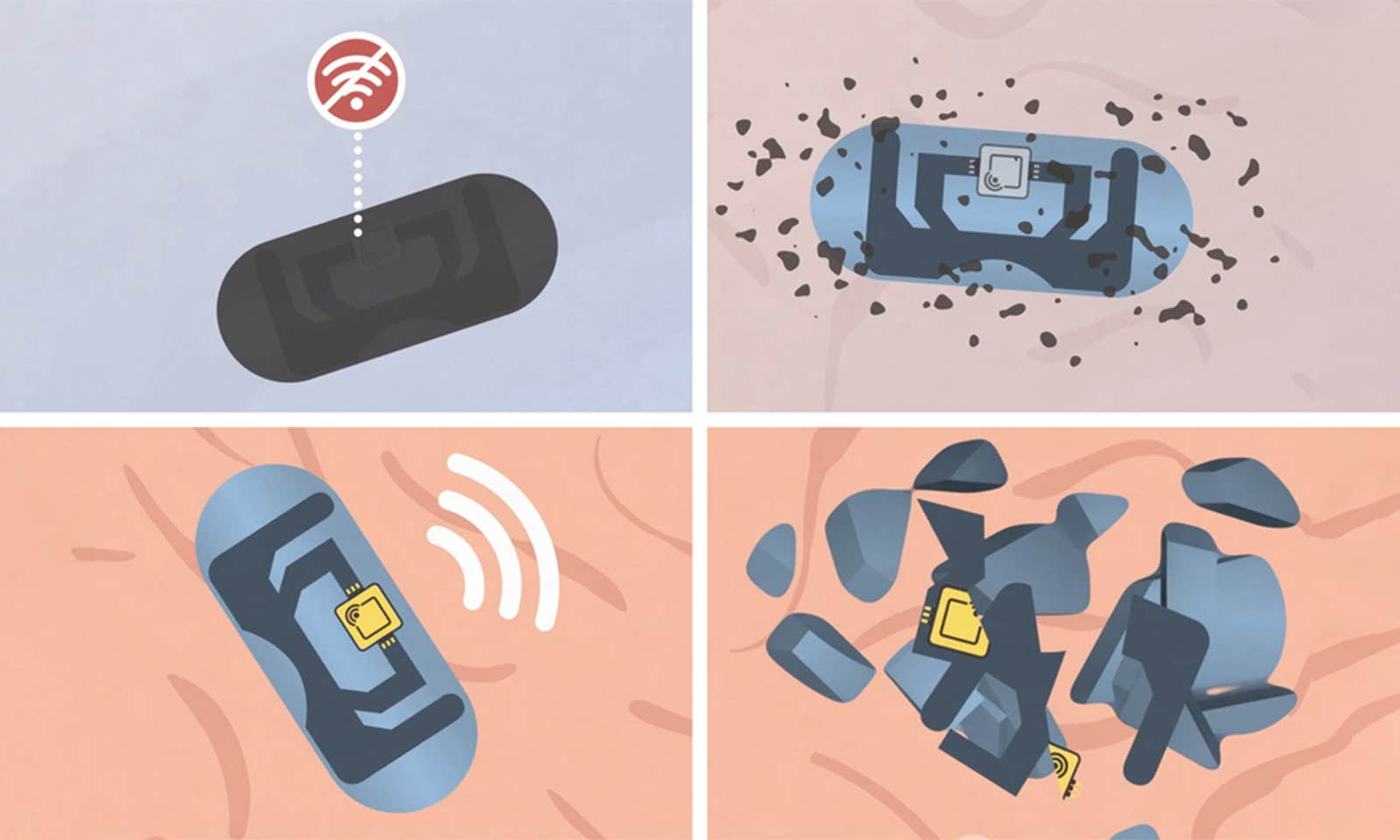
A groundbreaking new system aims to address the critical issue of medication adherence, which contributes to approximately 125,000 preventable deaths annually in the United States alone. Researchers have developed a biodegradable pill that can communicate with healthcare providers shortly after ingestion, potentially transforming how patients manage their medications.
The innovative system features a radio frequency antenna that reports back to doctors, assisting in ensuring patients, especially those with chronic conditions, take their medications as prescribed. According to a study published in Nature Communications, around 50% of individuals with chronic illnesses do not adhere to their medication regimen, leading to severe health consequences.
Enhancing Patient Compliance through Technology
One of the most vital applications of this new technology is for transplant patients who must consistently take immunosuppressive drugs to prevent organ rejection. These medications are crucial for the long-term success of transplants. The system could also support patients undergoing long-term treatments for infections such as tuberculosis or HIV, where adherence to therapy can be life-saving.
“The goal is to ensure that this helps people receive the therapy they need to maximize their health,” said Giovanni Traverso, a physician and engineer at the Massachusetts Institute of Technology. He emphasizes the importance of effective communication between patients and healthcare providers in managing long-term treatments.
Innovative Design Reduces Environmental Impact
Previous attempts at tracking medication adherence have included smart pill bottles and sensor-equipped capsules. However, many of these designs rely on materials that do not break down in the body, contributing to electronic waste and potential health risks. In contrast, this new system is designed to be both eco-friendly and efficient.
Most components of the pill dissolve in the stomach within a week, with a micrometer-sized radio frequency chip exiting the body through the digestive tract. The antenna, constructed from zinc and enclosed in cellulose, along with a capsule made from gelatin coated with cellulose, are known to be safe and are commonly used in medical applications. The capsule also features materials that block radio signals until it begins to degrade in the stomach.
Experiments conducted in pigs, whose gastrointestinal tracts are comparable to humans, demonstrated the system’s effectiveness. The radio frequency signal was successfully transmitted from within the stomach to a receiver located up to two feet away, confirming the device’s functionality.
The research team noted, “These findings highlight the system’s potential to improve patient adherence tracking without introducing significant logistical burdens or ecological impact.” This promising technology could pave the way for a new era of medication management.
Future developments could include a wearable device that receives data from the pill and sends it to healthcare providers. The research team aims to conduct further studies before testing the concept in humans. They emphasize that the system is not intended for mass distribution but rather for situations where strict adherence to medication is critical for health outcomes.
“We want to prioritize medications that, when non-adherence is present, could have a really detrimental effect for the individual,” Traverso added. As research progresses, this innovative system may significantly improve patient health outcomes and reshape the landscape of medication adherence.