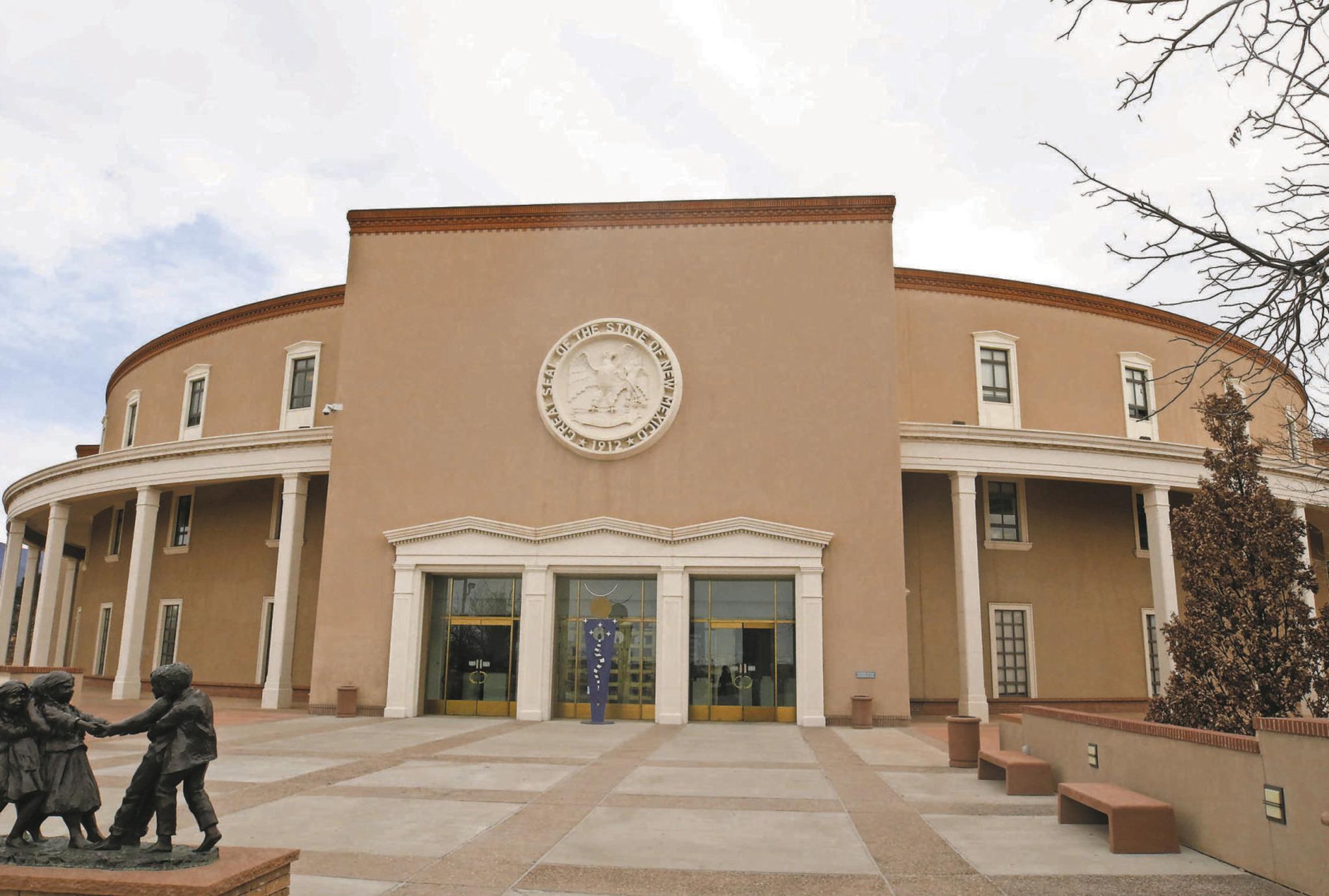
The state of New Mexico has made significant strides in medical malpractice reform, marking a pivotal moment in public policy for the region. Following the recent passage of legislation aimed at improving accountability in the healthcare system, advocates are recognizing this achievement while emphasizing that additional measures are necessary to ensure comprehensive patient protection.
Paul J. Gessing, a prominent figure in the advocacy for these reforms, has hailed the legislation as the most critical public policy success in New Mexico in over a decade. This reform, which addresses key issues related to patient safety and healthcare transparency, aims to better protect patients from potential medical negligence. Gessing argues that while the reform is a positive step, further action is essential to bolster the state’s healthcare framework.
The newly enacted laws seek to streamline the process for patients who have experienced medical malpractice, making it easier for them to seek justice and compensation. This legislative change comes in response to ongoing concerns regarding the quality of care and the need for enhanced accountability among healthcare providers. The reforms are designed not only to empower patients but also to encourage healthcare professionals to uphold higher standards of care.
Legislators in New Mexico have expressed optimism about the potential impact of these reforms on public safety and the overall healthcare environment. By creating a more robust legal framework for addressing malpractice claims, the state hopes to mitigate the risks patients face when receiving medical treatment.
Despite this progress, Gessing and other advocates stress that the fight for patient safety is far from over. They are calling for ongoing dialogue among lawmakers, healthcare professionals, and the public to address remaining gaps in the system. The focus must now shift to ensuring that the reforms are effectively implemented and that further legislative measures are considered to protect patients comprehensively.
As the healthcare landscape continues to evolve, New Mexico’s experience serves as a vital case study for other states grappling with similar issues. The success of the recent reforms could pave the way for more comprehensive changes nationwide, highlighting the importance of proactive policy-making in the realm of healthcare.
In conclusion, while the passage of medical malpractice reform in New Mexico signals a notable victory for advocates and patients alike, it also underscores the need for continuous efforts to enhance the safety and quality of healthcare services throughout the state and beyond. The journey toward a more accountable healthcare system is ongoing, and the commitment to this cause remains strong among advocates and policymakers.