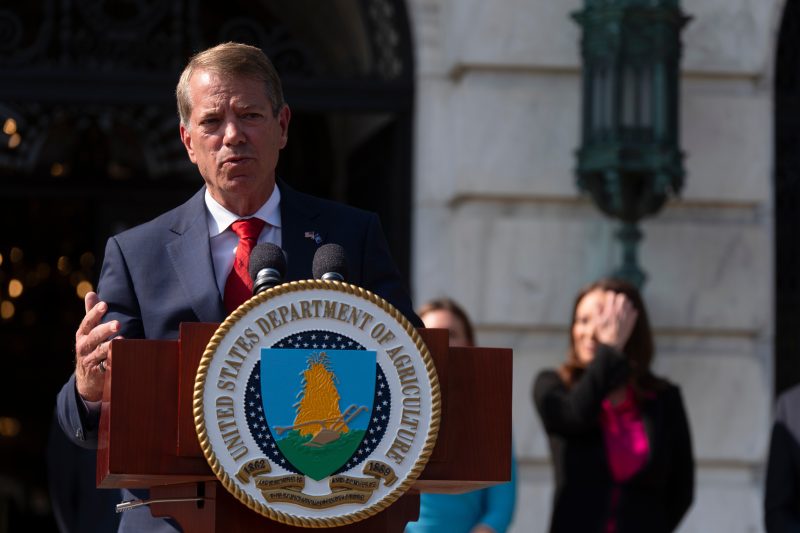
Nebraska is set to implement new work requirements for certain Medicaid recipients, marking a significant shift in health policy as it becomes the first state in the United States to adopt such measures. This initiative, which is part of a broader trend towards work-related requirements for public assistance programs, stems from legislation signed into law by former President Donald Trump in October 2018.
The new policy, scheduled to take effect in January 2024, will require individuals aged 19 to 49 who are receiving Medicaid to fulfill specific work-related obligations. These obligations may include holding a job, volunteering, or participating in educational programs. The aim is to encourage self-sufficiency among participants while reducing reliance on government assistance.
Critics of the policy argue that imposing work requirements may adversely affect some of the most vulnerable populations. Advocates contend that such measures will promote job growth and economic empowerment. According to the U.S. Department of Health and Human Services, this initiative is designed to help individuals transition into the workforce, potentially decreasing the overall number of people on Medicaid over time.
Details of the Work Requirements
Under the new regulations, Medicaid recipients in Nebraska will be required to work a minimum of 20 hours per week or engage in equivalent activities. Exceptions will be made for individuals who are pregnant, disabled, or caring for dependents. Nebraska’s approach reflects a growing trend among various states to implement work requirements for Medicaid, following similar policies in states such as Arkansas and Kentucky.
The state’s Department of Health and Human Services has indicated that it will offer resources and support to help individuals meet these new requirements. This includes job training programs and partnerships with local organizations aimed at fostering employability among Medicaid recipients. Nebraska officials believe that implementing these requirements will lead to a healthier workforce and ultimately benefit the state’s economy.
Potential Impacts and Reactions
The introduction of work requirements has sparked a range of reactions from various stakeholders. Supporters, including some state legislators, view this as a necessary step towards encouraging personal responsibility and reducing dependency on government programs. They argue that such policies can lead to increased employment rates and improved economic conditions.
Conversely, opponents express concerns about the potential exclusion of individuals who may face barriers to employment, such as lack of transportation or childcare. Ben Nelson, a former governor of Nebraska, emphasized the importance of ensuring that vulnerable populations are not left behind as these policies are enacted. “We must balance the need for accountability with compassion for those who genuinely need assistance,” he stated.
As Nebraska prepares to roll out these work requirements, the implications for both Medicaid recipients and the state’s healthcare system remain to be seen. The outcome of this initiative could serve as a precedent for other states contemplating similar measures. Observers will closely monitor the policy’s impact on health outcomes, economic participation, and overall public sentiment regarding government assistance programs.