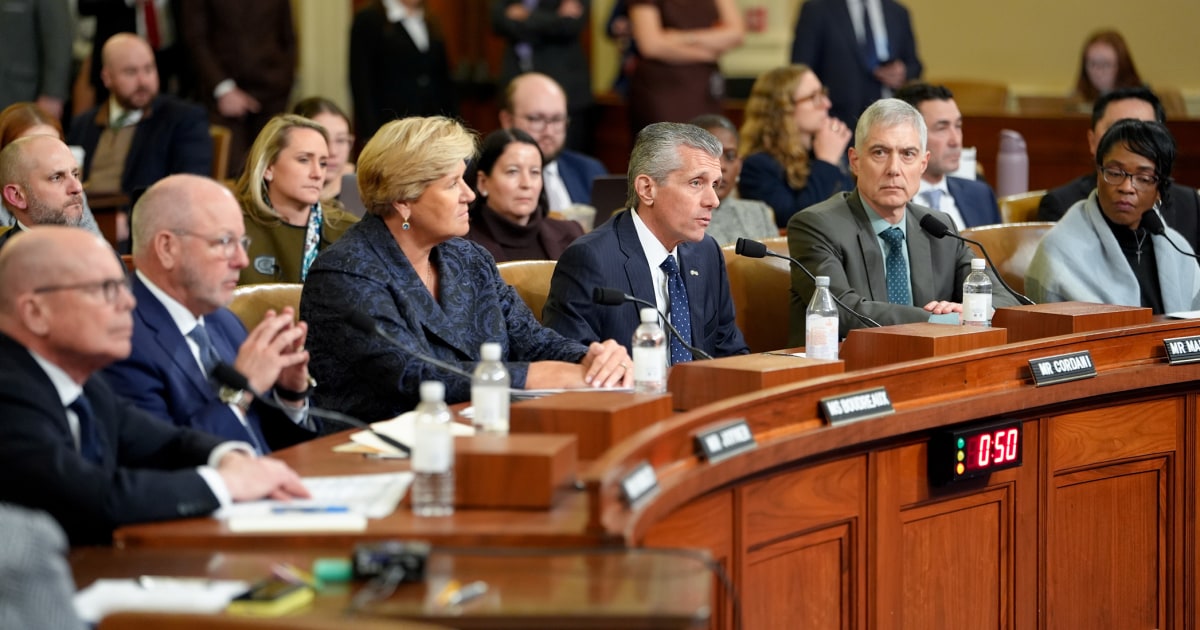
Lawmakers in Washington held intense hearings on March 14, 2024, confronting the CEOs of major health insurance companies over rising costs affecting millions of Americans. Representatives from UnitedHealth Group, CVS Health, Cigna Health, Elevance Health, and Ascella Health faced scrutiny from members of both the House Energy and Commerce Committee and the House Ways and Means Committee regarding significant premium increases, prior authorization rules, and claim denials.
The hearings come as health insurance premiums have surged dramatically, particularly for those enrolled through the Affordable Care Act (ACA). According to representatives, the expiration of enhanced subsidies at the end of 2025 has led to premiums doubling or tripling for many. Additionally, individuals with job-based insurance have also experienced rising costs, which insurers attribute to escalating prices for prescription drugs and hospital care.
“Millions of Americans across the nation have seen their health care premiums skyrocket,” stated Rep. Debbie Dingell, a Democrat from Michigan. She emphasized the disconnect between the soaring costs faced by consumers and the record profits reported by these insurance companies. Similarly, Rep. Jodey Arrington, a Republican from Texas, expressed concern, stating, “It’s crushing over families, it’s a drag on our economy and it’s a threat to my children’s future.”
In response to the mounting criticisms, the CEOs defended their practices, asserting that rising premiums reflect increased costs throughout the health care system. They argued that the insurance industry operates in a competitive environment and would have no incentive to impose prices above what consumers can afford. “We work every day to lower the cost of health care,” said David Cordani, CEO of Cigna.
The hearings also highlighted the growing influence of pharmacy benefit managers (PBMs), which play a crucial role in determining drug coverage. During the session, Rep. Alexandria Ocasio-Cortez questioned the market concentration created by insurance companies acquiring PBMs. CVS Health, for example, owns Aetna and CVS Caremark, while UnitedHealth Group owns UnitedHealthcare and Optum. “Mr. Joyner, that is quite a bit of market concentration,” Ocasio-Cortez remarked to David Joyner, the CEO of CVS Health. Joyner responded, “It’s a model that works really well for the consumer.”
The scrutiny extended to executive compensation as well. Rep. Buddy Carter of Georgia raised concerns over reports that CVS had compensated Joyner with $41 million in 2024, questioning how such a salary could be justified in light of rising costs for consumers.
Lawmakers also shared personal stories of constituents impacted by insurance decisions. Rep. Kim Schrier, a Democrat from Washington, recounted an instance where a constituent was denied coverage for hospitalization after suffering a stroke, calling the situation “unconscionable and shameful.” She directed her comments towards Stephen Hemsley, CEO of UnitedHealth Group, stating, “This is why so many people hate their insurance company.”
These hearings mark the beginning of an anticipated series aimed at investigating the underlying causes of escalating health care costs. While both parties expressed criticism towards the insurance companies, they also pointed fingers at each other regarding responsibility for the current crisis. Republicans attributed the issue to the ACA, while Democrats accused their counterparts of using the hearings as a distraction from failing to take action on rising premiums.
“Obamacare prices have only gone up, not down,” stated Rep. Jason Smith, a Republican from Missouri, during his opening remarks. In contrast, Rep. Frank Pallone, Jr., the ranking member of the Energy and Commerce Committee, placed blame on congressional Republicans and former President Donald Trump for the ongoing affordability crisis.
Last week, Trump unveiled his long-awaited health care plan, which has faced criticism for lacking concrete details. As these hearings unfold, the focus remains on how to address the challenges facing the health care system and the impact on everyday Americans.