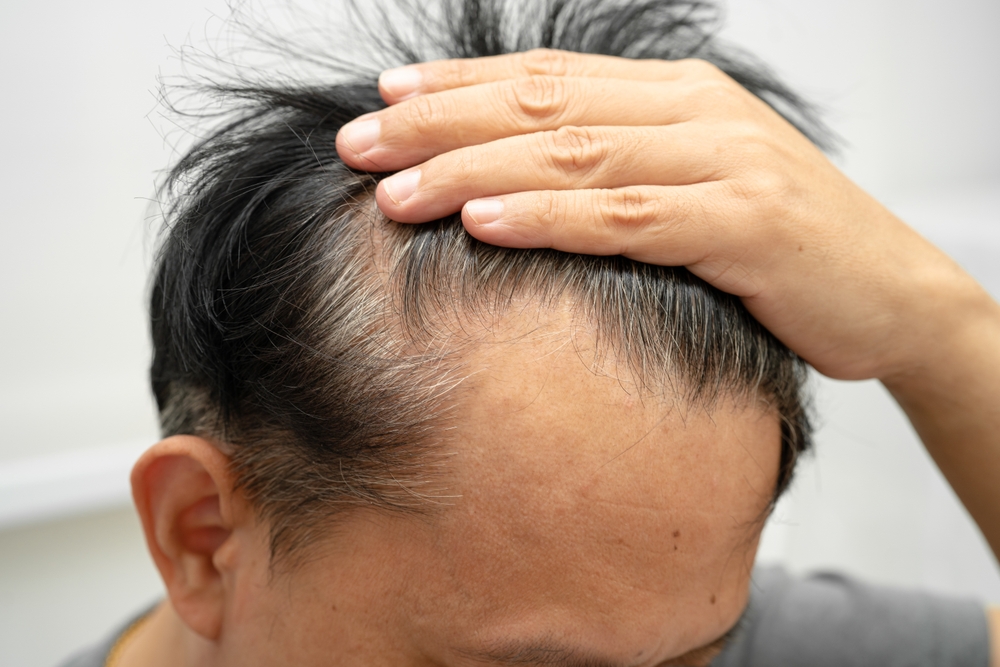
Jensen Huang, the CEO of Nvidia, has recently attracted attention for his decision to embrace his gray hair. In an interview, he expressed a desire to present “the natural look appropriate for his age,” indicating that his gray hair has become a personal hallmark rather than a sign of aging. As he opts against dyeing it, Huang’s choice invites discussion about the health implications associated with early-onset gray hair.
According to traditional Chinese medicine (TCM), gray hair can be linked to various health issues, particularly deficiencies in the body. TCM identifies three primary causes that may contribute to hair damage and discoloration: kidney deficiency, blood deficiency, and emotional stress.
Understanding Kidney Deficiency
In TCM, the kidneys are considered vital for overall health and vitality. A TCM saying emphasizes that “the luster of hair is the manifestation of the kidneys,” suggesting that hair quality is directly linked to kidney function. When kidney qi, or vital energy, is deficient, individuals may experience not only gray hair but also thinner, brittle strands and increased hair loss.
Symptoms such as lower back pain, memory decline, and frequent nighttime urination may also indicate kidney deficiency. This holistic approach underscores the interconnectedness of bodily health and external appearance.
The Role of Blood Deficiency
Another important factor in hair health is blood deficiency. TCM posits that “hair is the excess of blood,” meaning a robust blood supply is crucial for maintaining vibrant hair. When blood circulation is inadequate, hair follicles can become deprived of necessary nutrients, leading to dullness and premature graying.
This concept can be likened to a garden: without sufficient nourishment, plants struggle to thrive. Similarly, hair that lacks adequate blood supply may not only lose its luster but may also lead to further hair loss over time.
As Jensen Huang navigates his public image, his decision to keep his gray hair raises intriguing questions about societal perceptions of aging and health. While many individuals may choose to dye gray hair in an effort to conform to traditional beauty standards, Huang’s choice highlights an alternative perspective that embraces natural aging.
Incorporating dietary therapy and daily scalp massages is suggested within TCM to nourish hair and potentially restore its color. Such practices may provide a more holistic approach to hair care, emphasizing the need to address underlying health issues rather than solely focusing on cosmetic solutions.
As conversations surrounding beauty standards and health continue to evolve, Huang’s stance serves as a reminder of the broader implications of personal choices regarding appearance. Embracing one’s natural features may not only reflect confidence but could also signify a deeper understanding of the body’s signals and the importance of overall health.