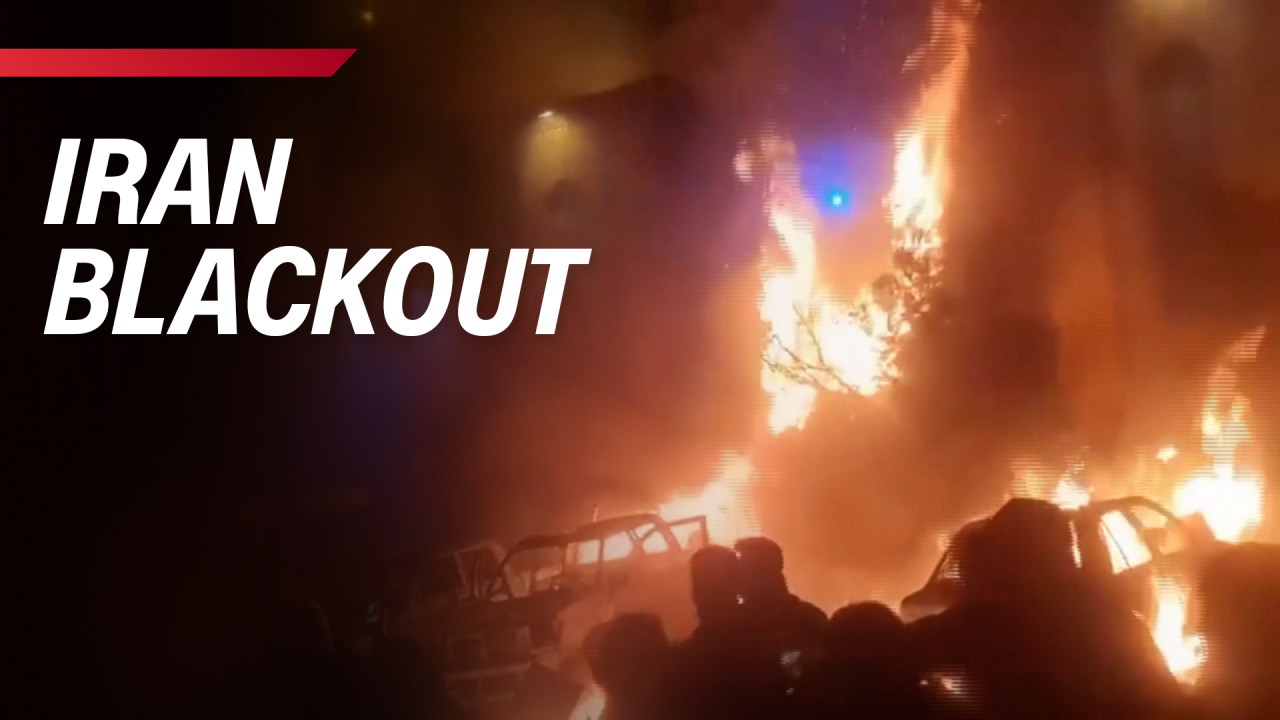
Protests in Iran entered their second consecutive day of heightened unrest as authorities imposed a nationwide internet blackout. The protests, which have persisted for over ten days, stem from widespread frustration over rising inflation and dissatisfaction with the conservative government. Exiled opposition figure Reza Pahlavi, the son of Iran’s last king, has called for a two-day nationwide strike beginning on Saturday, December 30, 2023, targeting essential sectors such as transportation, oil, gas, and energy.
In a video address shared on social media platform X, Pahlavi urged workers to halt operations and join demonstrations aimed at reclaiming public spaces across the country. He stated, “The goal is to prepare to seize city centers and hold them,” reinforcing the significance of Friday’s protests as a strong message to the Iranian leadership. The impact of Pahlavi’s call to action remains uncertain, particularly regarding his popularity among the Iranian populace, as he was only 16 years old when the 1979 Islamic Revolution ended his father’s 40-year reign.
The internet blackout, which has now lasted over 36 hours, has severely restricted communication for many Iranians. According to monitoring organization NetBlocks, authorities initiated the blackout following mass demonstrations in the capital, Tehran, on December 28. As of 08:00 local time on Saturday, residents were still grappling with limited access to online platforms and phone services, hindering their ability to connect with loved ones during this period of unrest.
The protests were initially triggered by rampant inflation and growing anger toward the Iranian government and its security forces. They reflect broader discontent with the ruling establishment, which faces increasing pressure from its citizens over economic hardship and political repression.
As the situation unfolds, the international community watches closely, keeping a keen eye on developments within Iran. The ongoing protests and the government’s response, including the internet blackout, highlight the complex dynamics of public dissent in the face of authoritarian governance.