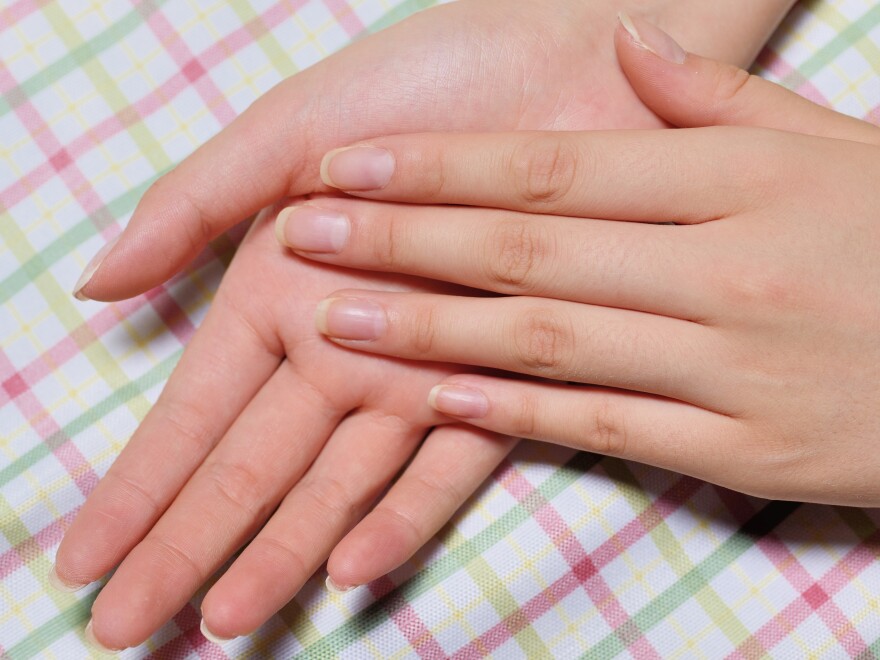
Caring for nails often takes a backseat to other beauty routines, but professionals stress that nails deserve more attention. According to Titilayo Bankole, a professional nail technician, many people overlook nail care in favor of hair and skin, yet healthy nails are crucial for daily tasks. She emphasizes that nails play a functional role in our lives, pointing out that losing a nail can make simple actions, such as picking up a coin or buttoning a shirt, nearly impossible.
Dr. Shari Lipner, a professor of clinical dermatology and director of the nail division at Weill Cornell Medical Center, highlights the importance of maintaining nails through proper hygiene and regular inspections. Neglecting nail care can lead to brittle nails, painful hangnails, and even infections. For example, untreated fungal infections can be highly contagious, potentially spreading to other areas of the skin.
Seven Key Practices for Nail Care
To promote nail health, experts recommend integrating the following seven habits into your body care routine:
1. **Respect the Cuticle**: The cuticle serves as a protective barrier against bacteria and fungus. Dr. Dana Stern, a dermatologist and nail specialist, advises against cutting or removing cuticles. Instead, gently push them back with a washcloth after a shower to maintain their protective function.
2. **Manage Hangnails Carefully**: Hangnails often result from dry skin around the cuticles. When they occur, use nail clippers or scissors to trim them at the base promptly. Overzealous cutting can lead to further damage, so it’s best to consult a nail technician for any ongoing concerns.
3. **Choose the Right Nail Shape**: Cutting nails straight across rather than in an oval shape can help prevent ingrown nails. Rounded edges can lead to the nail curving into the skin, causing discomfort.
4. **File with Care**: Use a glass or crystal nail file to smooth sharp edges. This type of file helps seal the nail’s edge and reduces the risk of breaks and splits, unlike cardboard emery boards, which can create rough edges.
5. **Break the Nail-Biting Habit**: Nail biting can cause infections and discoloration. Dr. Lipner urges individuals to work on eliminating this habit, as it can also spread warts from the hands to other areas of the body.
6. **Moisturize Regularly**: Keeping nails and surrounding skin hydrated is essential. Bankole recommends using cuticle oil—preferably a mix of grapeseed oil and vitamin E—to nourish nails and prevent dryness. In a pinch, olive oil can also provide adequate hydration.
7. **Take Breaks from Manicures**: Frequent use of acetone-based polish removers can weaken nails, while constant application of nail polish can lead to staining. Consider periodic breaks from acrylics and gels to allow your nails to recover. Regularly inspect your nails for any color or texture changes that may indicate problems.
Understanding Nail Health and Overall Well-Being
The condition of your nails can reflect broader health issues. For instance, Dr. Stern notes that whitish nails might signal a vitamin deficiency or liver disease. Additionally, noticing new moles or unusual changes in your nails should prompt a visit to your primary care doctor or dermatologist.
Nail care extends beyond aesthetics; it is integral to overall health. Regularly examine your nails and ensure they are polish-free during medical check-ups for a comprehensive evaluation. As Dr. Stern succinctly puts it, “The nail is a thousand times more absorptive of water than the skin,” making them susceptible to damage from excessive moisture exposure.
Incorporating these practices into your routine can lead to healthier, stronger nails. By paying attention to nail care, individuals can enjoy not only improved aesthetics but also enhanced functionality in their daily lives.