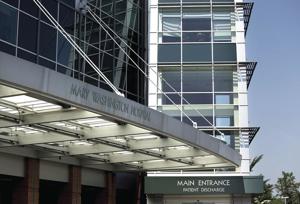
A significant agreement between Florida State University (FSU) and the City of Tallahassee is set to reshape healthcare in the region. The deal, valued at $1.7 billion, involves the sale of the Tallahassee Memorial HealthCare (TMH) campus to FSU. This transition aims to enhance local medical services and reduce the need for residents to travel long distances to access specialist care.
Under the terms of the agreement, the city will sell the TMH campus to FSU for $109 million. This amount will be repaid to the city in annual installments of $3.63 million over a span of 30 years. The deal also commits FSU to invest the substantial sum of $1.7 billion locally over the next three decades. This funding is earmarked for the development of new clinical and research facilities, contingent upon legislative approval for sufficient funding to meet these obligations.
City commissioners will ultimately oversee the progression of this agreement. If successfully implemented, the establishment of an academic medical center in Tallahassee could significantly improve healthcare access and quality for local patients.
A recent poll conducted by Sachs Media and the Tallahassee Democrat revealed that 70% of respondents prioritize “quality of care,” while 61% emphasized the importance of “access to specialists.” Alarmingly, 65% indicated that they or a family member had sought medical care outside of Tallahassee, often due to a lack of available specialists or mistrust in local providers.
The agreement outlines an investment of $250 million by FSU specifically to enhance medical specialization in the region. This initiative aims to reduce the necessity for local residents to seek treatment elsewhere while attracting patients from surrounding areas.
Both Mark McCullough, FSU’s Vice President for Health Affairs, and O’Bryant, the CEO of TMH, have insisted that the collaboration will expand treatment options. They highlighted the potential for local care that would otherwise require travel to institutions like the Mayo Clinic or UF Health.
Despite these optimistic projections, skepticism persists among some local officials. City Commissioner Jeremy Matlow expressed concerns regarding the feasibility of transforming Tallahassee into a medical hub, questioning the city’s ability to compete with larger population centers like Gainesville. He raised doubts about the promise that residents would no longer need to travel for medical care.
In response, O’Bryant acknowledged that while certain high-level procedures may remain unavailable locally, the partnership could facilitate a broader array of services. He emphasized the importance of building a strong reputation and attracting specialists to the area, which would take time.
The initial focus on specialty care will depend on strategic planning and patient volume, according to O’Bryant. An upcoming internal email from TMH hinted at potential areas for specialization, though specific specialties have yet to be determined.
Research initiatives are also a focal point of the agreement. Academic medical centers often lead in innovative treatments and technologies, making them attractive to physicians. This evolution could establish TMH as a teaching hospital, a long-awaited opportunity for FSU medical students.
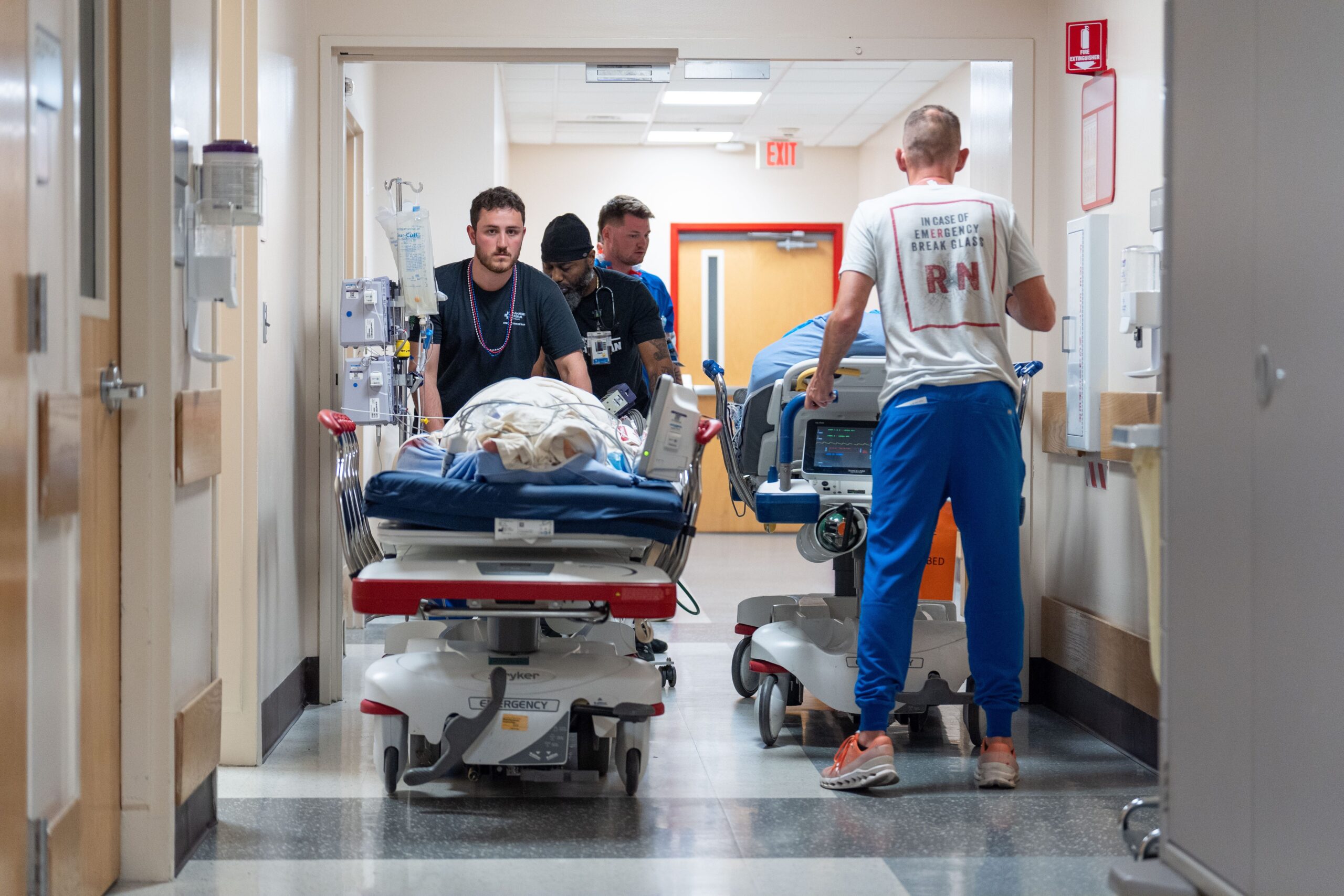
Currently, TMH hosts over 80 physicians across four residency programs: family medicine, internal medicine, general surgery, and psychiatry. Plans to introduce new residency programs, including emergency medicine and cardiology, are under consideration.
Concerns about increasing state influence in healthcare have surfaced as well. Matlow questioned the potential implications of political involvement in patient care, particularly in light of recent state-level healthcare decisions. McCullough reassured that the governance structure would prioritize local leadership rather than political appointments.
The preservation of indigent care remains a top priority in negotiations. Both the city and TMH have included provisions to ensure that charitable care continues. Mark Mustian, an attorney representing the city, emphasized that maintaining indigent care is a crucial requirement for any agreement with FSU.
As part of the transition, a public forum hosted by the NAACP of Tallahassee is scheduled for March 1, 2025, from 3 p.m. to 5 p.m. at Bethel A.M.E. Church. This event aims to foster community discussion regarding the implications of the TMH transfer to FSU.
With this deal, Tallahassee residents hold hope for improved healthcare access and quality, but the path forward will require careful planning and community engagement.