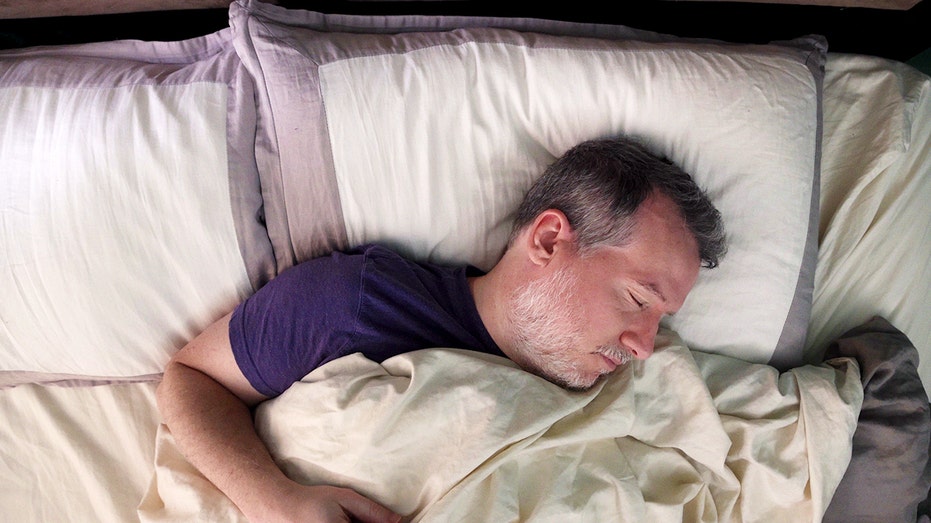
Research indicates that your preferred sleep position may have significant implications for your health. Experts are revealing that common sleeping habits can lead to various issues, including nerve compression, pain, and disrupted sleep. According to Todd Anderson, co-founder of Dream Performance & Recovery based in Nashville, the way people sleep could extend beyond mere discomfort to serious health concerns.
Many individuals choose their sleep positions based on comfort, but this can lead to unintended consequences. Shelby Harris, a clinical psychologist and behavioral sleep specialist, explains that while comfort is crucial, awkward sleeping postures can stress not just nerves but also muscles and ligaments. As our bodies remain static during sleep, these positions can exacerbate discomfort.
Research suggests that sleeping with limbs bent or tucked can compress nerves and hinder circulation. Conditions such as cubital tunnel syndrome, characterized by numbness and shooting pain in the forearm, can worsen when one sleeps with the elbow sharply bent. A 2023 review highlights that such positions are often linked to increased pressure on nerves during the night.
Understanding the Risks of Popular Sleep Positions
While many may think that sleeping on the back is a safer option, it can lead to other issues. The Sleep Foundation notes that this position might increase the likelihood of snoring and acid reflux. Thus, understanding the benefits and risks associated with various sleep postures is essential for overall health.
Conversely, side sleeping is often recommended by researchers and health experts. This position can reduce pressure on the body and is the most common sleeping posture, according to data from the Sleep Foundation.
Moreover, sleeping face down, commonly known as stomach sleeping, can misalign the spine and contribute to back, neck, and shoulder pain. This position requires the head to twist to one side, which can exacerbate discomfort. Despite its association with reduced snoring, it remains the least common sleep position.
Advice from Health Professionals
Guidance from reputable sources like the Mayo Clinic promotes side sleeping with knees slightly bent and a pillow between the legs. This practice can help align the spine, pelvis, and hips while alleviating back pressure. Similarly, Johns Hopkins Medicine emphasizes that as people age or develop health issues, the choice of sleep position becomes increasingly important.
For those struggling to transition from stomach sleeping, experts recommend gradually shifting to side or back sleeping. Using thinner pillows can alleviate neck twisting and lumbar arching during sleep.
If sleep disturbances persist, or if individuals feel their sleep is not restorative, Shelby Harris advises consulting a sleep specialist. This consultation can provide personalized insights into improving sleep quality.
As awareness of the impact of sleep positions rises, individuals may find that small adjustments to their nighttime habits can lead to significant improvements in overall health and well-being.