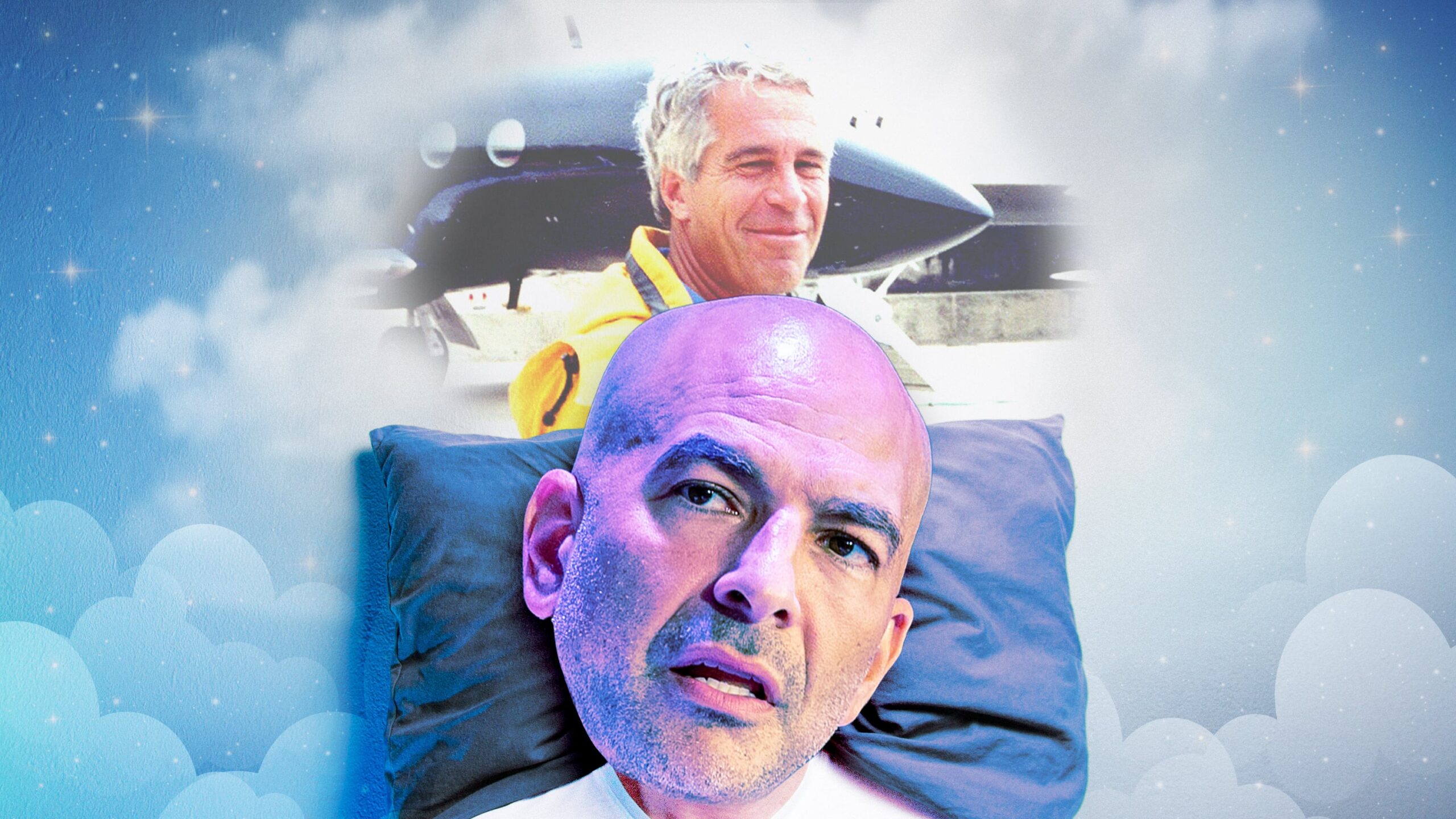
Dr. Peter Attia is spearheading a new study that investigates the impact of public shaming on sleep quality. The research, conducted in collaboration with the scientific advisory board of Eight Sleep, aims to understand how the revelation of damaging associations can affect individuals’ mental health and sleep patterns.
Understanding the Link Between Public Scrutiny and Sleep
According to a spokesperson for the board, the study emerged from a pressing need to examine the long-term consequences of public disgrace, particularly in an environment where numerous public figures face serious allegations. “We feel that it’s more important than ever to understand the long-term impact this may have on not only the conscience but also the brain health of the disgraced individual,” the spokesperson stated. The initial findings indicate a significant correlation between exposure to public shame and disrupted sleep.
As both a lead researcher and a participant in the study, Attia is dedicating considerable time to this project. His commitment reflects a broader goal of advancing the field of longevity science. The study has attracted various high-profile subjects who have faced public scrutiny; however, not all were deemed suitable for participation. For instance, high-profile entrepreneur Elon Musk was disqualified despite his enthusiastic requests to join the research.
Former royal Prince Andrew also faced challenges in participating, citing logistical difficulties related to travel. Moreover, the current president was ruled out after it was determined that he could not engage in the necessary tests due to distractions from social media. These exclusions highlight the complexities involved in selecting appropriate subjects for this research.
Methodology and Future Implications
The research team has developed a comprehensive regimen for the study’s participants. This includes sessions focused on drafting written apologies, managing public relations crises, and engaging in personal reconciliations. Additionally, participants are following a low-carbohydrate diet designed by Attia himself. These measures aim to provide insights into how individuals can adapt to the emotional toll of public scrutiny.
“What we’ve seen in patients in the past is a certain level of sleeplessness and distraction during waking hours, which persists until the individual finds a way to outlive their past,” noted one expert in the field.
While the study aims to draw definitive conclusions about these experiences, some experts express skepticism. They suggest that coping mechanisms for public shame may vary greatly among individuals, and that a simple solution may not exist. “It’s my belief that there is no way to get around this, besides maybe spending some more time on a private island until it all blows over,” one expert remarked.
As the research progresses, Attia plans to share the findings through an exclusive interview with CBS News. This initiative not only seeks to explore the intersection of public perception and mental health but also aims to contribute to broader discussions about the implications of public shaming in modern society.