Fish oil supplements have gained attention for their potential health benefits for dogs. Research indicates that these supplements may assist with conditions such as arthritis, skin allergies, and cardiovascular health. The omega-3 fatty acids, specifically DHA and EPA, are believed to improve trainability in puppies, according to Dr. Emily Luisana, a board-certified veterinary nutritionist and cofounder of Peak Veterinary Specialists.
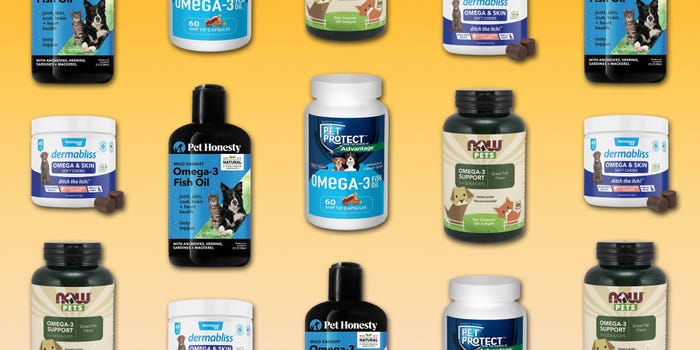
To identify the best fish oil options for dogs, I consulted several veterinarians and an expert from the National Animal Supplement Council (NASC). This comprehensive evaluation considered various products including liquids, softgels, and chews, ultimately leading to the selection of Pet Honesty Wild Caught Omega-3 Fish Oil as the top recommendation.
Why Fish Oil is Beneficial for Dogs
The omega-3 fatty acids in fish oil, particularly DHA and EPA, provide numerous health benefits for dogs. These fatty acids are known for their anti-inflammatory properties, which can ease joint pain and support skin health. The supplements may also enhance immune function and promote cardiovascular health.
Before introducing fish oil or any supplement to a dog’s diet, it is crucial to consult a veterinarian. While general dosage guidelines exist, a veterinarian can provide tailored advice based on the dog’s specific needs.
Criteria for Selecting Quality Fish Oil
In selecting the best fish oil for dogs, I established specific criteria based on expert feedback. I analyzed numerous products for omega-3 concentrations, EPA and DHA levels, sources of fish oil, added ingredients, certifications, and customer reviews. Practical aspects such as flavors, sizes, and cost were also considered in the recommendations.
The top picks for fish oil supplements include:
1. **Best Overall**: Pet Honesty Wild Caught Omega-3 Fish Oil
– This liquid supplement boasts high levels of EPA (720 mg) and DHA (475 mg) derived from anchovy, herring, mackerel, and sardine oils. It is NASC-certified and ConsumerLab tested, ensuring quality. Although it requires refrigeration and lacks a dispenser, its benefits outweigh these minor drawbacks.
2. **Best Softgels**: Pet Protect Free Form Omega-3 Fish Oil
– Offering high concentrations of omega-3s, these softgels feature a convenient snip tip for easy dispensing. They are available in formulations for different dog sizes, although the specific source of fish oil is not disclosed.
3. **Best Budget Option**: Now Pets Omega-3 Support
– This economical choice contains 300 mg of EPA and DHA per softgel and is NASC-certified. While it may not offer the highest concentrations, it is a reputable brand with a solid track record.
4. **Best Chews**: Vetnique Labs Dermabliss Omega and Skin Soft Chews
– These treats, infused with krill and salmon oil, provide a palatable option for dogs that resist pills. Despite being one of the most expensive options, they support skin health with a blend of omega fatty acids.
What to Look for in Fish Oil Supplements
When assessing fish oil supplements for dogs, several factors should be prioritized. Concentration of omega-3 fatty acids is crucial. Dr. Luisana recommends products containing at least 225 mg of EPA and DHA per mL or small softgel. The source of fish oil is also important; ideally, it should come from wild-caught, small fish, which are typically lower in toxins.
Ingredients should be straightforward, with fish oil as the primary component. Avoid products that contain harmful additives, such as xylitol or excessive vitamins A and D. The format of the supplement can influence palatability; liquid forms are often easier to administer, while softgels can mask odor.
Quality seals and third-party testing are essential for ensuring safety and efficacy. The NASC seal indicates compliance with rigorous standards, and other organizations like ConsumerLab provide independent verification.
Conclusion
Fish oil can offer significant health benefits for dogs, but quality varies widely among products. Selecting a supplement with clear labeling, high concentrations of EPA and DHA, and reputable certification is vital. Consulting a veterinarian before starting any new supplement will ensure the best outcomes for your dog’s health.
By following these guidelines and recommendations, dog owners can make informed decisions, ultimately enhancing the well-being of their pets.