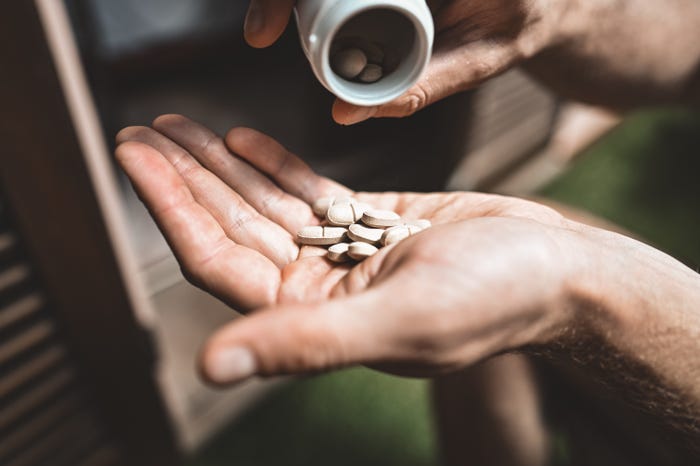
A recent study suggests that taking a daily multivitamin may slow biological aging in older adults by approximately four months. Published in the journal Nature Medicine on March 4, 2024, the research involved a randomized control trial with 958 participants, primarily aged 70, who were monitored over two years.
The participants were divided into two groups: one half received a standard daily multivitamin designed for older adults, while the other group took a placebo. Those who consistently took the multivitamin exhibited a noticeable reduction in their biological age, as measured by epigenetic clocks. This finding marks a significant step in understanding the potential benefits of multivitamins for aging populations.
Understanding the Study and Its Implications
Lead author Howard Sesso, an epidemiologist and associate professor of medicine at Harvard Medical School, emphasized that while the results are intriguing, the overall effect is modest. “This doesn’t mean that everyone should go out and start taking a multivitamin. Rather, this is starting to provide the connecting of the dots,” he stated in an interview with Business Insider.
The concept of biological aging is assessed through various models, including GrimAge and PhenoAge, which utilize DNA methylation to evaluate how well an individual is aging. The study found that those who showed signs of accelerated aging benefited more from the multivitamins, suggesting that the supplements could be particularly advantageous for older adults who may not be receiving adequate nutrients from their diets.
The research supports earlier findings from a 2023 study published in the American Journal of Clinical Nutrition, which indicated that multivitamins might enhance cognitive function in older individuals by improving scores on memory tests.
Future Directions for Nutritional Science
Despite the promising results, experts caution against a blanket recommendation for multivitamin use. Sesso noted that the scientific rigor surrounding dietary supplements is often inadequate, leading to public misconceptions about their benefits and potential harms. He advocates for obtaining nutrients through a balanced diet and maintaining a healthy lifestyle, which includes physical activity and social connections.
The study received funding from Centrum, which provided the multivitamins but did not influence the research’s independent outcomes. While the findings are a step forward, they do not yet establish a direct correlation between reduced biological age and improved health outcomes or longevity.
Looking ahead, researchers like Daniel Belsky, an aging expert at Columbia University who did not participate in the study, envision a future where biological age assessments could tailor supplement recommendations for individuals. “It’s looking good,” he remarked, highlighting the potential for personalized nutrition in medical practice.
As the scientific community continues to explore the role of multivitamins in health maintenance for older adults, the evidence remains inconclusive. For now, the focus remains on understanding the complex interrelationships between nutrients and their impact on aging.