Post-natal depression (PND) is often perceived as a condition that primarily affects women, but many fathers experience significant mental health challenges after the arrival of a child. Aled Edwards, a father from the UK, opened up about his struggles with severe depression following the birth of his children, shining a light on an often-overlooked issue.
Aled’s journey began with distressing nightmares while his wife, Sophie Edwards, was pregnant. He experienced overwhelming anxiety during their attempts to conceive, and when Sophie finally became pregnant, he initially dismissed his nightmares as typical first-time dad fears. However, the situation escalated when Sophie became pregnant with their daughter, Bea. He described the nightmares during this time as “on a whole different level of horrific,” leading to feelings of emotional numbness and detachment from his family.
“I felt like I had no motivation to do anything,” Aled, now 40, recalled. “It sounds really awful, but it felt like I just didn’t have it in me… to have that emotional bond.” Despite putting on a façade of a perfect family life, he struggled internally, culminating in October 2021 when he contemplated taking his own life.
Aled’s previous experiences with mental health professionals included a diagnosis of adverse childhood trauma and a prescription for diazepam, an anxiety medication that he felt did not help. The pivotal moment for Aled came when he decided against suicide, prompted by the memory of his son, Sullivan, snuggling with him that morning. Seeking help, he went to A&E but felt that the healthcare system could do more to address the root causes of paternal mental health issues.
His research into his symptoms led him to consider that he might be suffering from post-natal depression, a condition that affects more than one in ten women but can also impact fathers and partners. A mental health specialist initially dismissed his concerns because he was a man, but a general practitioner later confirmed that it was likely he was experiencing PND.
Prof Ann John, who has researched PND, emphasized that the notion that only women experience this condition is a “myth.” Her study revealed that over the past 22 years, seven times as many fathers have died by suicide in Wales compared to mothers during the critical period from conception to a child’s second birthday. This alarming statistic highlights a significant gap in the support available for fathers facing mental health challenges.
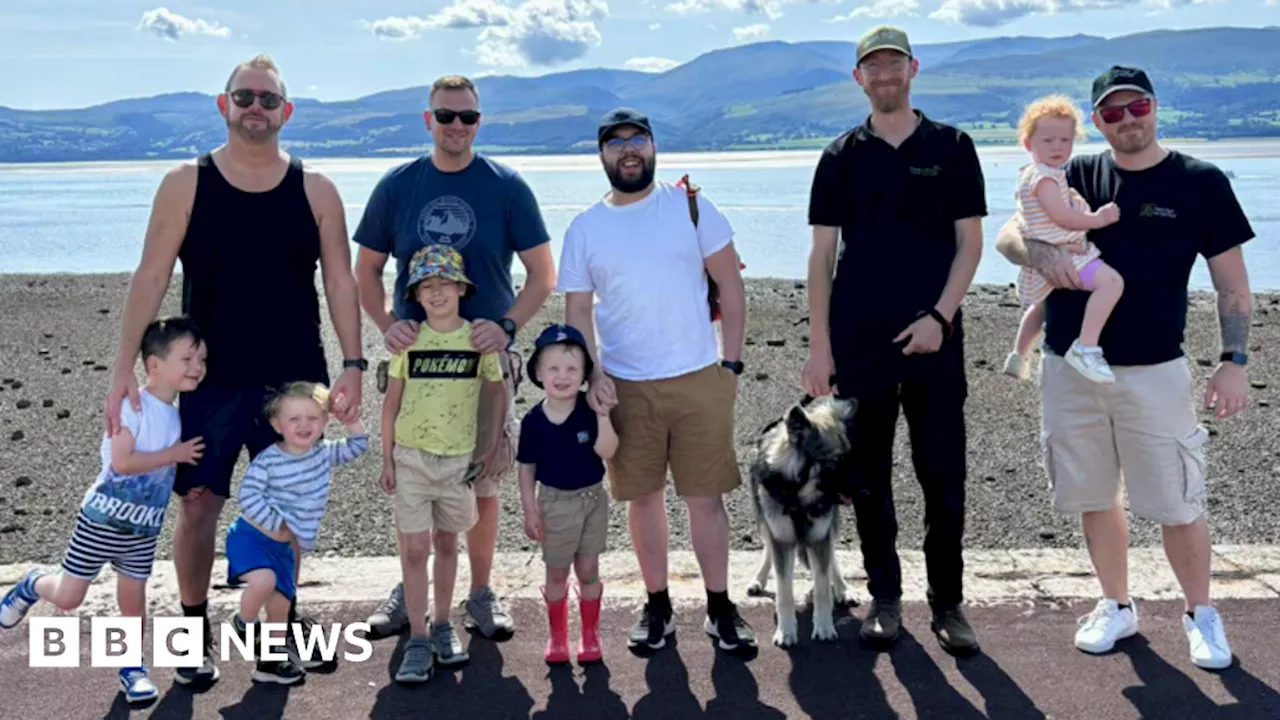
In response to his struggles, Aled reached out to other fathers through social media, leading to the formation of a community support group called “How’s Dad?” This initiative has grown over the past two years, providing a platform for fathers to share their experiences and support one another. Aled’s advocacy for mental health awareness has allowed him to connect with his children in a more meaningful way.
Mark Williams, another father, echoed similar sentiments. Reflecting on his experience with post-natal depression after the birth of his son, Ethan, Mark described feeling overwhelmed and isolated. He faced significant challenges, including a panic attack during the transition to fatherhood and a struggle to bond with his child. His journey included a breakdown nearly five years after Ethan was born, leading him to realize the impact of mental health on his parenting experience.
Now, Mark works with Mental Health Matters Wales and runs the Fathers Reaching Out campaign, aiming to influence government policy on parental mental health. He believes that many fathers experience depression after the official post-natal period, highlighting the need for ongoing support.
Simon Jones, head of policy and campaigns at Mind Cymru, noted that research indicates many men report experiencing birth-related mental health conditions, with approximately 9% diagnosed with PTSD. The Welsh government has recognized the unique mental health challenges faced by new fathers and is committed to providing compassionate, person-centred support.
Both Aled and Mark emphasize the importance of changing societal attitudes towards masculinity. They advocate for open discussions about mental health, encouraging fathers to seek help without fear of stigma. Aled stated, “It’s so important that we reach out and ask for help and, if you’re not feeling right, there’s no shame in that.”
As conversations around paternal mental health gain traction, the hope is to create a more supportive environment for fathers experiencing post-natal depression. By sharing their stories and building supportive communities, fathers like Aled and Mark are challenging the stigma and paving the way for greater awareness and understanding of this critical issue.