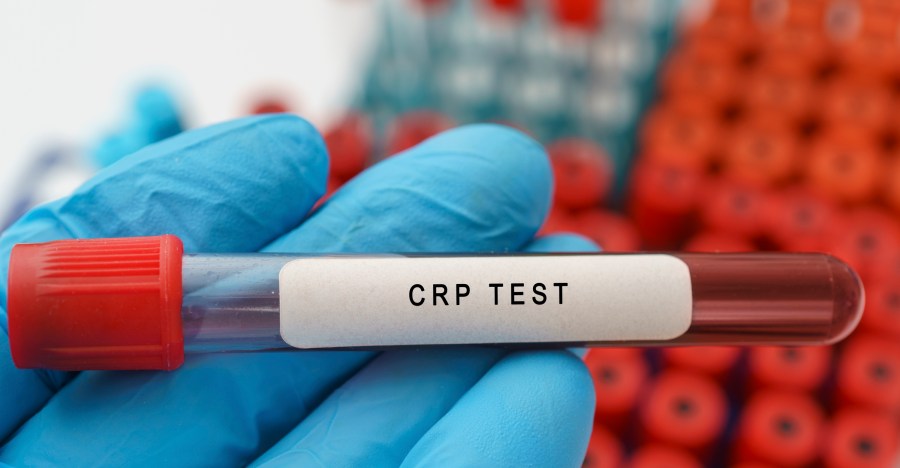
Heart disease remains the leading cause of death in the United States, prompting continuous research into its risk factors. Recent findings suggest that C-reactive protein (CRP) may be a more effective indicator of heart disease risk than traditional measures, such as cholesterol levels. This shift in understanding could reshape how healthcare professionals assess cardiovascular health.
Research dating back to the 1950s established a connection between diet, cholesterol, and heart disease. Since then, patient cholesterol levels have been routinely monitored through blood tests in medical settings. However, accumulating evidence now positions CRP as a significant marker for inflammation, which plays a critical role in the development of heart disease.
C-reactive protein is produced by the liver in response to inflammation. Elevated levels of CRP in the blood can indicate underlying health issues, including infections and chronic inflammatory diseases. According to recent studies, high CRP levels correlate with an increased risk of cardiovascular events, such as heart attacks and strokes.
Understanding the Shift in Heart Disease Risk Assessment
The traditional focus on cholesterol levels has been challenged by new research highlighting CRP’s predictive capabilities. While cholesterol remains an important factor, its limitations have prompted experts to advocate for a broader approach to assessing heart disease risk.
A study published in The Conversation emphasizes that CRP testing can provide additional insights, particularly for patients with normal cholesterol levels. This approach may help identify individuals at risk who might otherwise be overlooked. The integration of CRP testing in routine screenings could lead to earlier interventions and improved health outcomes.
Healthcare providers are encouraged to consider CRP levels alongside cholesterol measurements when evaluating patients. This dual assessment may help refine risk stratification and guide treatment decisions more effectively.
The Implications for Public Health
The implications of prioritizing CRP over cholesterol are significant for public health strategies aimed at reducing heart disease mortality. With heart disease accounting for approximately 697,000 deaths in the United States in 2020, enhancing risk assessment methods is crucial.
Patients and healthcare professionals alike may need to adjust their understanding of heart disease risk factors. Increased awareness of CRP’s role could promote more proactive health management practices, including lifestyle changes and medical interventions.
In conclusion, the emerging evidence supporting C-reactive protein as a leading heart disease risk marker represents a vital development in cardiovascular health research. As healthcare practices evolve, integrating CRP testing into routine assessments may play a critical role in combating heart disease and improving patient outcomes worldwide.