A recent survey by Pew Research indicates that a significant majority of Americans support the federal government’s responsibility to ensure healthcare coverage for all, yet opinions vary widely on the methods to achieve this. As millions face rising healthcare costs due to the impending expiration of subsidies under the Affordable Care Act (ACA), these findings highlight the complexities surrounding healthcare reform in the United States.
The survey, which included responses from over 10,000 adults, found that approximately two-thirds believe the government should guarantee healthcare access. Among those surveyed, 35% advocate for a single-payer system, where the federal government would oversee all healthcare financing and administration. This approach is seen as a way to streamline processes and enhance access to care. Conversely, 31% prefer a mixed model that combines private insurance with government involvement, reflecting a desire for market competition alongside public support.
Interestingly, 33% of respondents feel that healthcare is not a federal responsibility, yet a majority of this group still supports the continuation of established programs like Medicare and Medicaid for vulnerable populations, including the elderly and low-income families. Only 7% believe the federal government should not offer any form of health insurance.
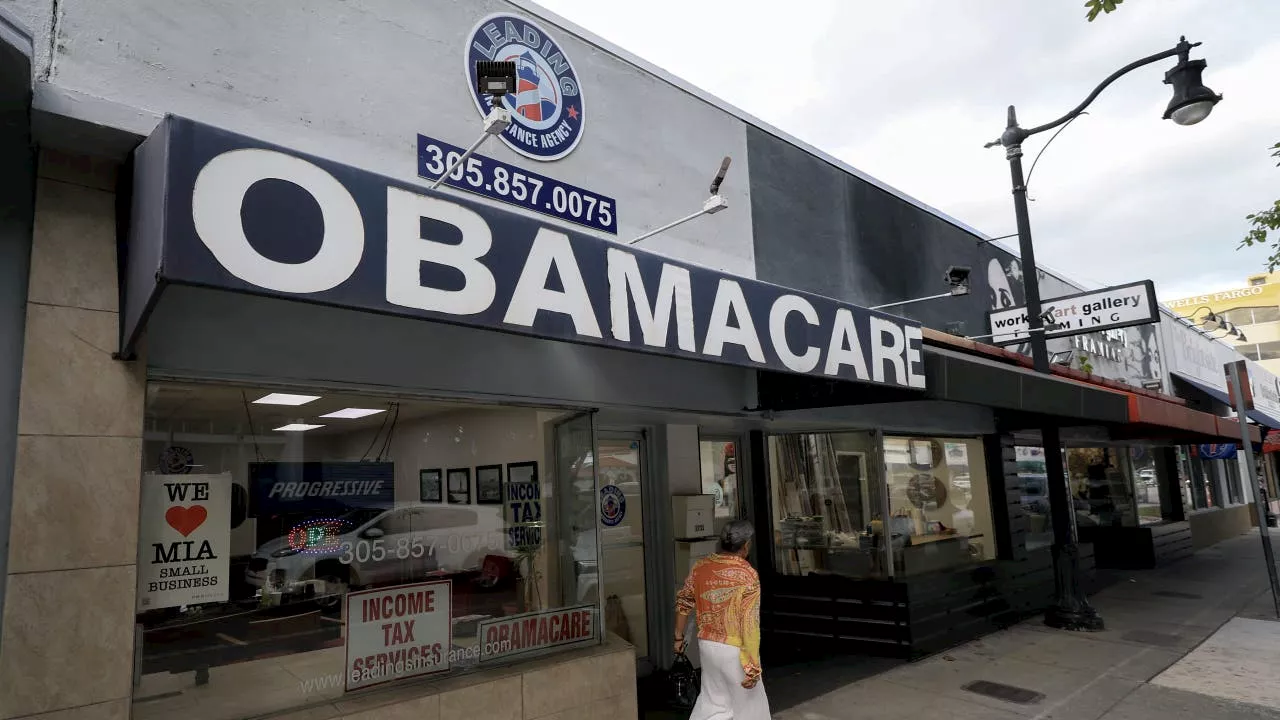
These survey results emerge as over 22 million Americans are projected to face potentially steep increases in healthcare costs due to the expiration of ACA subsidies. The recent failure of the U.S. Senate to extend these subsidies, which have enabled millions to afford health insurance through the ACA marketplace, could lead to premium increases averaging 114%, according to KFF, a leading healthcare policy research organization. Such a surge in costs could make healthcare unaffordable for many families and increase the number of uninsured individuals.
A separate KFF survey suggests that around 25% of individuals currently insured through the ACA Marketplace may choose to forgo coverage entirely if the subsidies are not reinstated. The political ramifications of these findings are significant, with differing views among political parties regarding the government’s role in healthcare provision.
Political affiliations reveal stark divisions over the issue of healthcare responsibility. Among Republicans and Republican-leaning independents, 59% assert that the federal government is not responsible for ensuring healthcare for all, although 41% believe it is. Notably, this marks a 9-percentage-point increase in Republican support for federal involvement in healthcare since 2021. The shift suggests a potential change in the political landscape regarding healthcare issues, with lower-income Republicans showing the most support for government involvement.
In contrast, an overwhelming 90% of Democrats and Democratic-leaning individuals support the government’s role in providing healthcare coverage. Within this group, over half, or 52%, favor a national insurance program, while 37% prefer a combination of public and private healthcare options. This consensus spans across various income levels among Democrats, indicating a strong belief in the necessity of federal support for healthcare.
As the House of Representatives prepares to vote on extending ACA tax credits, the likelihood of success appears slim following the Senate’s prior rejection. The future of affordable healthcare in the United States remains uncertain, underscoring the complexities and divisions that characterize the ongoing debate.