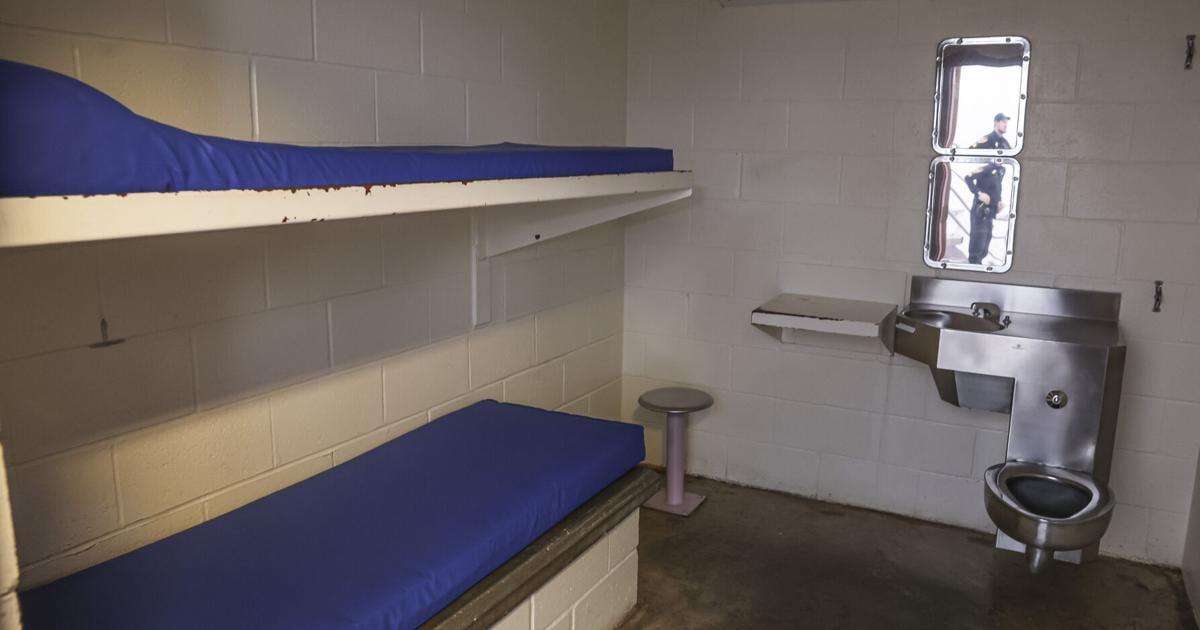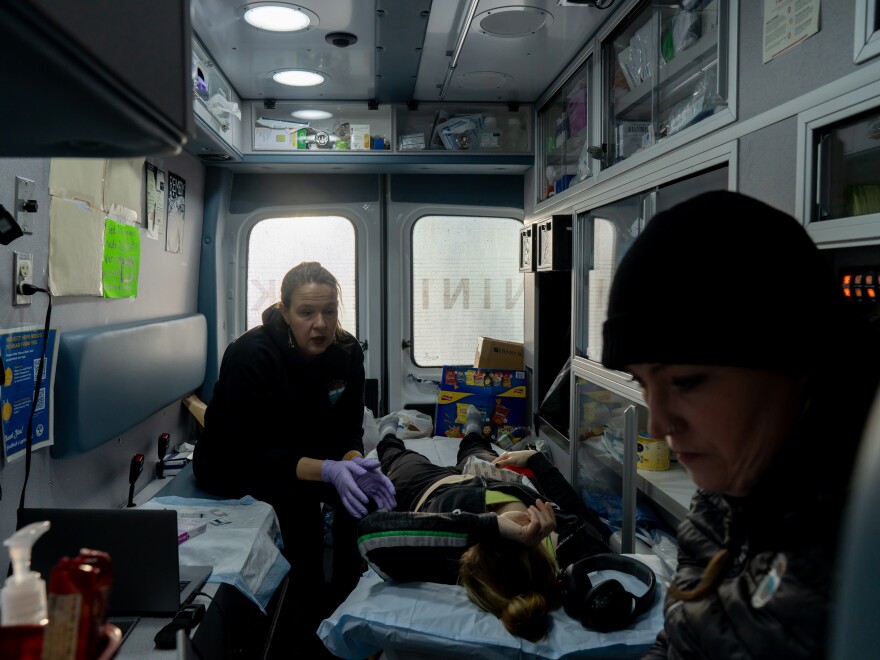
For individuals struggling with addiction, entering and exiting prison can present significant challenges, particularly regarding access to medication. At the Ninilchik Community Clinic on Alaska’s Kenai Peninsula, Dr. Sarah Spencer recently administered a monthly buprenorphine shot to a patient, identified only as H. This treatment is crucial for managing opioid use disorder. However, H. faced potential incarceration, raising concerns about the continuity of her medication, as the Alaska Department of Corrections (DOC) does not guarantee access to such essential treatment.
Dr. Spencer’s patient, preparing for a possible six-month sentence, expressed her desire to remain sober while incarcerated. “I wanted to cover my bases, because I really, really wanted to do good,” H. stated. Research consistently shows that medication-assisted treatment can significantly enhance recovery and reduce the likelihood of overdose deaths. Incarcerated individuals who do not receive medication may turn to illicit drugs or experience a decrease in opioid tolerance, increasing their risk of overdose upon release.
Statistics highlight the severity of this issue. Data from the Biden administration indicated that in 2021, nearly 25% of overdose deaths in the United States involved individuals who were recently released from jail or prison. A study by the National Institute of Health revealed that individuals released from prison are up to 40 times more likely to die from an overdose compared to the general population.
H. reported that her access to treatment was interrupted during a prior incarceration. The DOC denied her medication, leading her to relapse upon her release. “It happens super fast,” she recounted. The lack of consistent treatment options for incarcerated individuals is a pressing concern echoed by many healthcare providers.
Despite repeated requests for an interview, the Alaska DOC responded via email, confirming that they provide only 30 days of medication to individuals who were receiving it prior to incarceration. After that period, those who are not pregnant do not receive further treatment. Upon release, the DOC offers a list of community providers, but Dr. Spencer argues that a more effective approach would involve establishing direct transition plans for these individuals to ensure continuity of care.
“Missing the opportunity to stabilize this life-threatening disease while in custody is detrimental,” she emphasized. The DOC has plans to expand access to medication for opioid use disorder, with a pilot program expected to launch by February 2026.
In contrast, Rhode Island has implemented a more comprehensive approach to addiction treatment within its correctional facilities. Since 2016, Rhode Island has provided substance use disorder treatments to eligible inmates, resulting in a 61% reduction in overdose death rates among recently incarcerated individuals within a year. Dr. Jennifer Clarke, who developed the program as medical director at the Rhode Island DOC, noted, “When people weren’t going through withdrawal and having cravings, they could focus better on recovery.”
However, establishing such programs requires significant funding and political backing, as Dr. Clarke experienced firsthand. The Rhode Island initiative required an initial investment of $2 million to launch, and overcoming logistical challenges and stigma was an ongoing battle.
Across the United States, access to medication-assisted treatment remains inconsistent. A recent study published in JAMA Network Open revealed that fewer than half of the over 3,000 U.S. jails surveyed provide any access to medication for opioid use disorder. Redonna Chandler, a psychologist formerly with the National Institute on Drug Abuse, explained that the lack of qualified providers in many correctional facilities hampers access to necessary medication.
Concerns regarding the potential for diversion of medications, such as buprenorphine, further complicate the issue. Chandler noted that alternative formulations or administration methods, such as injectables, could mitigate these concerns.
H. expressed the critical need for treatment access while incarcerated. “It would just be so huge to be able to get it in jail too,” she said. “That strength could really help you when you hit the streets again.” While her future incarceration date remains uncertain, she hopes to return to treatment immediately upon release, a step that could ultimately save her life.