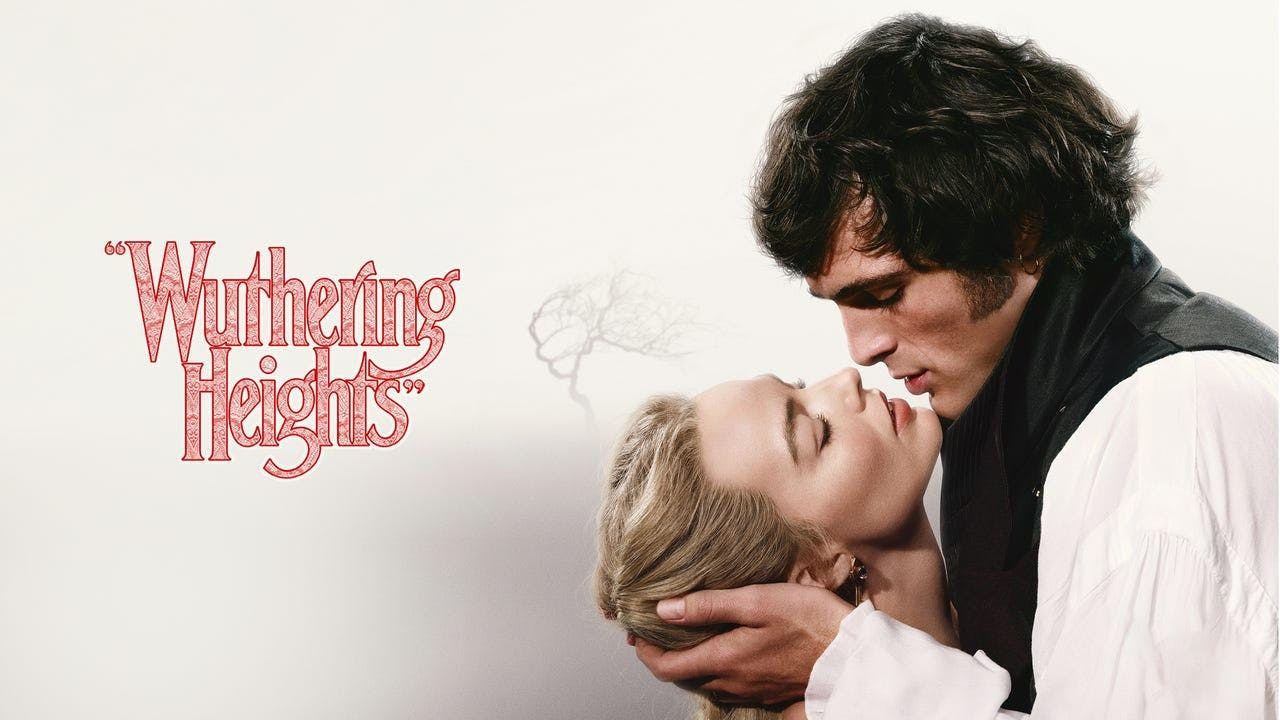
The recent film adaptation of *Wuthering Heights* directed by Emerald Fennell has sparked intense discussions, particularly regarding the portrayal of its characters. While much of the criticism has been directed at the chemistry between Catherine Earnshaw (played by Margot Robbie) and Heathcliff (portrayed by Jacob Elordi), the film’s treatment of Nelly Dean, played by Hong Chau, deserves scrutiny as well.
Nelly, who serves as a companion to Cathy, is depicted as quiet and proper, contrasting sharply with Cathy’s more spirited nature. This dynamic reveals the significant societal constraints placed upon Nelly, a character who is more than just a servant; she represents the complications of class and gender in the 19th-century setting of the novel.
As the narrative unfolds, Nelly’s role shifts to that of a subordinate, forced to navigate the complexities of her position within the household. Despite being the illegitimate daughter of a lord, Nelly’s opportunities are severely limited compared to those of Cathy, the daughter of an untitled man. This disparity leads to a growing resentment in Nelly, who feels trapped by her societal status.
Cathy’s marriage proposal from the wealthy neighbor, Edgar Linton (played by Shazad Latif), further emphasizes Nelly’s lack of agency. In a pivotal scene, Cathy seeks Nelly’s advice yet quickly spirals into self-pity, lamenting her feelings for Heathcliff while lamenting her predicament. Nelly’s frustration is palpable, particularly when Cathy cruelly remarks that no one will ever love her. This comment not only insults Nelly but highlights Cathy’s self-centeredness, a troubling trait that the film fails to adequately address.
As the plot progresses, Cathy’s betrayal of Nelly becomes apparent. When Heathcliff arrives at the estate, Nelly’s decision not to inform Cathy of his presence results in a miscommunication that ultimately leads to heartbreak. Cathy accuses Nelly of treachery, overlooking her own role in their fractured friendship. This dynamic serves to illustrate the film’s failure to portray complex relationships with the nuance they deserve.
The film adaptation reduces both characters to simplified archetypes rather than exploring their flaws and complexities. While Cathy is cast as the tragic heroine, Nelly is unfairly depicted as an antagonist. This one-dimensional portrayal overlooks the societal limitations that dictate Nelly’s actions and emotions.
Nelly’s character is not a villain; rather, she embodies the struggles of women constrained by their societal roles. The adaptation fails to recognize that Nelly’s choices are often dictated by her position, leaving her without the freedoms enjoyed by Cathy. The film’s lack of depth in character development ultimately diminishes its narrative impact.
In conclusion, while *Wuthering Heights* has always been a tale of love and loss, the recent adaptation raises critical questions about the portrayal of women and their relationships. Nelly Dean, rather than being a simplistic villain, is a victim of circumstance, deserving of empathy and understanding. As audiences engage with this adaptation, it is essential to recognize the broader themes of class, gender, and friendship that are woven into the fabric of this timeless story.