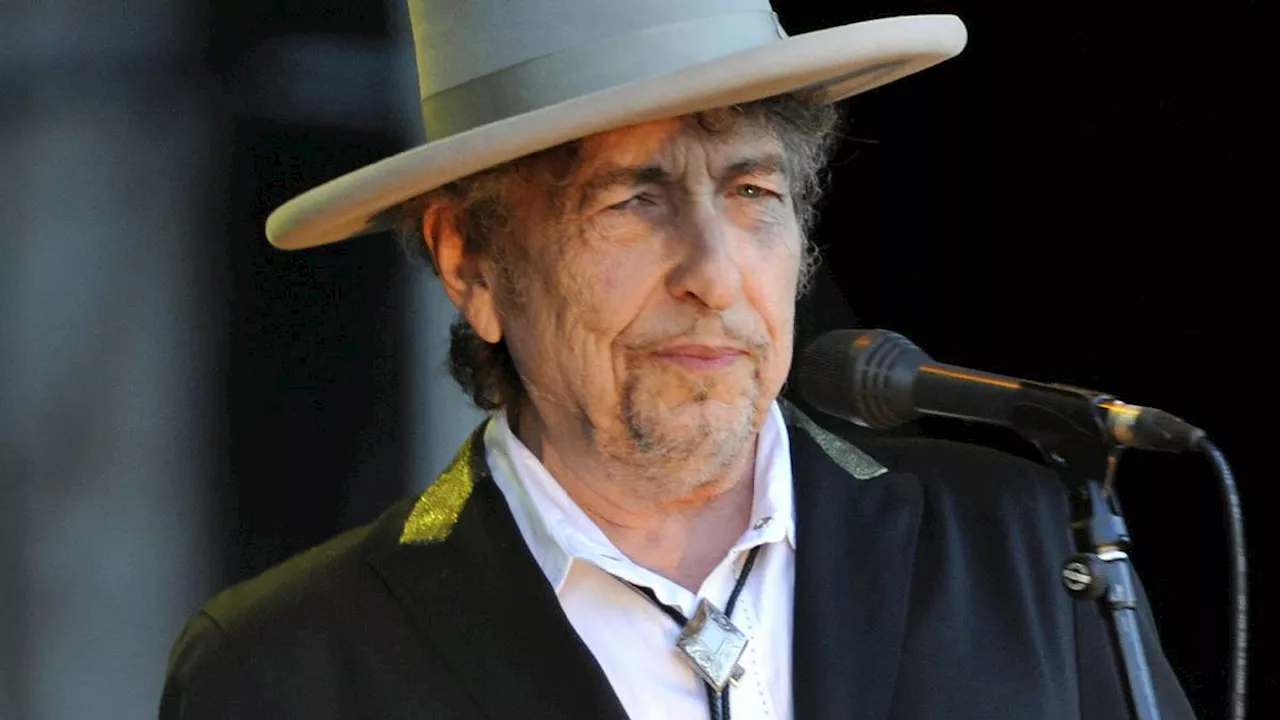
Bob Dylan has achieved a significant milestone with his song “Murder Most Foul,” which became his first Billboard No. 1 hit. Released on **March 27, 2020**, this 17-minute track delves into the assassination of President **John F. Kennedy** on **November 22, 1963**, exploring its profound effects on American society.
This release marks Dylan’s first original song since his 2012 album, **Tempest**. While the opening verse poignantly addresses the tragedy of Kennedy’s death, the remainder of the song weaves a rich tapestry of American life, touching on themes of cultural upheaval and national identity during a turbulent period.
Dylan’s lyrics reference various social issues, including the racial tensions of the 1960s and the surge of **Beatlemania**, which captivated the nation between 1963 and 1966. The song mirrors the structure of Dylan’s earlier work, “We Didn’t Start the Fire,” which lists significant world events. In “Murder Most Foul,” Dylan alludes to **74 songs**, incorporating a variety of musical and cultural references, from **Joni Mitchell’s** “Woodstock” to **Ella Fitzgerald’s** “Cry Me a River.”
Additionally, Dylan draws on historical elements, such as the infamous quote from **Lee Harvey Oswald** and cultural symbols like Elm Street from the horror film **A Nightmare on Elm Street**. This multitude of references enriches the narrative, creating a multifaceted exploration of a moment that reshaped American history.
Collaborative Efforts Enhance the Song’s Depth
Dylan’s creative process for “Murder Most Foul” involved collaboration with notable artists, including singer-songwriter **Fiona Apple**. Known for her meticulous artistry, Apple initially hesitated to contribute, believing she might not meet Dylan’s high standards. Yet, Dylan sought her unique perspective rather than perfection.
Reflecting on her experience, Apple expressed gratitude for the opportunity, noting that Dylan’s encouragement helped her overcome her insecurities. She stated, “You’re not here to be perfect, you’re here to be you,” which resonated deeply with her as she prepared for the release of her own album, **Fetch the Bolt Cutters**, a month later.
Dylan’s Complex Relationship with Kennedy’s Legacy
Dylan’s connection to Kennedy is not new. In **December 1963**, mere weeks after the assassination, he faced controversy during the Tom Paine Award ceremony when he suggested a troubling kinship with Oswald’s feelings. The audience’s reaction was mixed, with gasps and boos signaling their discomfort.
In his 1972 biography, Dylan reflected on the surreal nature of performing shortly after Kennedy’s death, admitting he struggled to process the events. “I know I had no understanding of anything. For me, it was just insane,” he recalled. This ongoing exploration of the Kennedy assassination showcases Dylan’s complex relationship with a pivotal moment in American history, highlighting his ability to articulate the collective grief and confusion felt by many.
The release of “Murder Most Foul” not only marks a historic moment for Dylan but also reinforces the enduring power of music to navigate and reflect on societal change. As Dylan continues to capture the essence of the human experience through his art, his latest work stands as a testament to the profound impact of music on culture and memory.