AMC’s adaptation of Interview With the Vampire has garnered acclaim for its strong performances and high production quality, yet it has faced criticism for straying significantly from Anne Rice‘s original novels. As the series prepares for its third season in 2026, this analysis delves into how the show both succeeds and falters in its portrayal of key characters and themes.
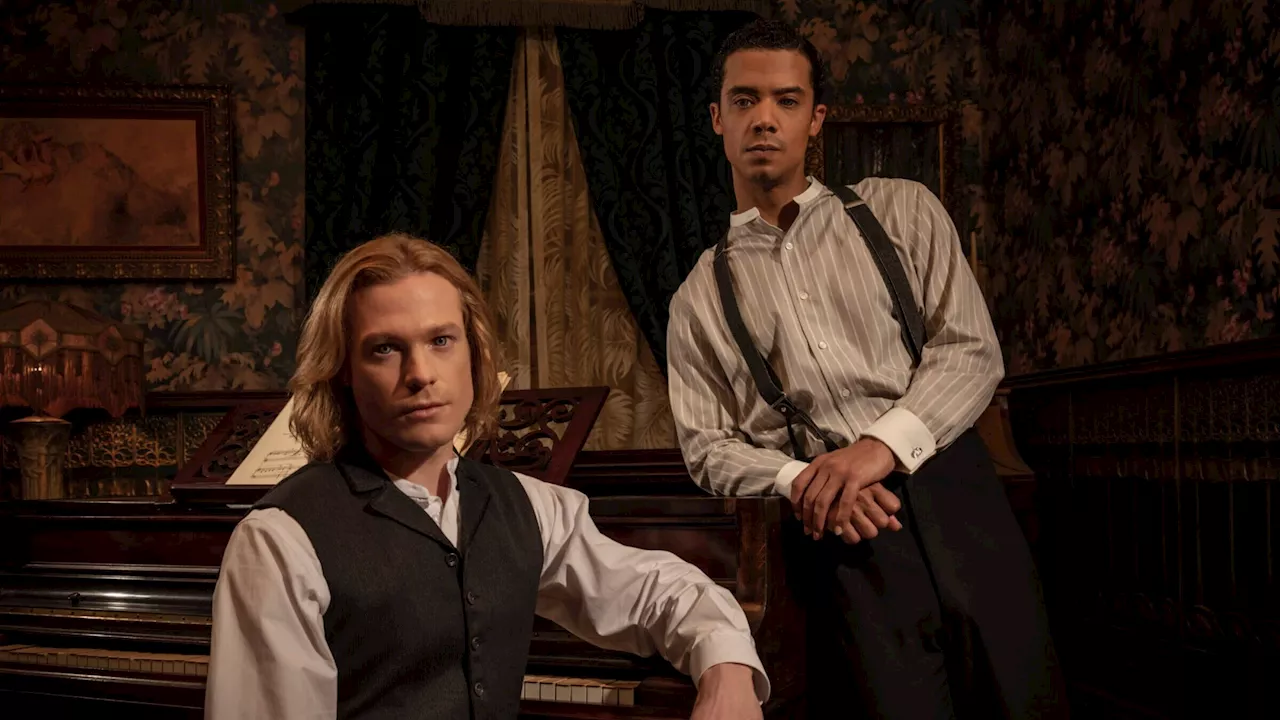
Debuting in 2022, the series features Sam Reid as the charismatic Lestat de Lioncourt and Jacob Anderson as Louis de Pointe du Lac. The show presents a deeply human narrative centered on the complex and often toxic relationship between Louis and Lestat. While the series successfully brings the story’s expansive themes to life, it has been described as more of an “inspired by” adaptation rather than a faithful retelling of Rice’s work.
The most notable departure lies in the reimagining of Louis as a queer Black man living in early 20th-century New Orleans, a significant shift from his characterization as a white French slave owner in the 18th century. Critics have noted that this change, while refreshing, leads to a misunderstanding of Louis’s internal struggles. In the show, his torment centers on self-acceptance and sexuality, overshadowing the existential crisis that defines his character in the novels.
In the original text, Louis grapples with faith, morality, and the meaning of existence, particularly following the death of his devout brother, Paul. This philosophical depth is somewhat diluted in the series, where Louis’s internal conflict appears more focused on his relationship with Lestat and his identity. Such a shift affects the portrayal of Lestat as well. Instead of the playful, seductive figure from the books, Lestat is depicted as a more overtly abusive character, which detracts from the nuanced dynamics of their bond.
As the third season approaches, the series will pivot to include more of Lestat’s perspective, adapting elements from the second book in Rice’s series. This transition raises concerns among fans regarding the portrayal of other characters, particularly Lestat’s mother, Gabrielle, who will now be referred to as Gabriella. In an interview, showrunner Rolin Jones explained this change as a reflection of “feminine vampiric blood,” which has sparked apprehension among those familiar with Rice’s work.
In the novels, Gabrielle is depicted as rejecting traditional femininity, cutting her hair short and adopting a masculine style. Such elements are crucial for understanding her character and her complex relationship with Lestat. Fans worry that the series may overlook these aspects, particularly as Jones’s comments suggest a potential misunderstanding of Gabrielle’s significance.
Adaptations often require deviations from source material, and AMC’s Interview With the Vampire is no exception. While the changes made to the narrative can be seen as addressing contemporary themes, the risk lies in losing the nuanced details that define Rice’s work. The focus on the more erotic elements of the story has shifted the essence of Louis’s suffering and the intricacies of the relationships around him.
As the anticipation builds for Season 3, there is hope that the show will navigate these character transformations with greater care, preserving the depth and complexity that fans cherish. Despite its flaws as an adaptation, AMC’s series remains a standout in contemporary television, prompting discussions about fidelity to source material and the evolution of storytelling in a modern context.