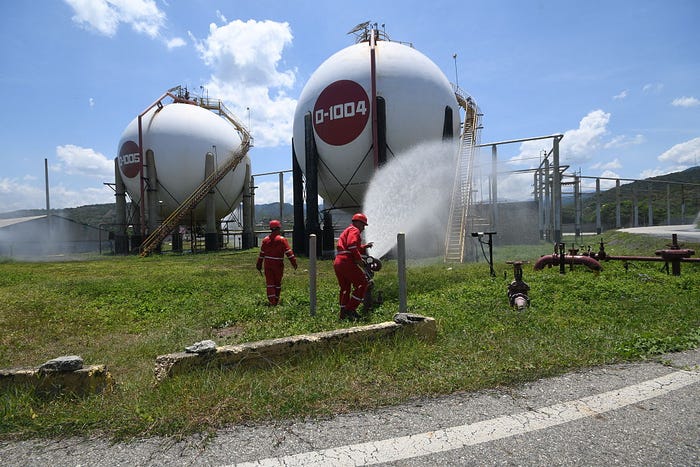
Recent military actions by the United States against Venezuela have drawn attention to the nation’s substantial oil reserves, estimated at 303 billion barrels. This vast stockpile could have significant implications for global crude oil prices, which directly affect what consumers pay at the pump in various countries.
Understanding the Impact on Global Oil Prices
Despite holding nearly a fifth of the world’s oil reserves, Venezuela currently contributes less than 1% of daily global crude production. This limited output suggests that any immediate disruption from the recent events may not significantly impact overall oil supply. Reports indicate that the US military operations did not damage Venezuela’s oil infrastructure, which further reduces the likelihood of short-term supply shocks.
Market analysts are closely monitoring how these developments will influence oil prices in the coming weeks. Although crude oil trading does not occur over the weekend, expectations surrounding Venezuela’s oil production will likely drive future price movements when the markets reopen. The current global oil surplus is projected to reach a record level by 2026, providing additional context for the market’s response.
The Trump Administration has expressed intentions to tap into Venezuela’s oil reserves, potentially increasing production levels. While this action could lead to lower crude prices, US companies looking to drill in Venezuela face a challenging dilemma. The more oil they introduce to an already saturated market, the more they risk driving prices down, thus diminishing their potential profits.
Consumer Implications in the Short Term
The fluctuations in oil prices have a direct impact on everyday consumers, particularly in terms of fuel costs. As crude oil prices have already fallen sharply since the start of last year, any increase in supply from Venezuela could further depress prices. For consumers, this could translate into lower costs at the fuel pump, providing some financial relief at a time when many are feeling the pinch of rising living expenses.
Ultimately, how US companies navigate the complexities of drilling in Venezuela will play a crucial role in determining oil prices and, by extension, the economic realities for consumers around the globe. The unfolding situation continues to be a focal point in both the energy market and broader economic discussions, with potential ramifications that extend far beyond the borders of Venezuela.
As the world watches closely, the evolving dynamics of Venezuela’s oil resources will be pivotal in shaping future energy landscapes and consumer costs.