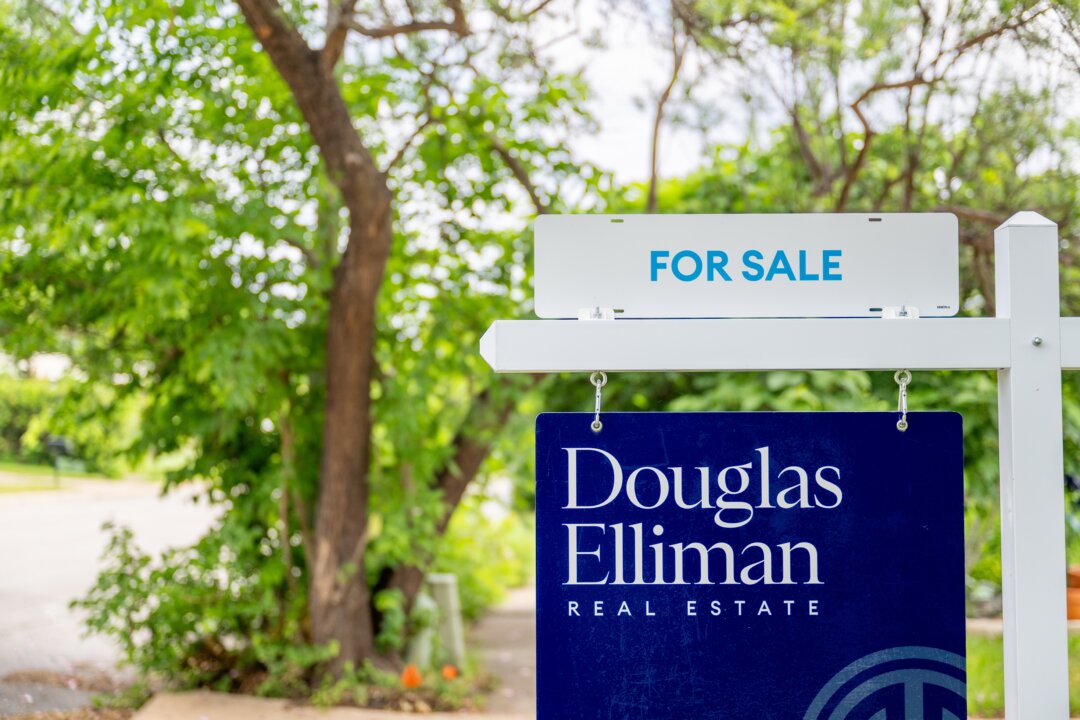
The housing market in the United States is experiencing a significant shift, with nearly 45,000 homes that were previously delisted returning to the market in January 2025. This surge in relistings represents the highest volume since 2016, according to a report released by Redfin on March 5.
A notable trend has emerged, as home delistings soared in December 2024, reaching a record high of 112,788 homes. This increase indicates that sellers have begun to outnumber buyers, prompting many to resort to negotiations and offer concessions to attract potential buyers. Those sellers unwilling or unable to negotiate opted to withdraw their properties from the market.
The data shows that the start-of-year relistings accounted for 3.6 percent of all homes available for sale. This trend reflects a strategic move by sellers who previously removed their homes from listings, now hoping to capitalize on the upcoming spring homebuying season.
Market Dynamics Shift Towards Sellers
According to Andrew Vallejo, a Redfin agent based in Austin, Texas, many sellers are optimistic about re-entering the market. “Many sellers who pulled their homes off the market last year are relisting now in hopes of capitalizing on the spring homebuying season,” he stated. This optimism is likely influenced by seasonal trends, which typically see an uptick in buyer activity as warmer weather approaches.
As the spring season nears, the dynamics of the housing market may continue to evolve, with an influx of new listings providing more options for buyers while simultaneously increasing competition among sellers. This dual pressure could reshape bargaining power and influence pricing strategies as both buyers and sellers navigate the changing landscape.
While potential homebuyers may benefit from increased inventory, they must also prepare for the challenges that come with a competitive market. With the return of delisted properties, sellers may find themselves in a better position to negotiate terms, especially if the current trend of increased demand persists.
As the situation develops, stakeholders in the real estate market—buyers, sellers, and agents alike—are closely monitoring these changes to better understand the implications for their strategies and decisions in the coming months.