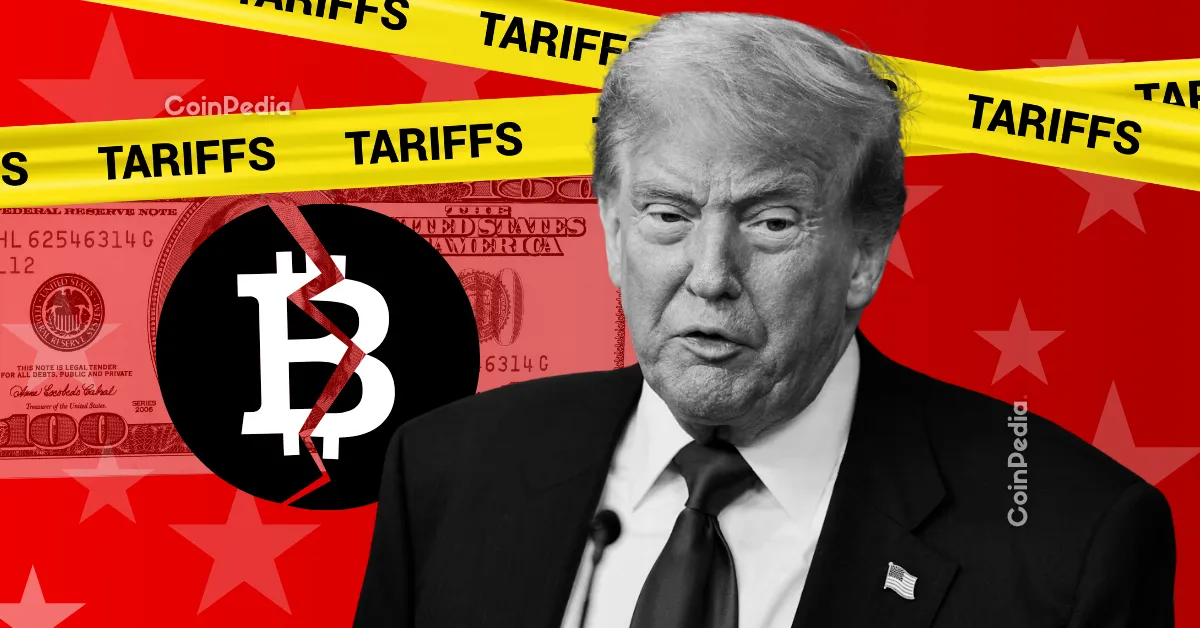
Concerns surrounding a potential sell-off in the cryptocurrency market have eased following reassurances from U.S. Treasury officials regarding the handling of possible tariff refunds. These worries arose as investors speculated on the implications of a U.S. Supreme Court ruling that could overturn tariffs imposed during former President Donald Trump’s administration. A large-scale refund could require significant liquidity injections, risking broader market instability.
Treasury Reassures Markets
U.S. Treasury Secretary Scott Bessent sought to calm fears by stating that the government possesses sufficient liquidity to manage any potential tariff refunds. In a press conference, Bessent explained that, even in a worst-case scenario, refunds would be disbursed gradually over weeks or months. This approach minimizes the risk of sudden liquidity shocks that could disrupt financial markets, including cryptocurrencies.
Bessent also expressed confidence that the Supreme Court is unlikely to overturn the tariffs but emphasized the importance of contingency planning. He noted that the Treasury is well-prepared and does not foresee any refund process undermining government funding or overall financial stability.
Complexities of the Refund Process
Beyond liquidity concerns, Bessent highlighted that the refund process itself may prove intricate. Depending on the court’s eventual ruling, refunds might come with specific conditions that complicate the flow of funds back into the economy. He raised the issue of whether corporations that initially paid the tariffs would pass on refunds to consumers, citing large retailers as an example of potential complications.
This uncertainty surrounding the refund mechanics further reduces the likelihood of a rapid, market-disrupting payout, calming investor anxiety.
Earlier in the week, some analysts had warned that an unfavorable ruling on tariffs could lead to a significant market downturn, including a sharp correction in cryptocurrency values. The prevailing fear was that substantial refund obligations could compel the Treasury to issue more bonds, resulting in higher yields and decreased liquidity in risk assets.
However, these concerns subsided after the Supreme Court postponed its timeline regarding a separate ruling, extending the decision on tariffs. This delay alleviated immediate pressures on the markets, contributing to a stabilization of investor sentiment.
Bessent underscored the Treasury’s robust cash reserves, which currently stand at approximately $774 billion and are projected to increase to $850 billion by the end of March 2026. This financial buffer indicates that there is no immediate need for emergency borrowing or aggressive bond issuance to cover potential refunds.
As a result, fears of a sudden liquidity-driven crash in the cryptocurrency market linked to the Trump tariff refunds appear overstated for the time being. With adequate reserves and a postponed court timeline, systemic risk related to this issue has diminished, allowing investors to breathe a sigh of relief.