President Donald Trump has announced a significant increase in tariffs on South Korean goods, raising them from 15% to 25%. This decision stems from the alleged failure of South Korea’s legislature to approve a previously negotiated trade deal. The announcement was made on his Truth Social platform earlier this week.
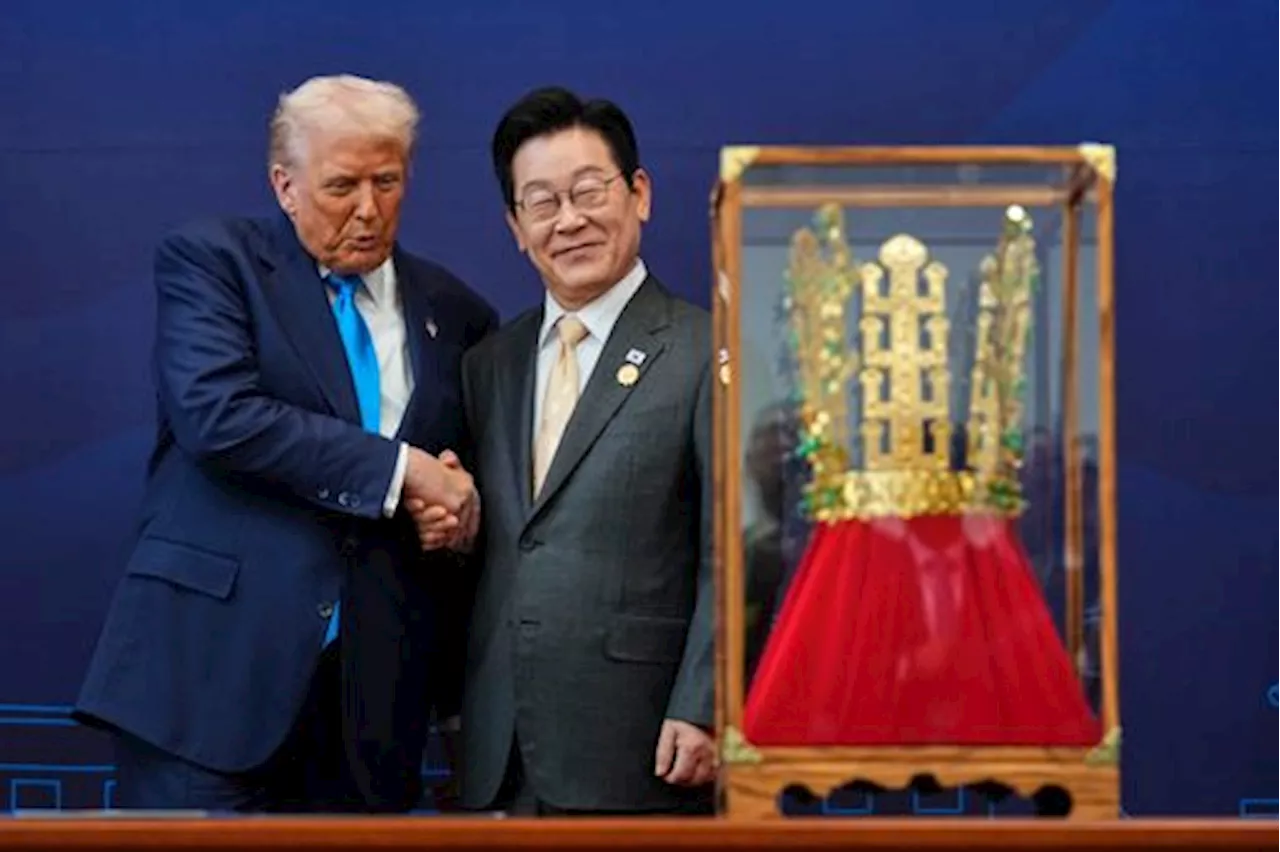
In his statement, Trump emphasized the importance of trade agreements for the United States. He expressed disappointment that South Korea’s National Assembly had not ratified the deal reached with South Korean President Lee Jae-myung on July 30, 2025. Trump stated, “Our Trade Deals are very important to America. In each of these Deals, we have acted swiftly to reduce our TARIFFS in line with the Transaction agreed to. We, of course, expect our Trading Partners to do the same.”
The stalled agreement was finalized during Trump’s visit to South Korea on October 29, 2025. It included commitments for investment from South Korea and tariff reductions from the United States. Under the original terms, Washington would have maintained tariffs of up to 15% on various South Korean products, including vehicles and pharmaceuticals. This agreement was intended to decrease the prior 25% tariff on South Korean cars, a significant sector for both economies.
Trump’s latest move could have a profound impact on the South Korean economy. The auto industry alone represents approximately 27% of South Korea’s exports to the United States, with nearly half of the country’s car exports directed to the US market. Increasing tariffs to 25% would not only affect South Korean manufacturers but also place them at a competitive disadvantage compared to countries like Japan and members of the European Union, which have secured lower tariffs of 15%.
The repercussions of this tariff hike are expected to be felt across various sectors. In addition to the auto industry, other sectors affected include lumber and pharmaceuticals, all of which are crucial to South Korean exports.
As tensions rise over trade relations, it remains to be seen how South Korea will respond to the tariff increase and whether the legislature will take action to approve the stalled trade deal. The outcome could have lasting implications for economic relations between the two nations.